Is Discord Down? Check Status and Local Issues
Check Discord's official component status, compare independent signals, isolate app, API, voice, regional, and local-network issues, and subscribe to incidents.

Prometheus Monitoring: Strengths, Gaps, and Setup
Understand Prometheus metrics, labels, PromQL and alerting, plus its outside-in, event-detail and pipeline blind spots and how to cover them.
Error Monitoring vs Uptime Monitoring: Differences
Compare exception tracking with outside-in uptime checks, see which failures each misses, and combine both without duplicating noisy alerts.
Log Monitoring: What Logs Catch, Miss, and Alert On
Build structured log monitoring with stable fields, rate-based alerts, correlation IDs and pipeline health while covering outages logs cannot observe.
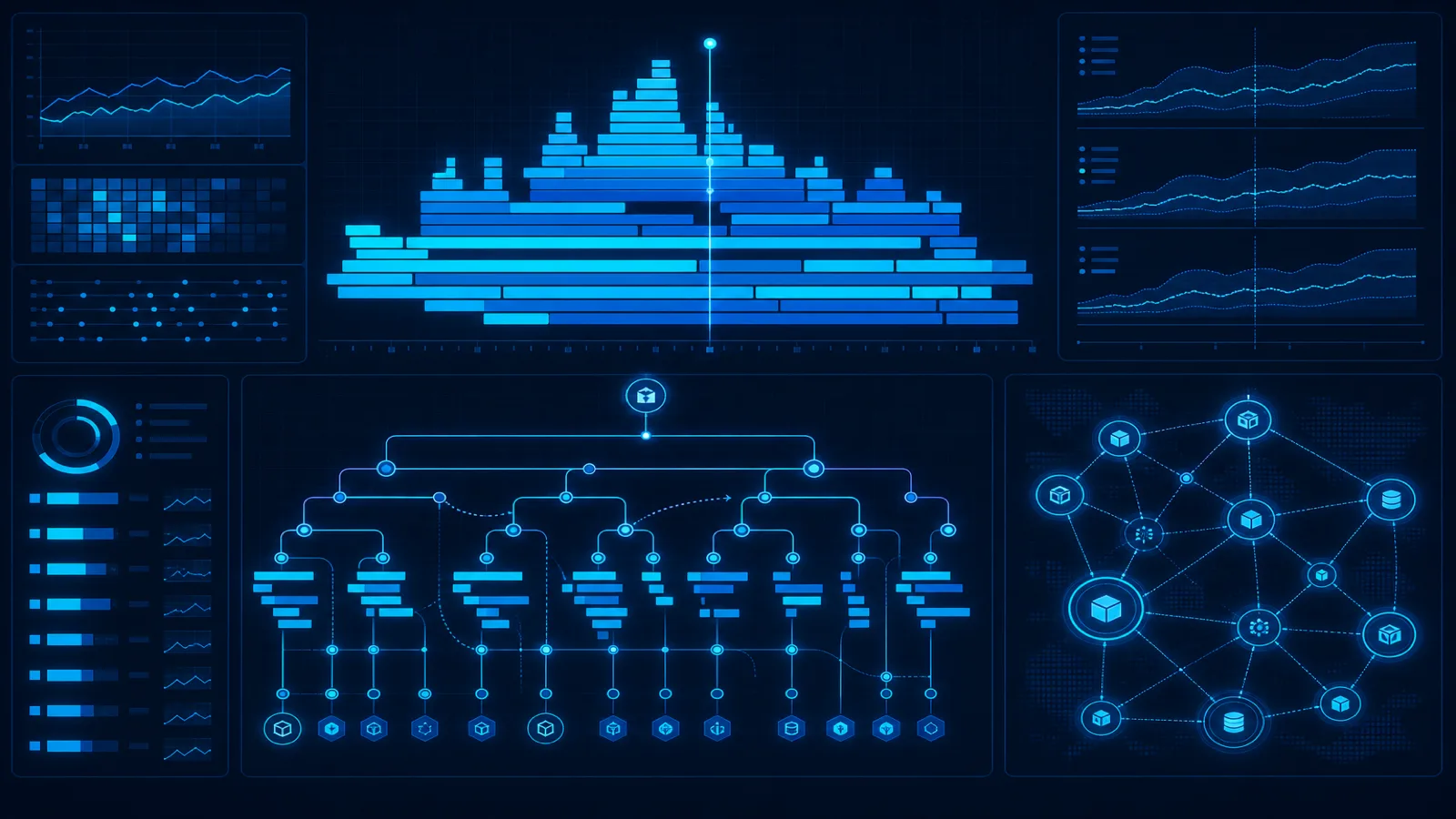
What Is APM? Application Performance Monitoring Guide
Learn how APM uses traces, spans, service maps, errors and latency to diagnose application performance, and how it differs from uptime monitoring.

Connection Refused vs Connection Timed Out vs Reset (Fix Guide)
Fix connection refused (TCP RST), connection timed out, and connection reset errors. Step-by-step diagnostic checklist to test ports, firewalls, and servers.

Packet Loss Monitoring: Causes, Detection, and Fixes
What packet loss is, what causes it, how to monitor and measure it, what counts as acceptable, and how to diagnose and fix it before users notice.
Best Free Uptime Monitoring Tools 2026 Compared
Free uptime tools compared (Aug 2026): monitors, check interval, status pages, alerts, and what you lose at the free-plan ceiling.
Synthetic Monitoring vs Real User Monitoring (RUM)
Compare scheduled synthetic tests with real-user monitoring, understand coverage, latency and privacy tradeoffs, and decide when to deploy one or both.

Website Down After the Checker: DNS, SSL, Host
After the website down checker confirms a real outage, isolate DNS, TLS, hosting, or a local failure and fix the failing layer.

How to Evaluate Vendor SLAs, Uptime Guarantees, and Support Terms
Evaluate vendor uptime and support SLAs with a practical scorecard for definitions, exclusions, credits, claim evidence, response targets, and exit rights.
How to Create a Website Status Report: Template and Metrics
Create a weekly or monthly website status report with uptime, downtime, incidents, MTTR, latency, SLA status, trends, and a copy-ready template.

AWS vs Azure vs Google Cloud SLAs: Uptime and Service Credits Compared
Compare AWS, Azure, and Google Cloud uptime SLAs, redundancy requirements, exclusions, service credits, claims, and composite availability with proof.
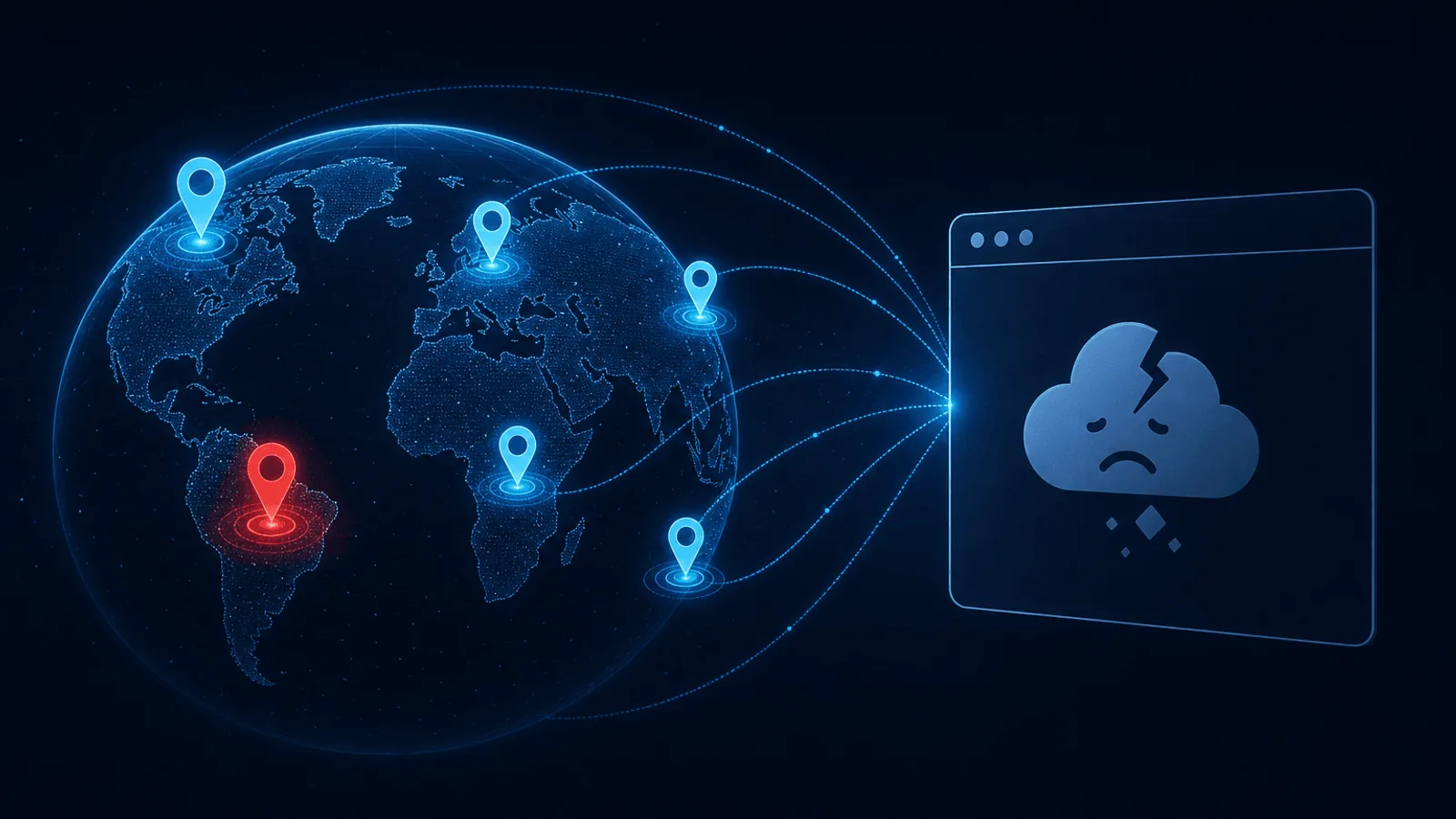
Is My Website Down? A 60-Second Outside Check
Run a 60-second outside check to separate a real, regional, or local website outage using another network, DNS, HTTP headers, and external probes.

Uptime Percentage Calculator: Allowed Downtime by SLA
Convert 99% through 99.999% uptime into allowed downtime per day, week, 30-day month, quarter, and year, with formulas for any custom target.

Response Body Validation: Detect False 200 OK
Validate required HTML, JSON fields, schemas and negative error markers so status-only monitors catch false-green pages, APIs and login redirects.
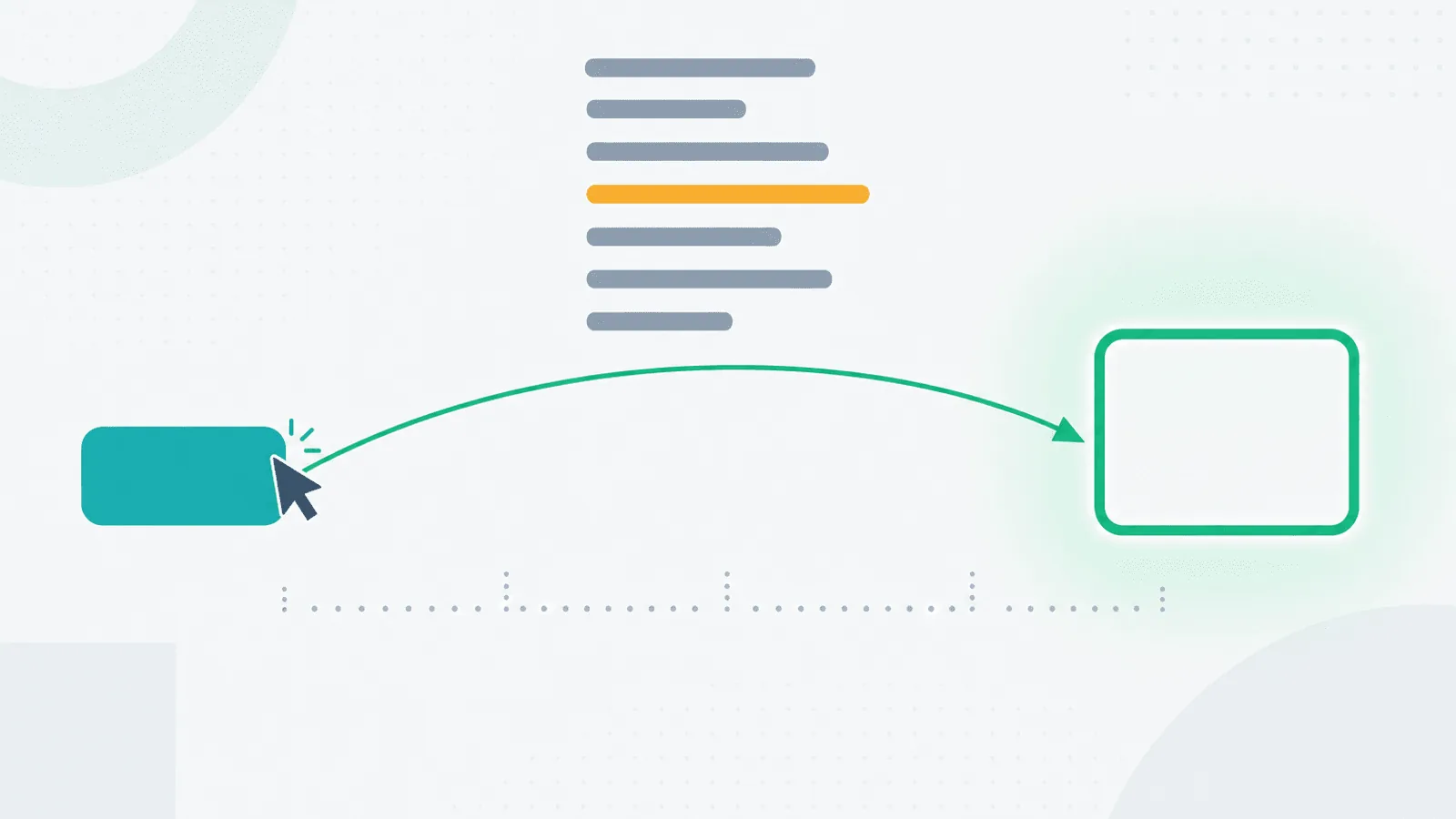
INP Monitoring: Interaction to Next Paint at p75
Measure Interaction to Next Paint in the field at p75, attribute slow interactions, reproduce them in the lab, and monitor Core Web Vitals regressions.
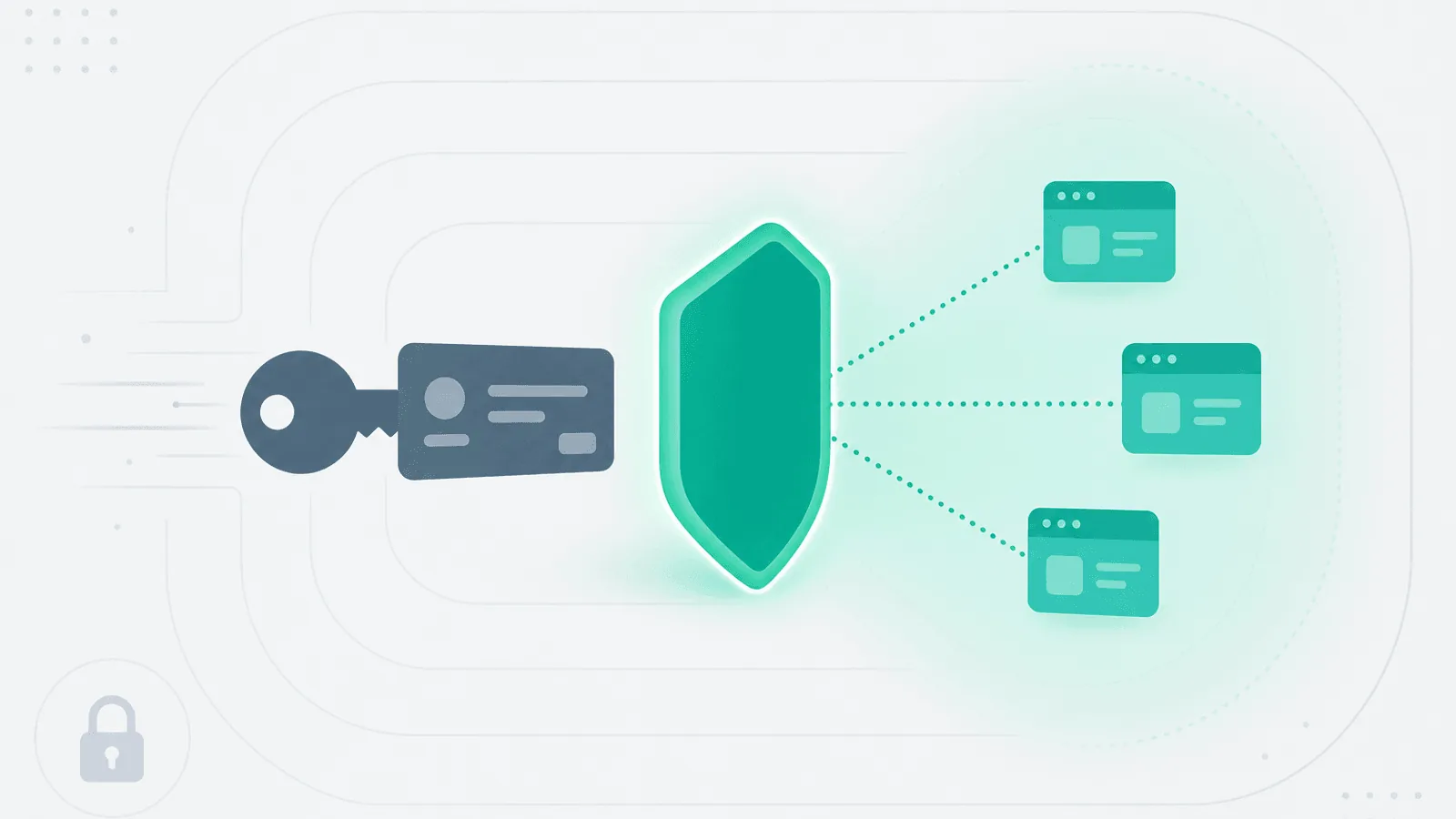
Identity Provider Monitoring: Auth0, Okta, and Clerk
Monitor Auth0, Okta, and Clerk with login success, OIDC discovery, JWKS rotation, token latency, per-connection health, and synthetic browser flows.
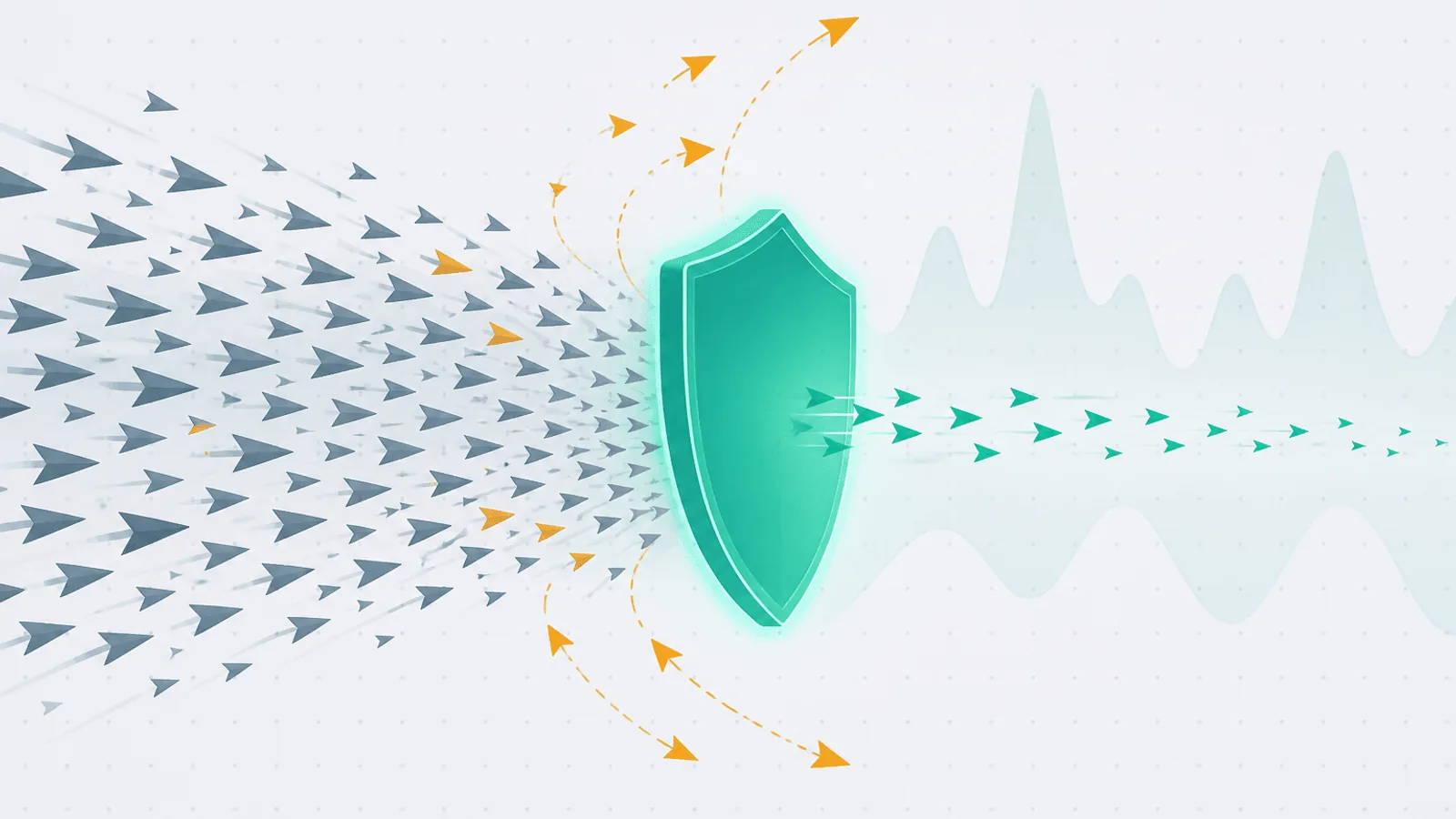
DDoS Monitoring: Detect Attacks, Protect the Origin, and Verify Recovery
Detect DDoS traffic, distinguish attacks from legitimate spikes, monitor edge and origin pressure, and verify mitigation without false alerts in production.
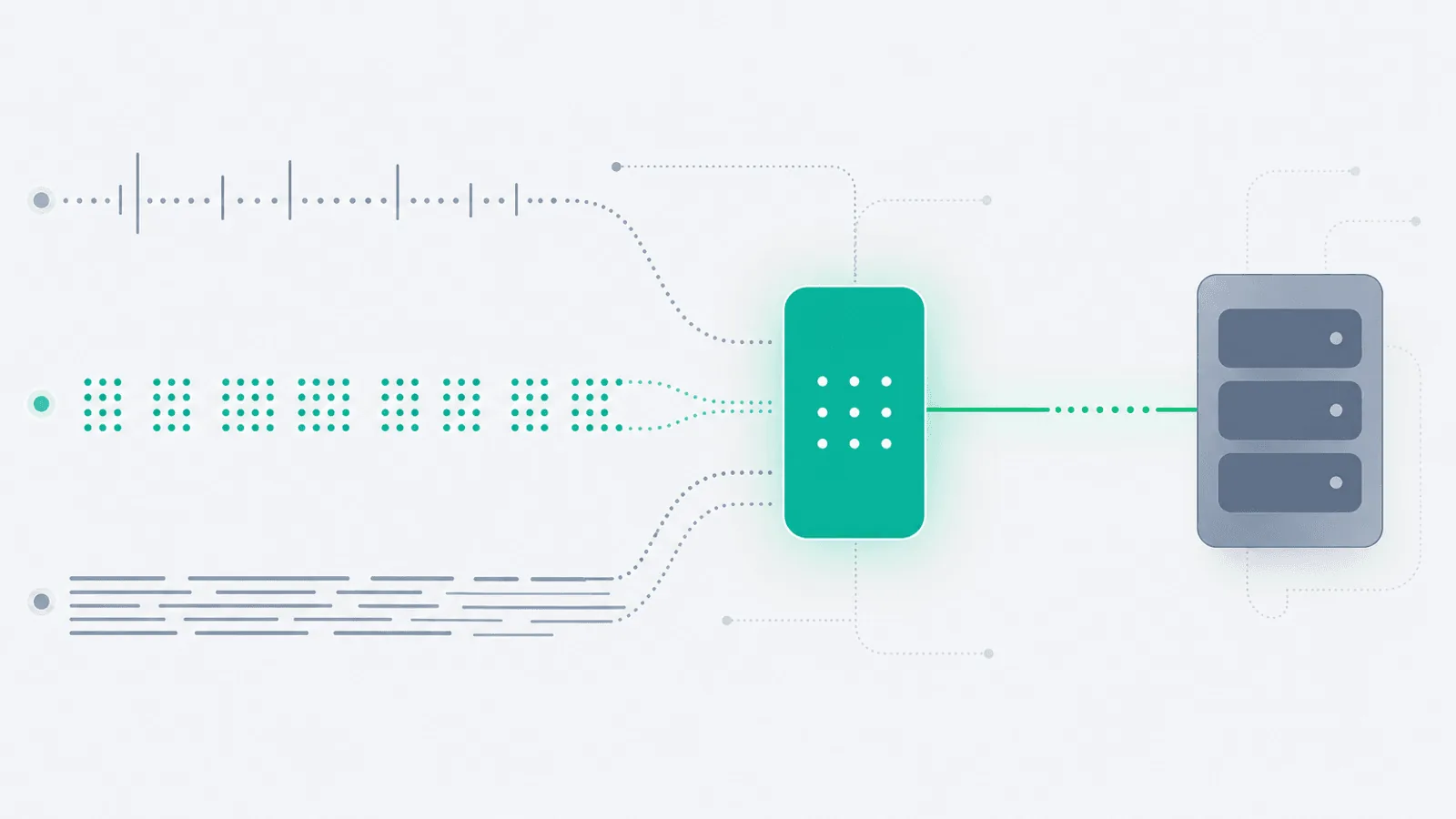
OpenTelemetry Monitoring: Traces, Metrics, Logs
Instrument and operate OpenTelemetry traces, metrics and logs with semantic conventions, Collector pipelines, sampling, cardinality control and health checks.
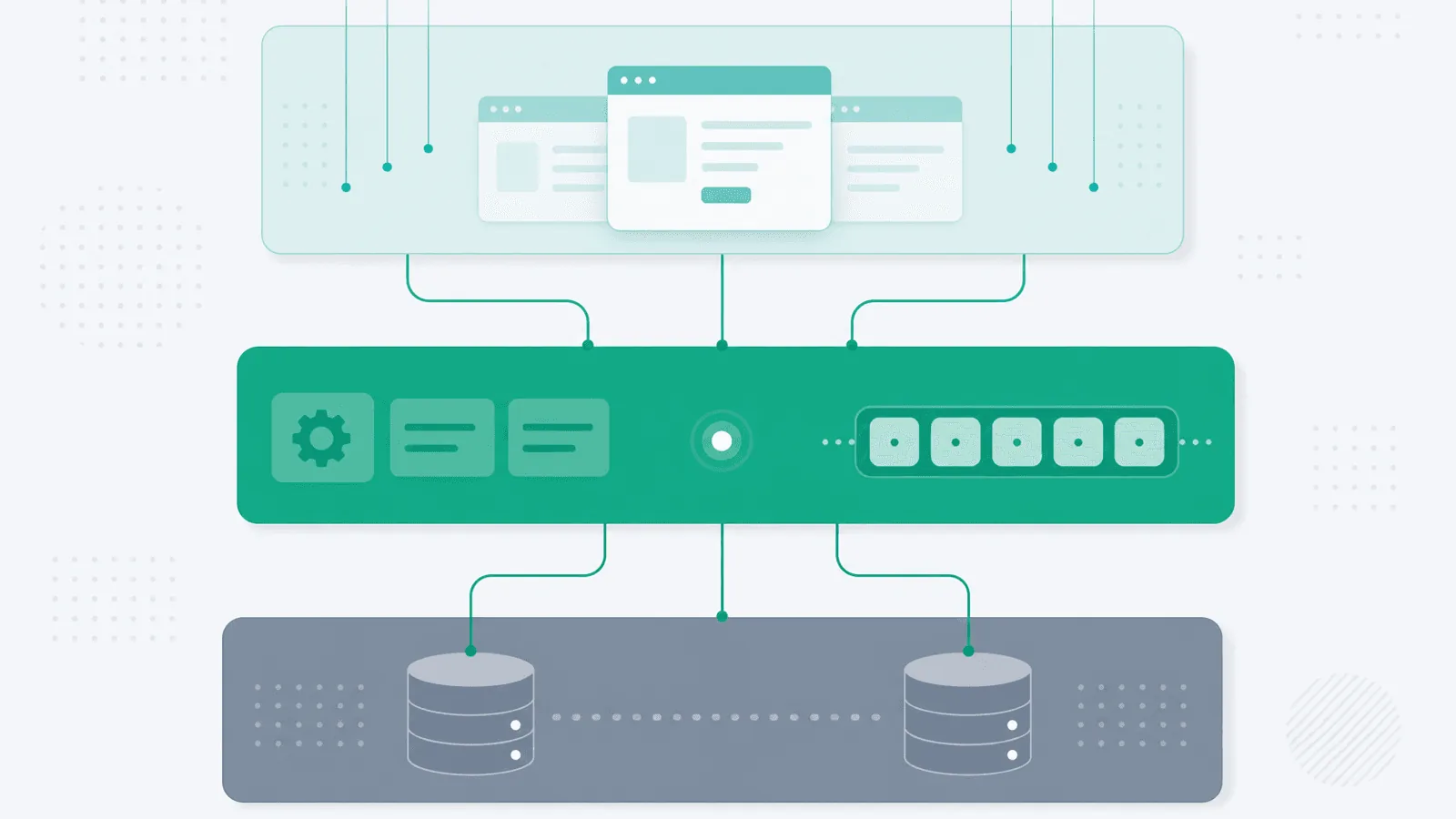
Rails Production Monitoring: Puma, Jobs, Active Record, and Uptime
Monitor Rails production across /up, Puma, Active Record, Sidekiq or Solid Queue, cache, Action Cable, migrations, and releases.
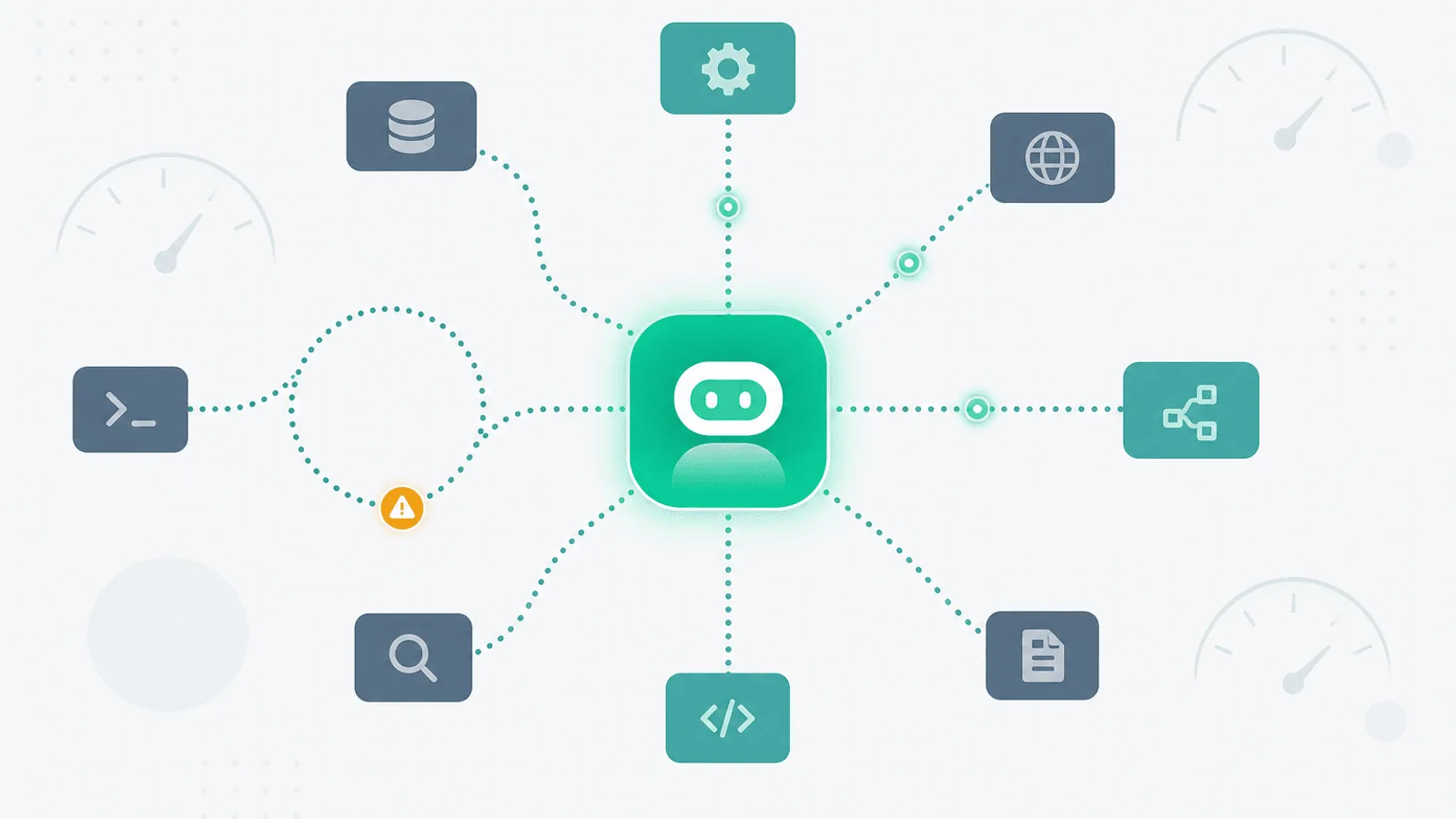
AI Agent Monitoring: Tool Failures, Loops, Latency & Cost
Instrument AI agent runs, tool calls, retries, latency, cost, and task outcomes with trace-level evidence and baseline-driven alerts.
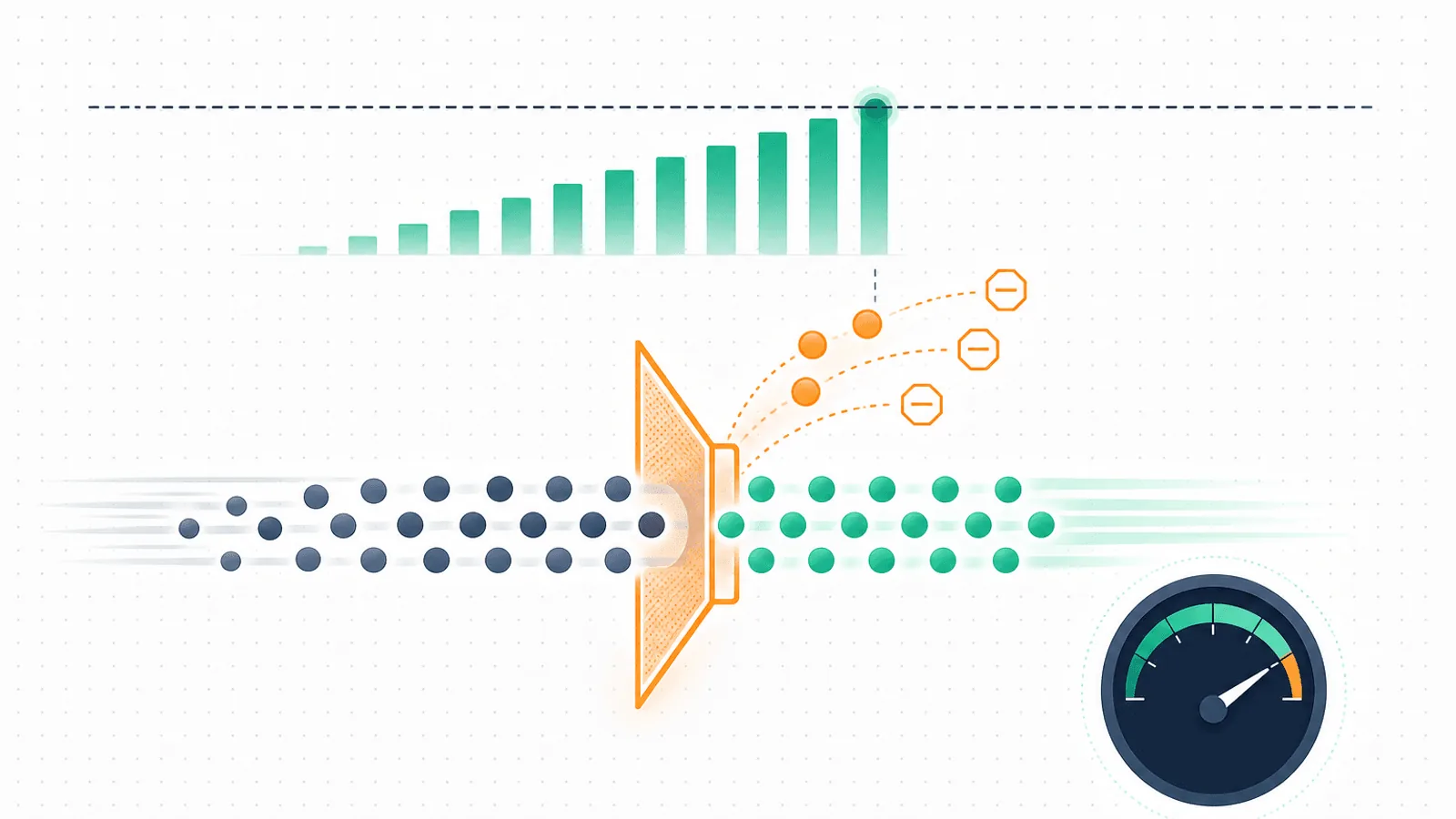
API Rate Limit Monitoring: 429 Errors and Retries
Monitor API quotas and 429 responses, parse Retry-After correctly, separate client bursts from provider throttling, and alert before integrations stall.
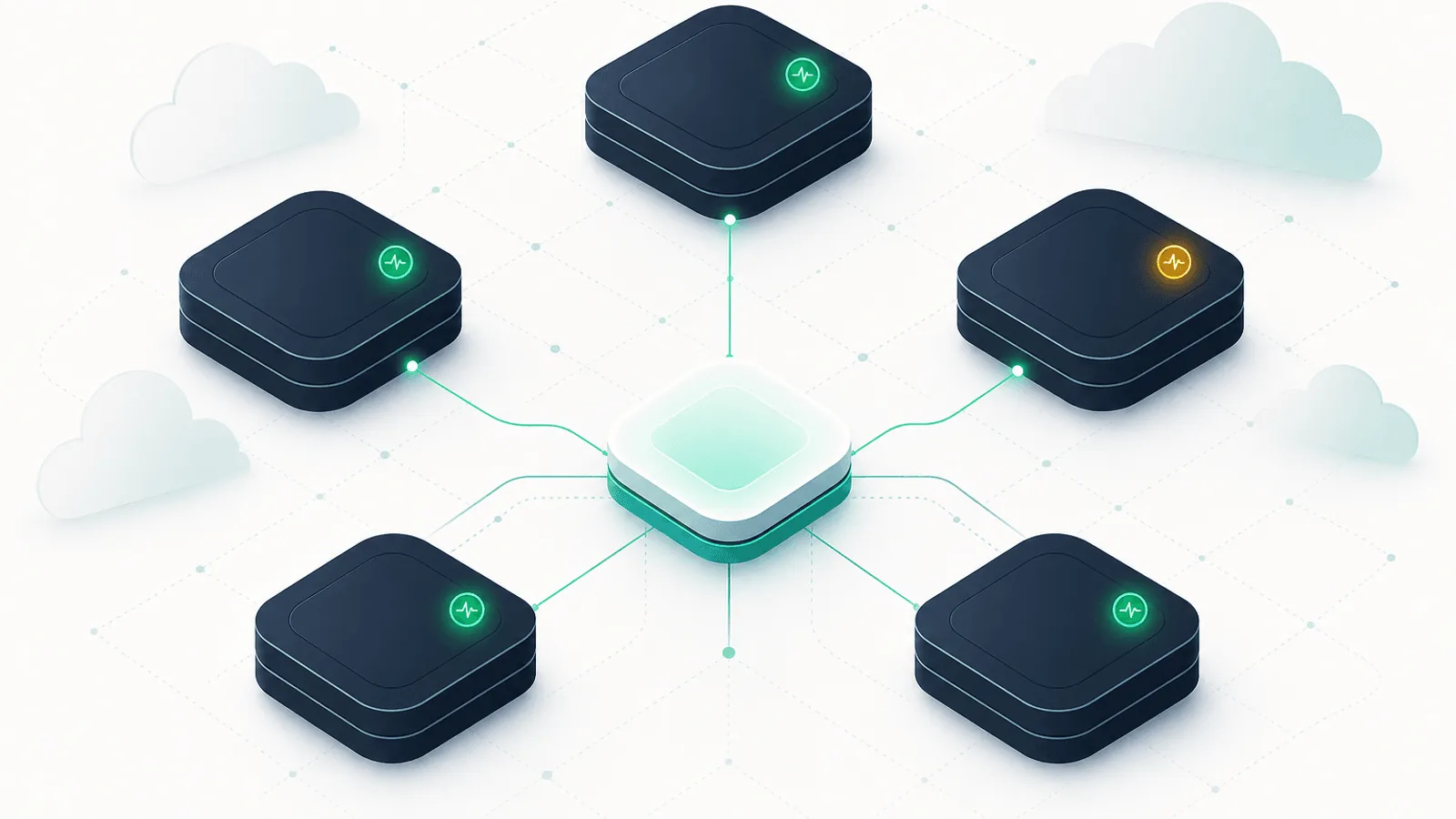
Supabase and Firebase Monitoring: Auth, Data, Functions, and Uptime
Monitor Supabase and Firebase auth, data, realtime, functions, storage, rules, quotas, logs, and app-level canaries.
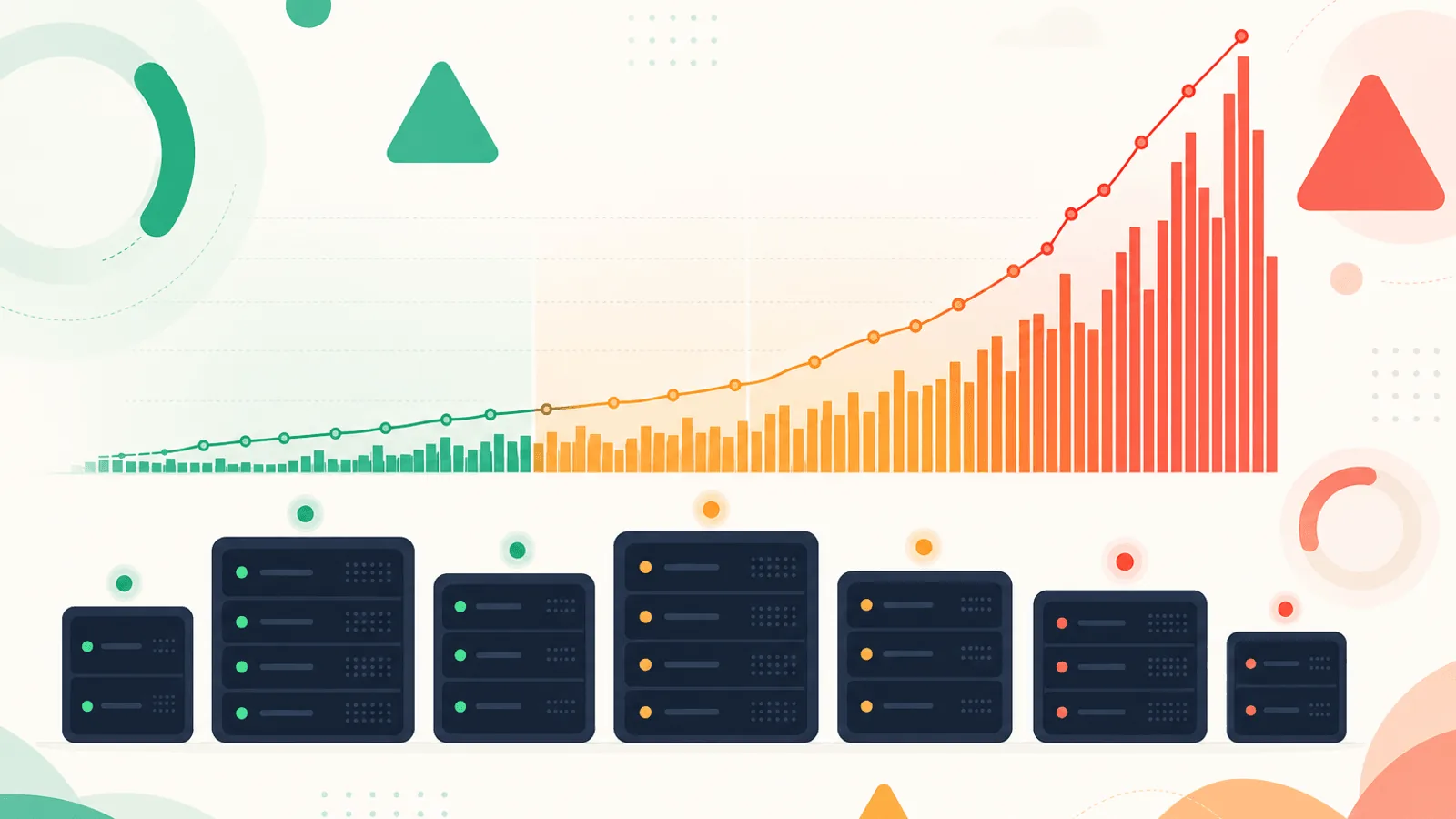
5xx Error Rate Monitoring: Thresholds and Alerting
Monitor 5xx error rates with ratio-based alerts, route and dependency breakdowns, burn-rate context, and an on-call playbook for 500–504 failures.

Vector Database Monitoring: Pinecone, Weaviate, and pgvector
Monitor vector database availability, latency, records, storage, ingestion freshness, backups, recall, and cost across Pinecone, Weaviate, and pgvector.
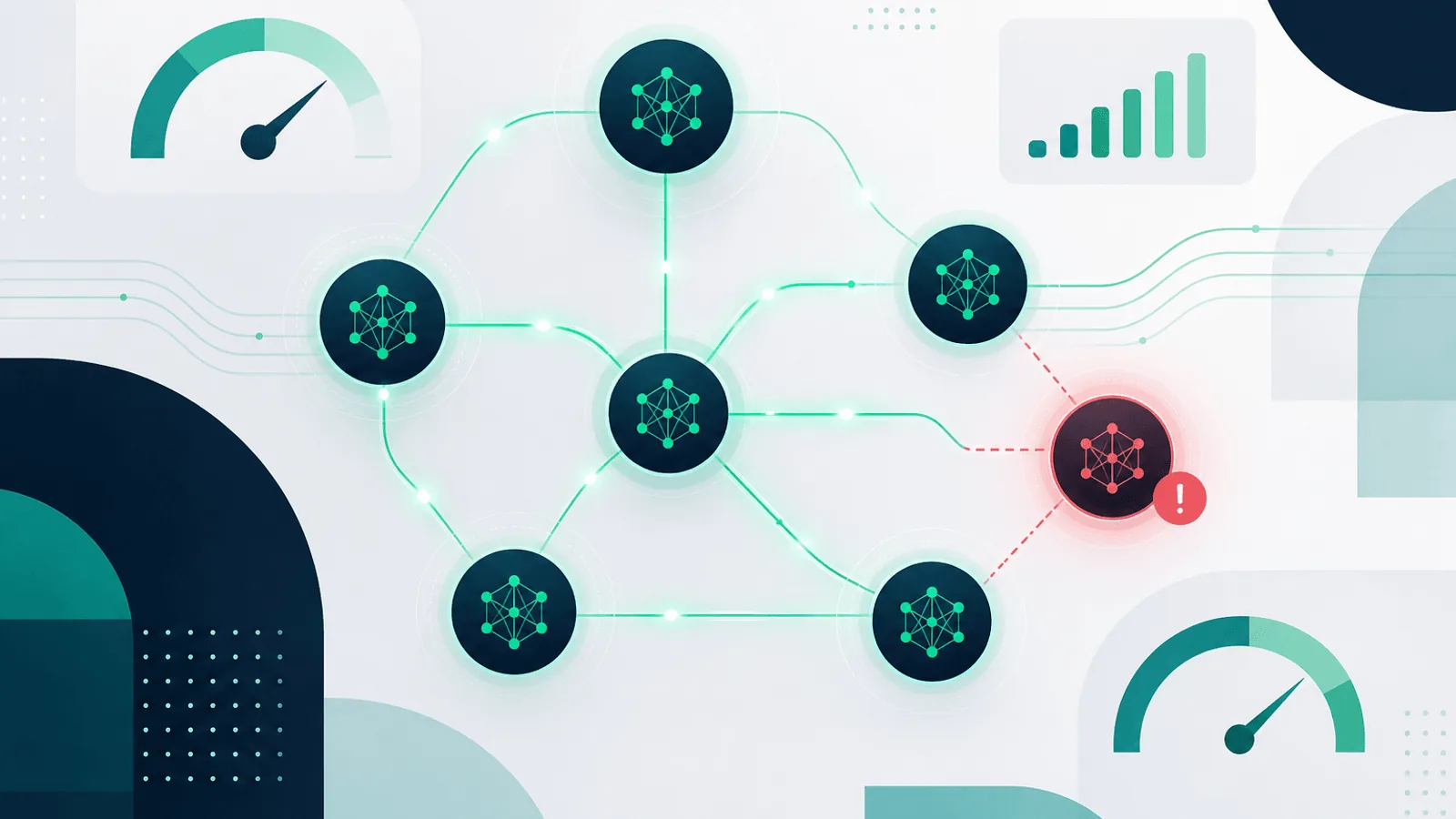
LLM API Monitoring: OpenAI, Anthropic & Gemini Reliability
Monitor LLM APIs with provider-specific canaries, latency and rate-limit telemetry, output validation, deprecation tracking, and tested failover.
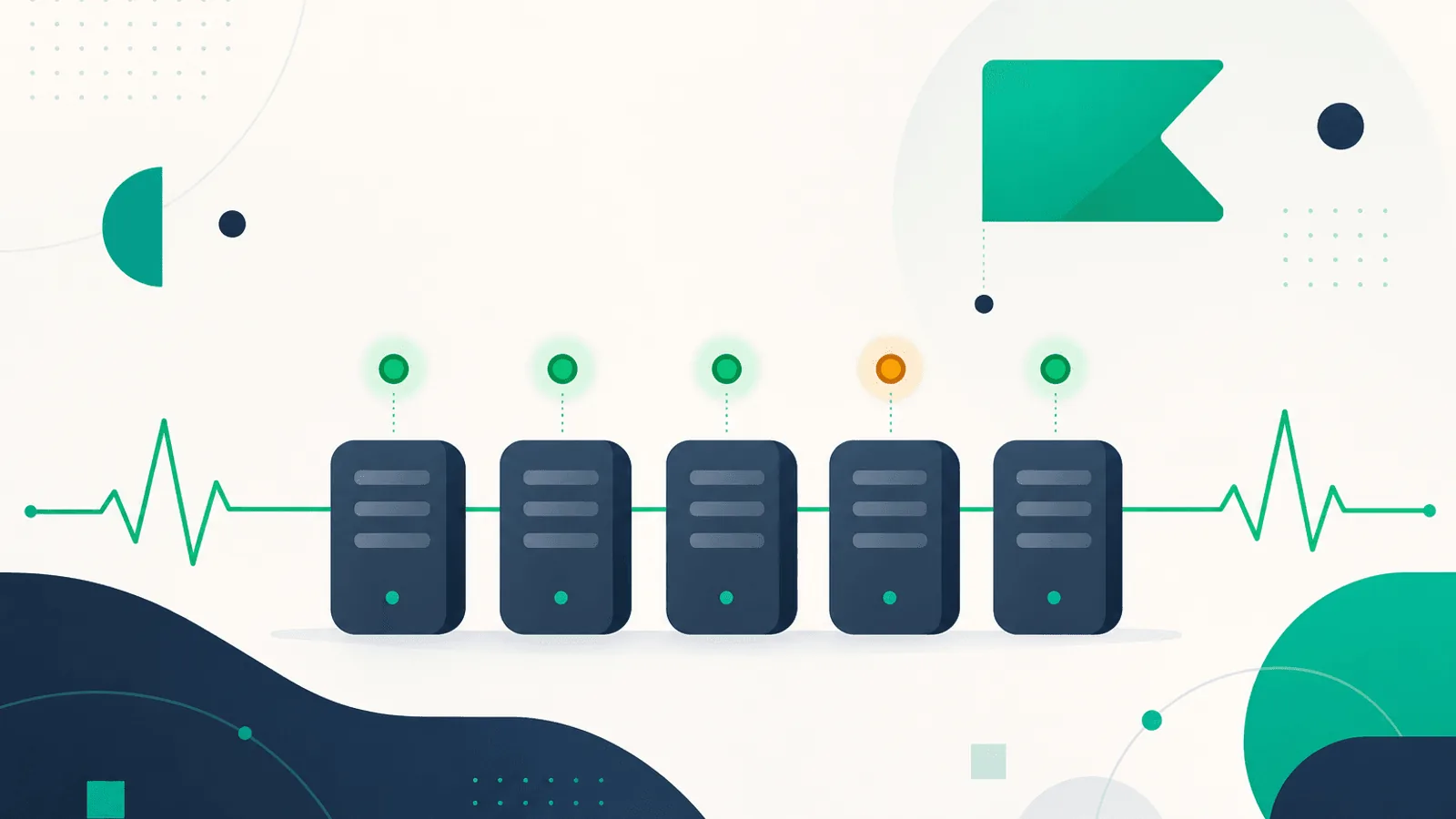
Health Check Endpoint Design: /healthz vs /livez vs /readyz
Design reliable /healthz, /livez, and /readyz endpoints. Learn liveness vs readiness, Kubernetes probes, dependency checks, and alerting.
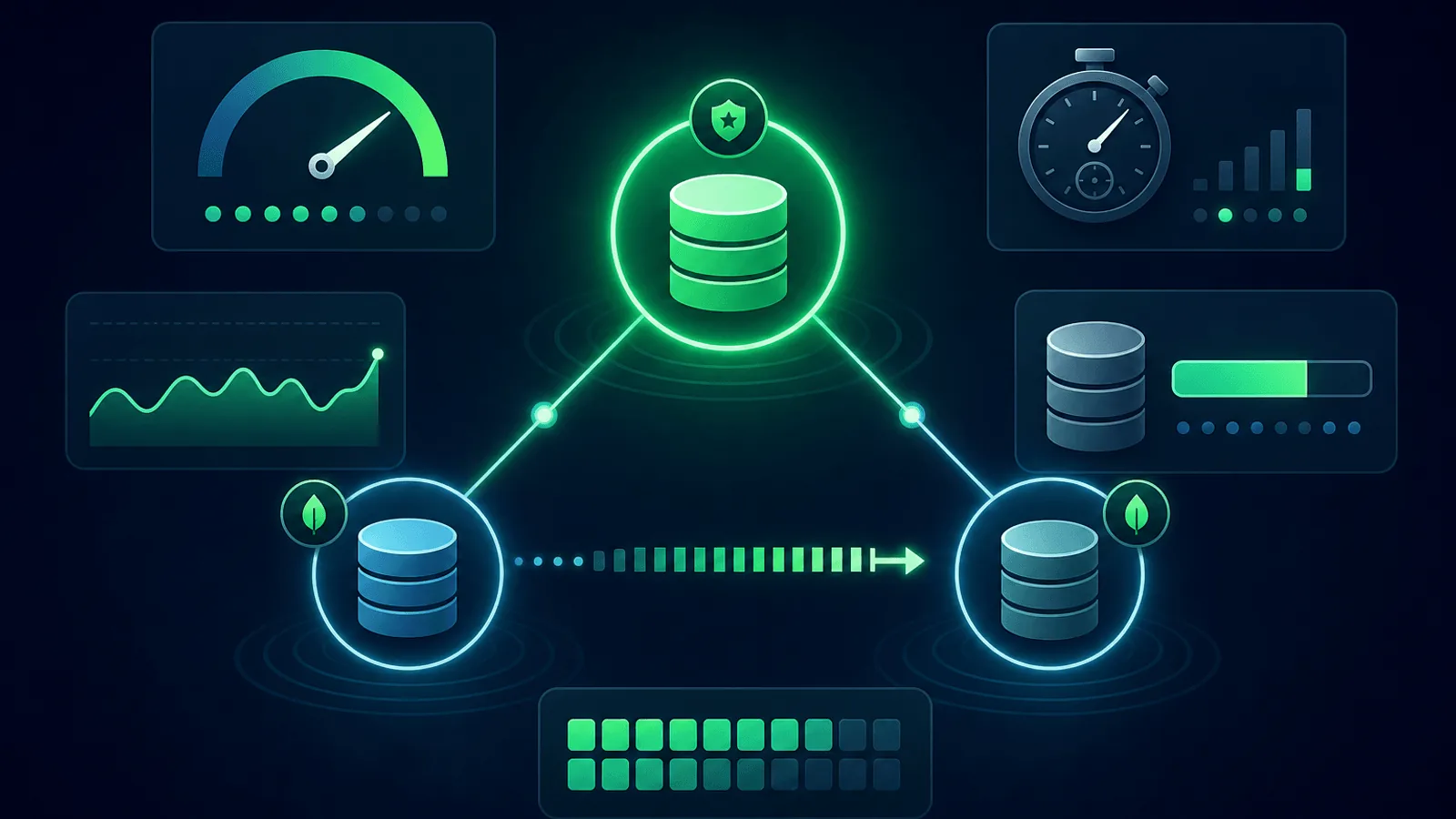
MongoDB Monitoring: Cluster Latency, Replication, and Queries
Monitor MongoDB cluster latency, replica-set state, replication lag, connections, WiredTiger pressure, slow queries, oplog windows, and sharded clusters.
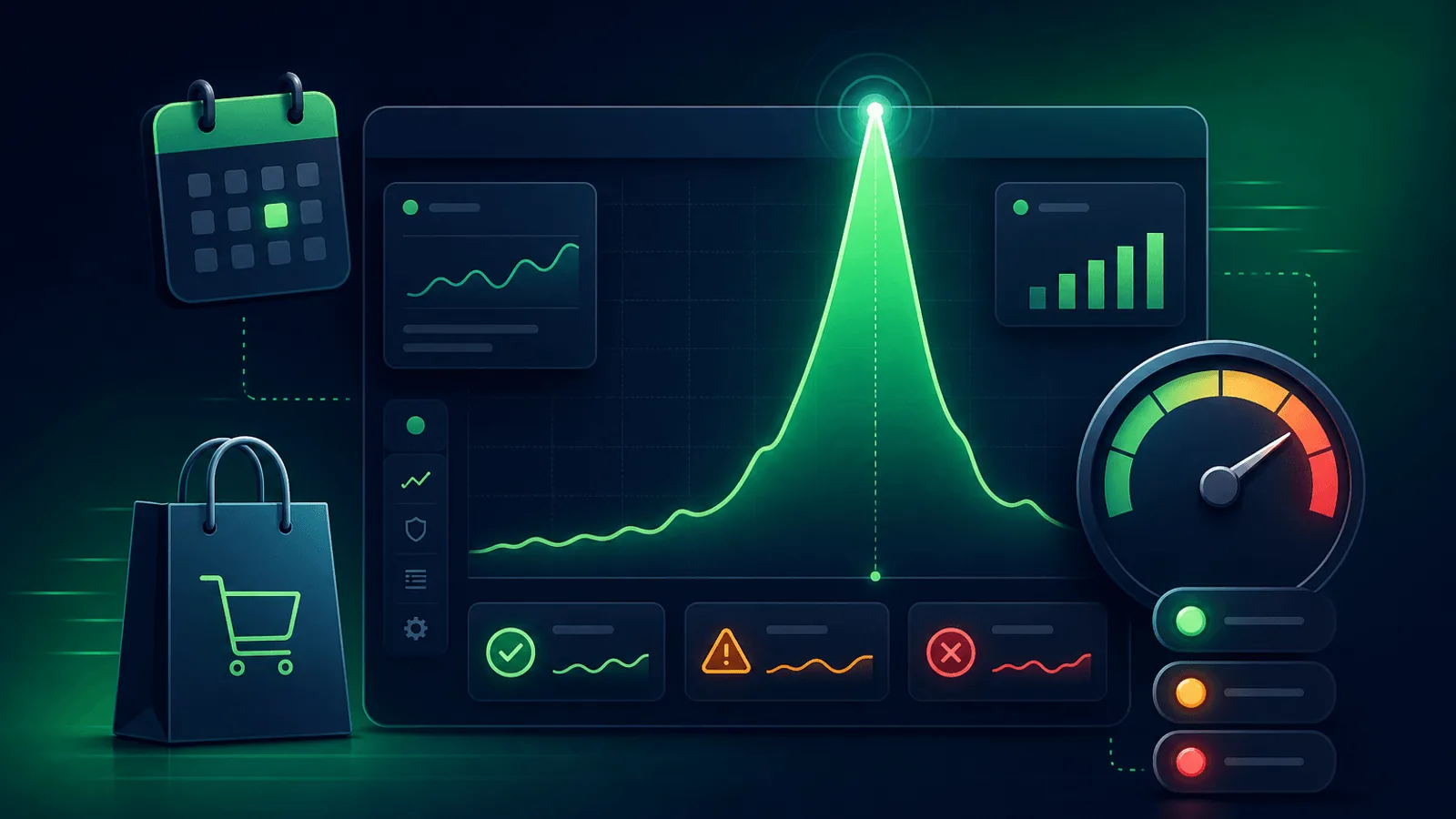
Peak Traffic Monitoring: Black Friday and Launch Playbook
Prepare Black Friday, launches, and flash sales with capacity tests, baselines, critical-journey checks, saturation alerts, war-room roles, and recovery review.
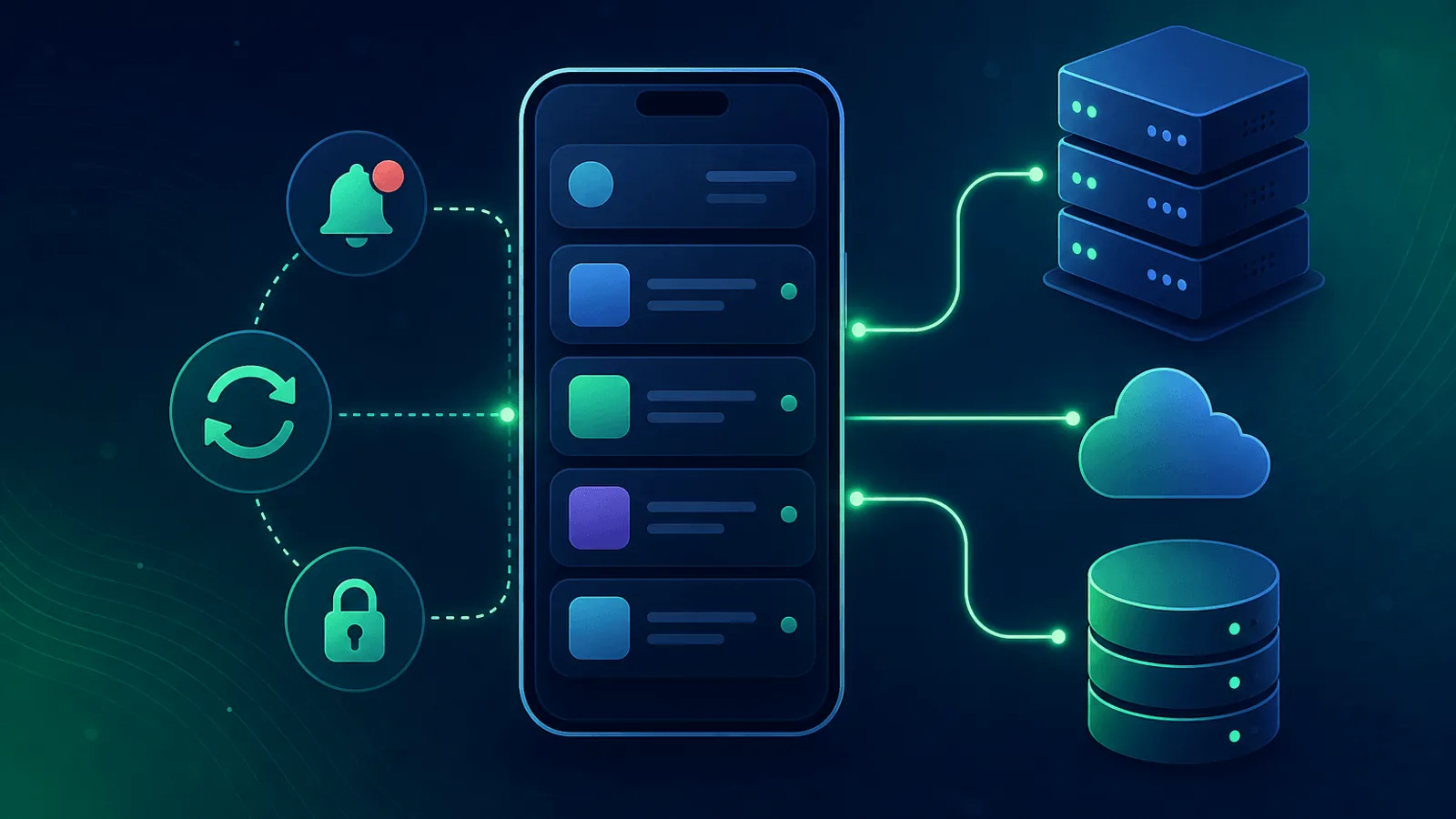
Mobile Backend Monitoring: API, Auth, Sync, Push, and Version Health
Monitor mobile API contracts, auth refresh, configuration, sync, APNs and FCM delivery, media, TLS, regions, and supported app versions.
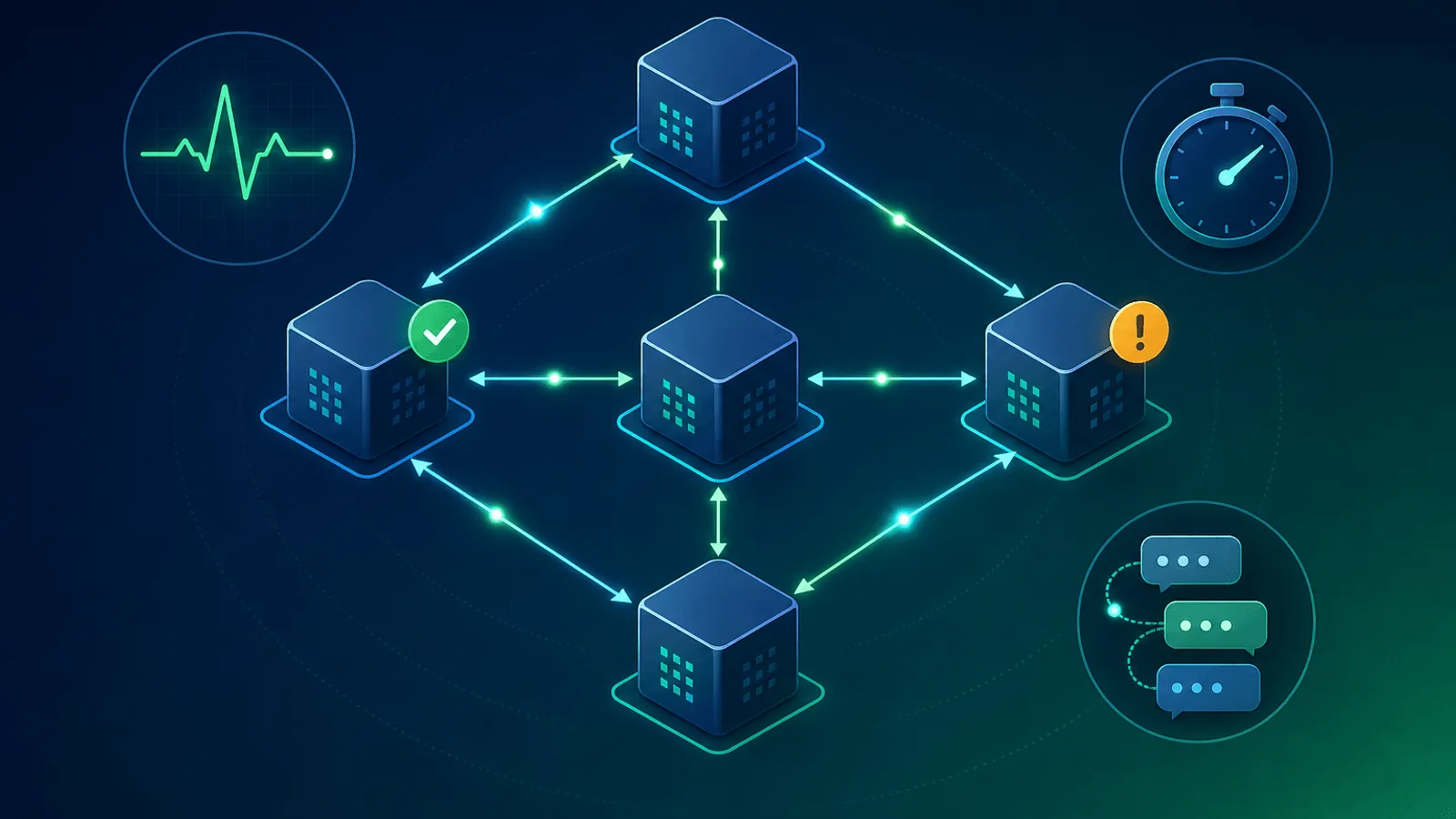
gRPC Monitoring: Health Checks, Status, Latency
Monitor gRPC health, canonical status codes, deadlines, streaming, TLS and per-method latency across microservices and external service boundaries.
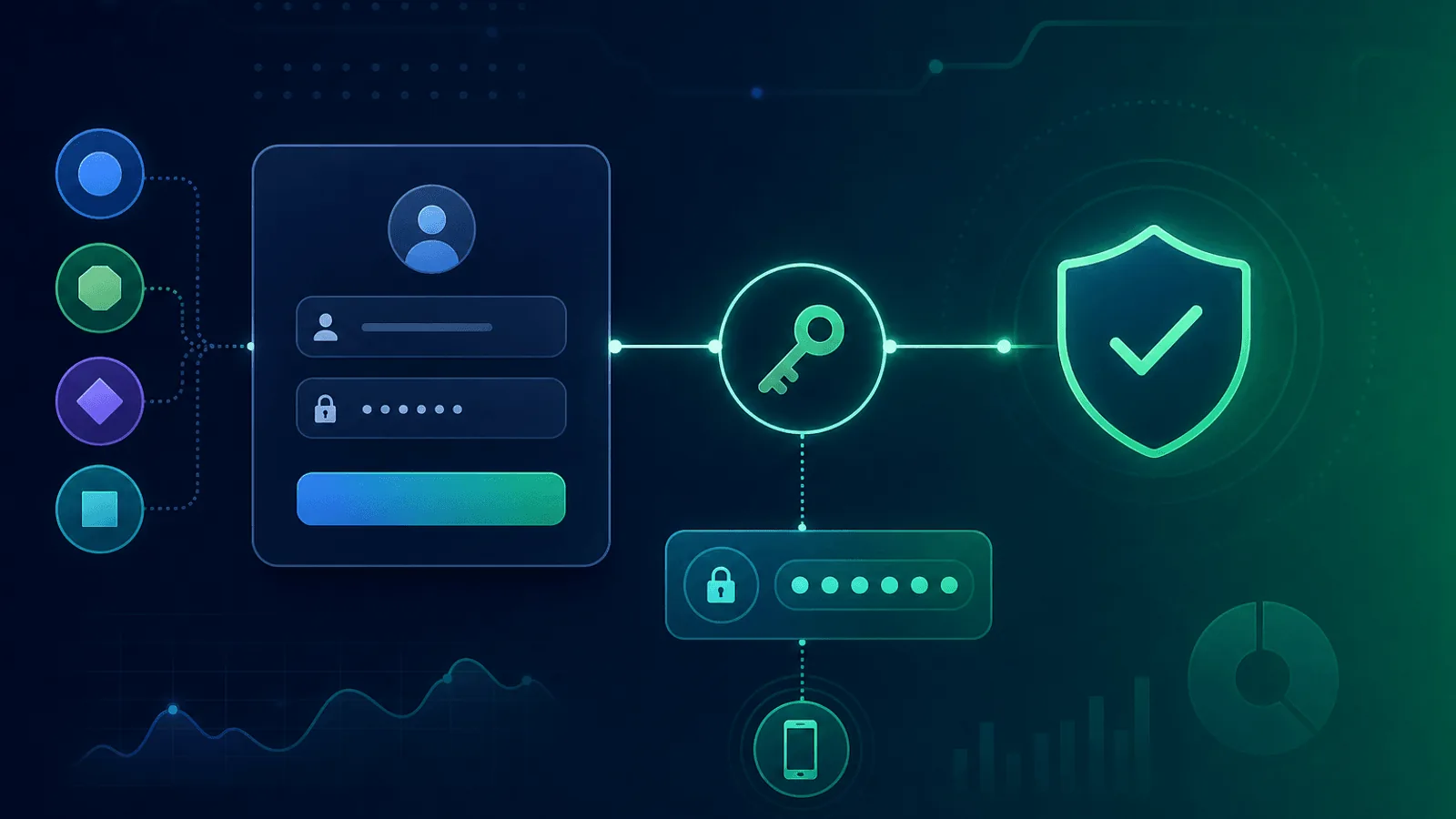
Login and Authentication Monitoring: Test Sign-In End to End
Monitor login end to end across credentials, sessions, OAuth/OIDC, SAML SSO, MFA, signup, and password reset with safe synthetic accounts and clear alerts.
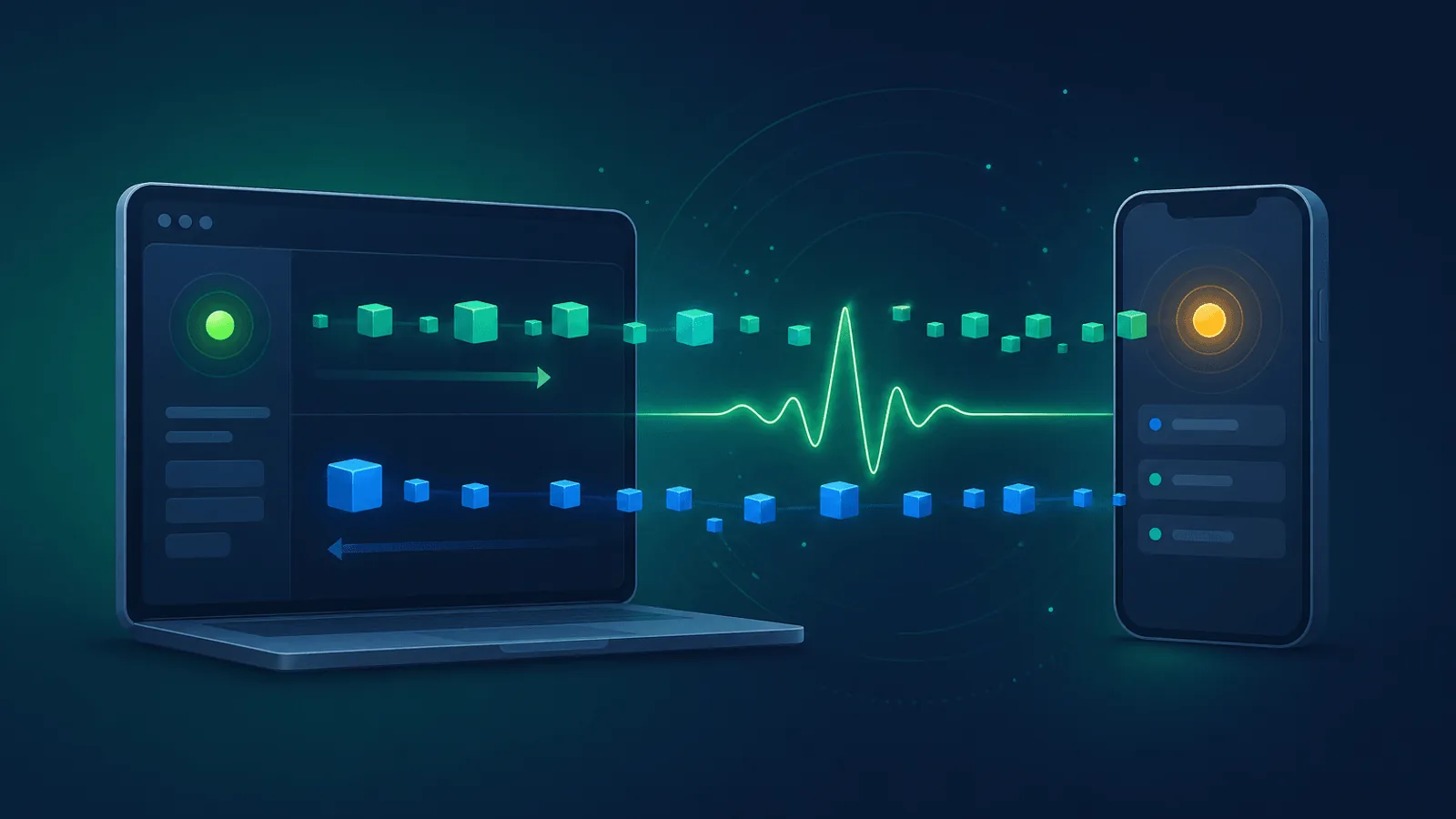
WebSocket Monitoring: Keep Real-Time Features Online
Monitor WebSocket handshakes, authenticated message delivery, latency, close behavior, and reconnects without mistaking HTTP uptime for real-time health.
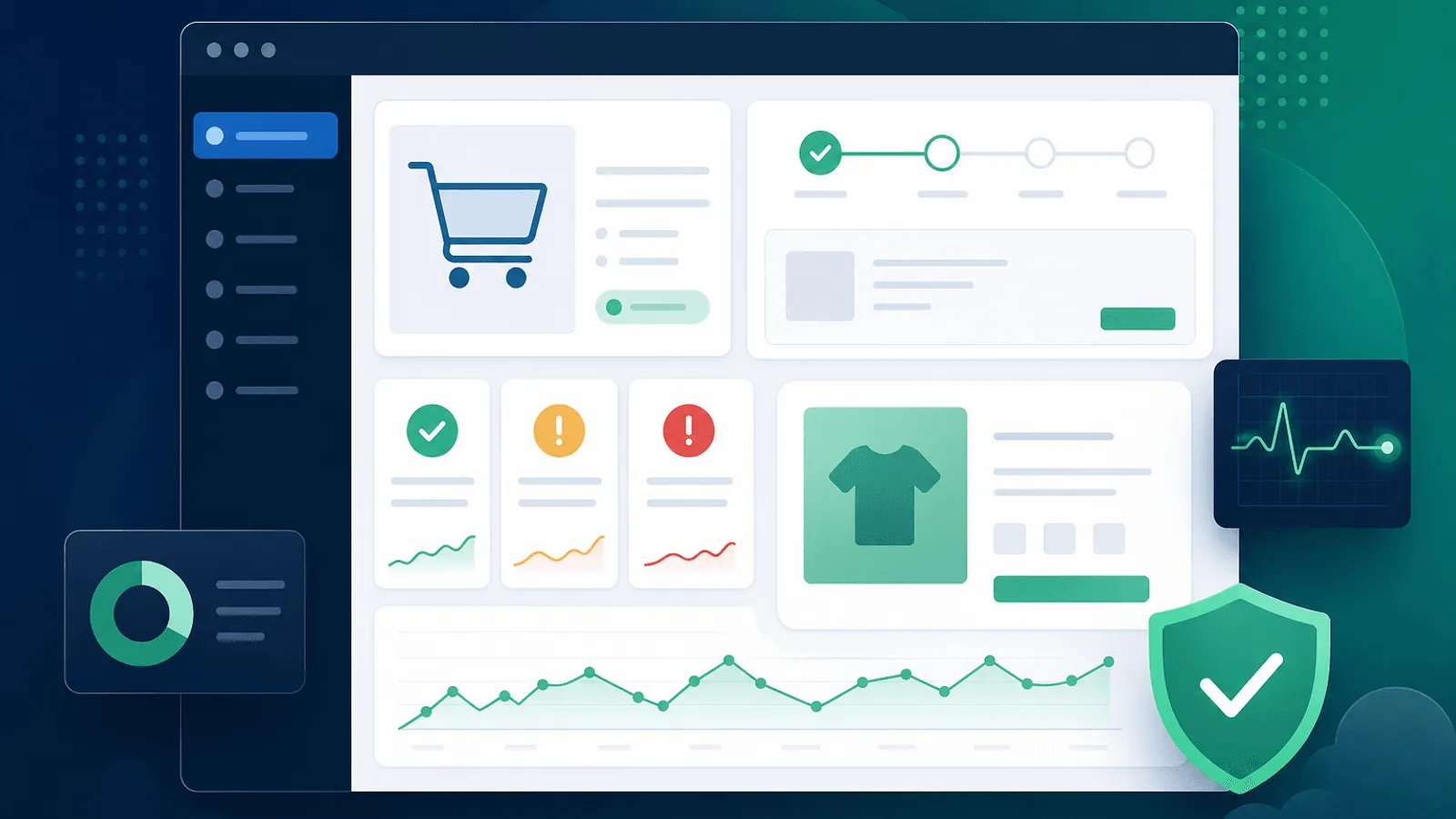
WooCommerce Monitoring: Checkout, Scheduled Actions, and Uptime
Monitor WooCommerce products, cart, checkout, payment webhooks, Scheduled Actions, WordPress, PHP, database, cache, and releases.
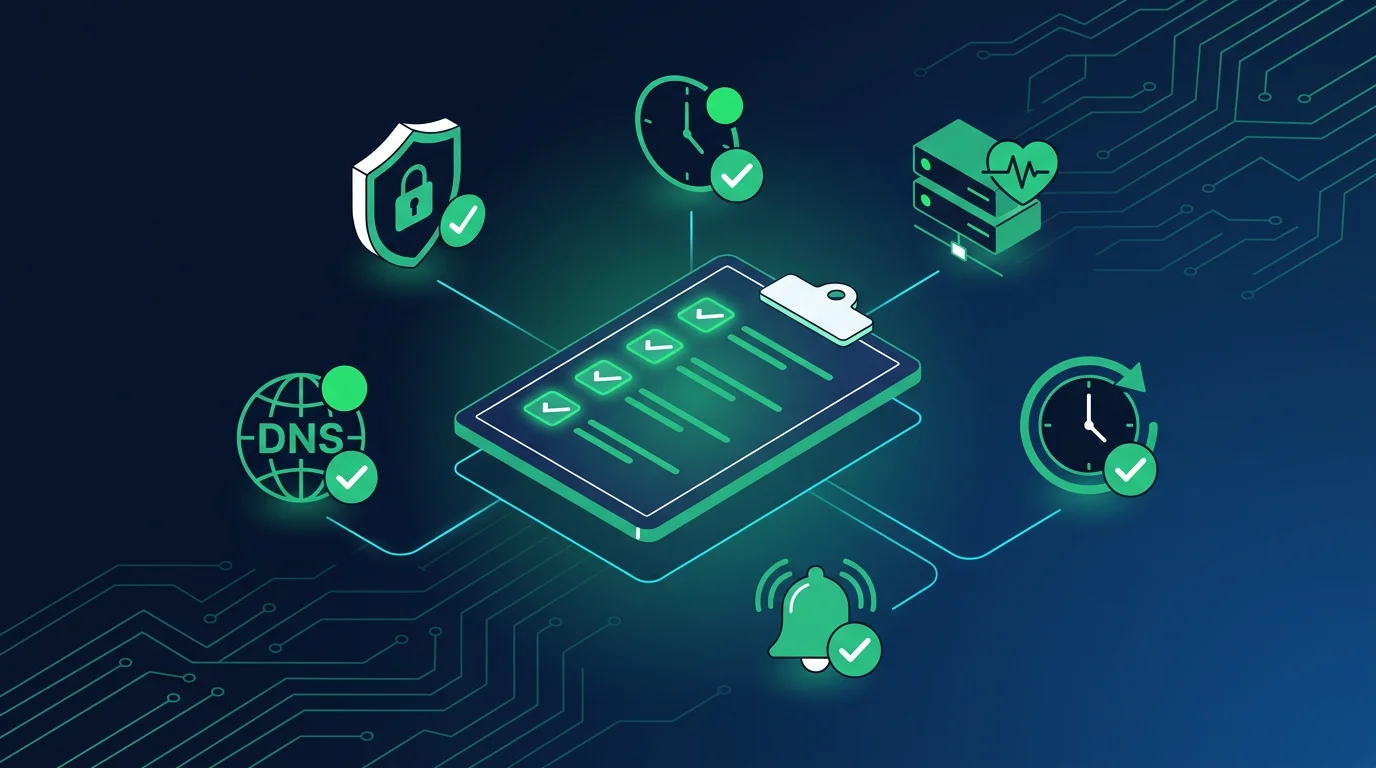
Pre-Outage Website Monitoring Checklist
Use this pre-outage checklist to define critical services, confirm coverage, assign alert owners, test escalation, and prepare incident communication.
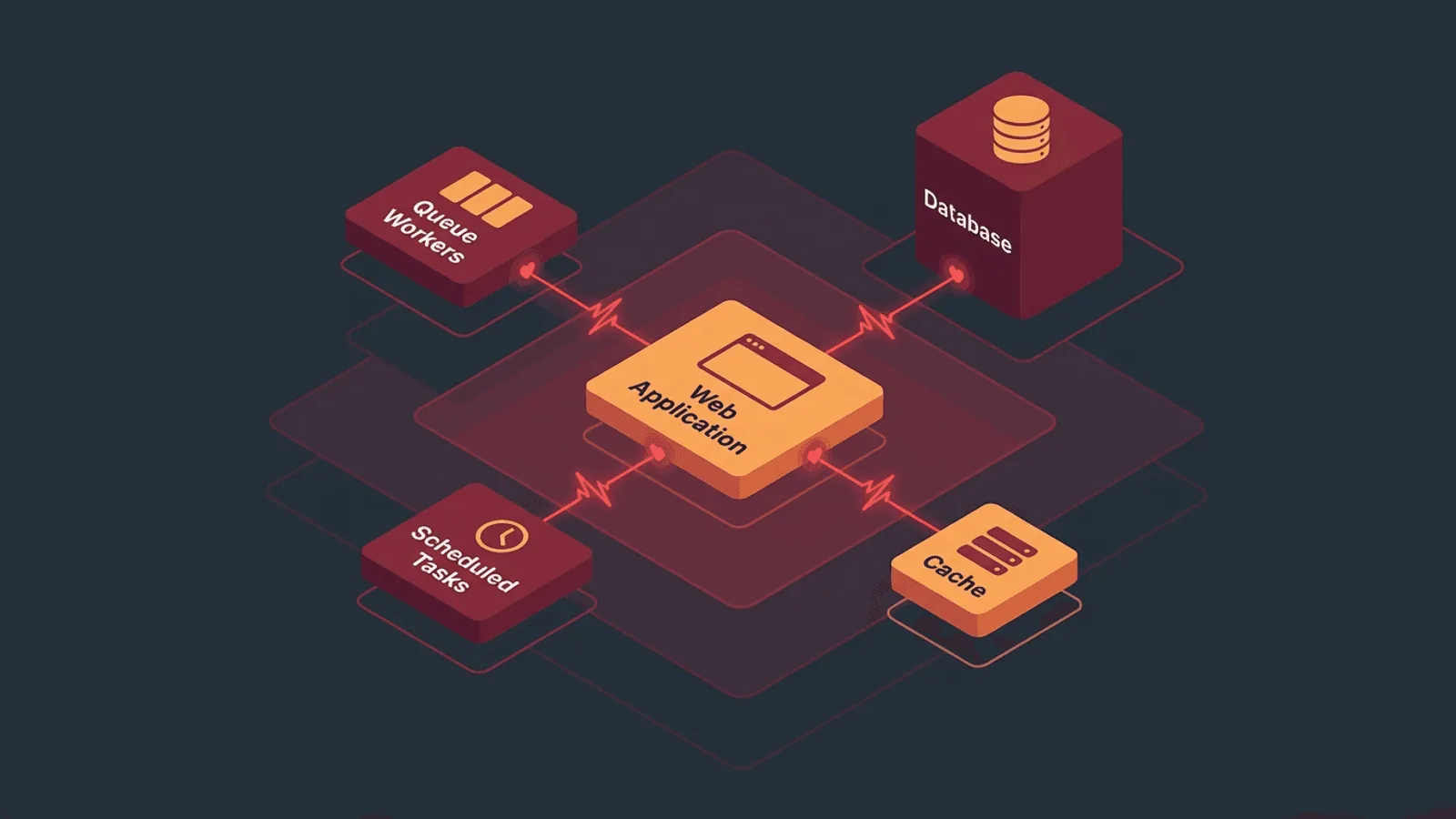
Laravel Production Monitoring: Health, Queues, Scheduler, and Uptime
Monitor Laravel production across /up, dependency readiness, queues, Horizon, scheduler, cache, database, storage, Reverb, and deployments.

Shopify Store Monitoring: Products, Cart, Checkout, and Apps
Monitor a Shopify store's products, cart, checkout handoff, Storefront API, themes, apps, domains, and headless frontend.
Nginx Monitoring: Uptime, Errors, and Performance
Monitor Nginx externally and internally with endpoint checks, upstream status, access/error logs, connection metrics, TLS, DNS, and config validation.
Next.js Production Monitoring: Rendering, Cache, Routes, and Uptime
Monitor Next.js production across static and dynamic rendering, Route Handlers, cache revalidation, middleware, hydration, and deployments.

Website Security Monitoring for Defacement and Malware
Detect suspicious content, scripts, redirects, DNS, and certificate changes—and know when to add CSP, scanning, logs, and EDR to external monitoring.
Website Monitoring for Founders and Product Managers
A plain-language guide to choosing critical checks, setting alert ownership, reading incidents, defining reliability, and working with engineers.
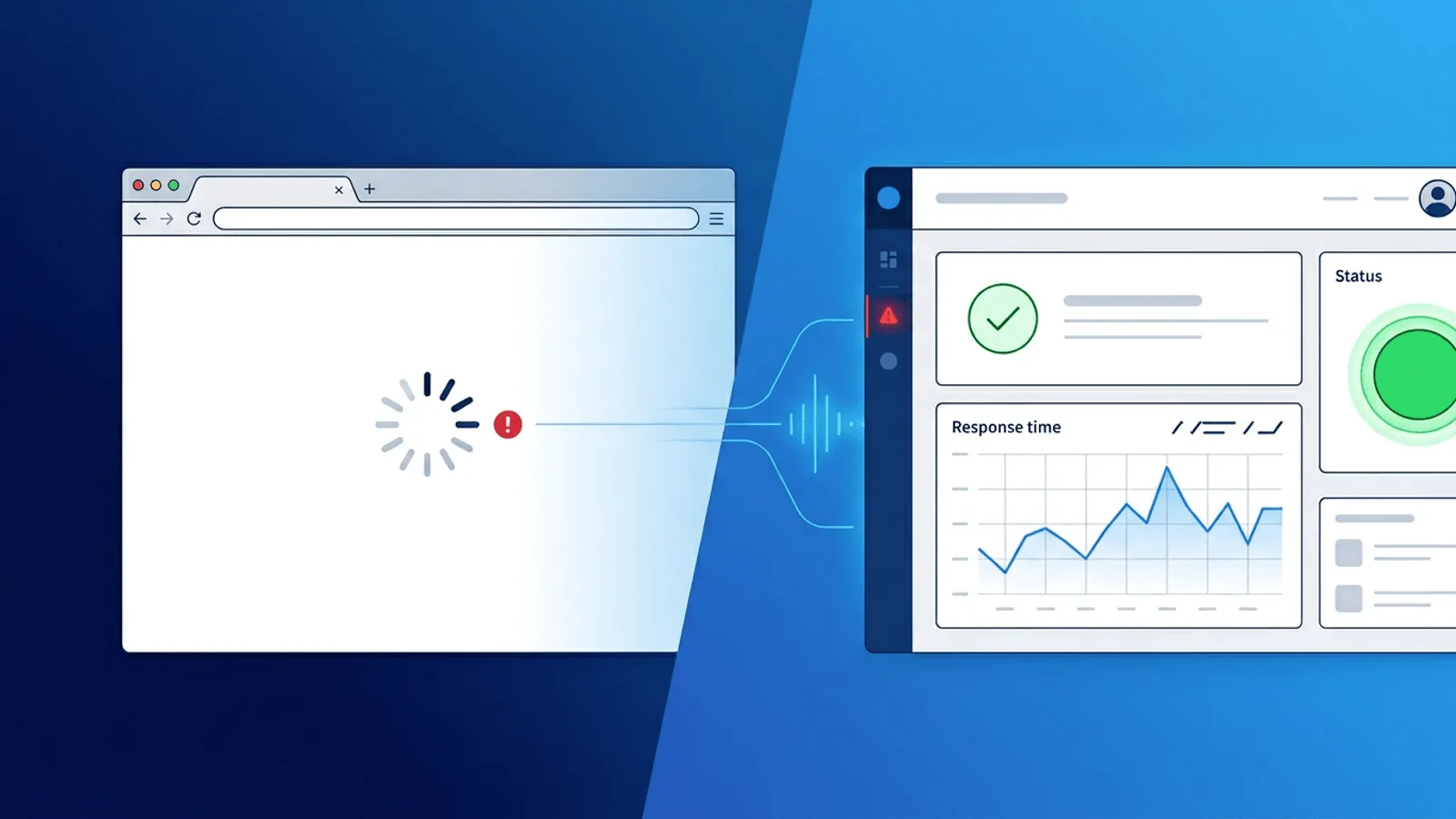
Single-Page Application Monitoring: Catch Blank Screens and Broken Flows
Monitor React, Vue, Angular, and other SPAs with HTTP, API, asset, browser-synthetic, and real-user checks that catch false-green 200 responses in production.
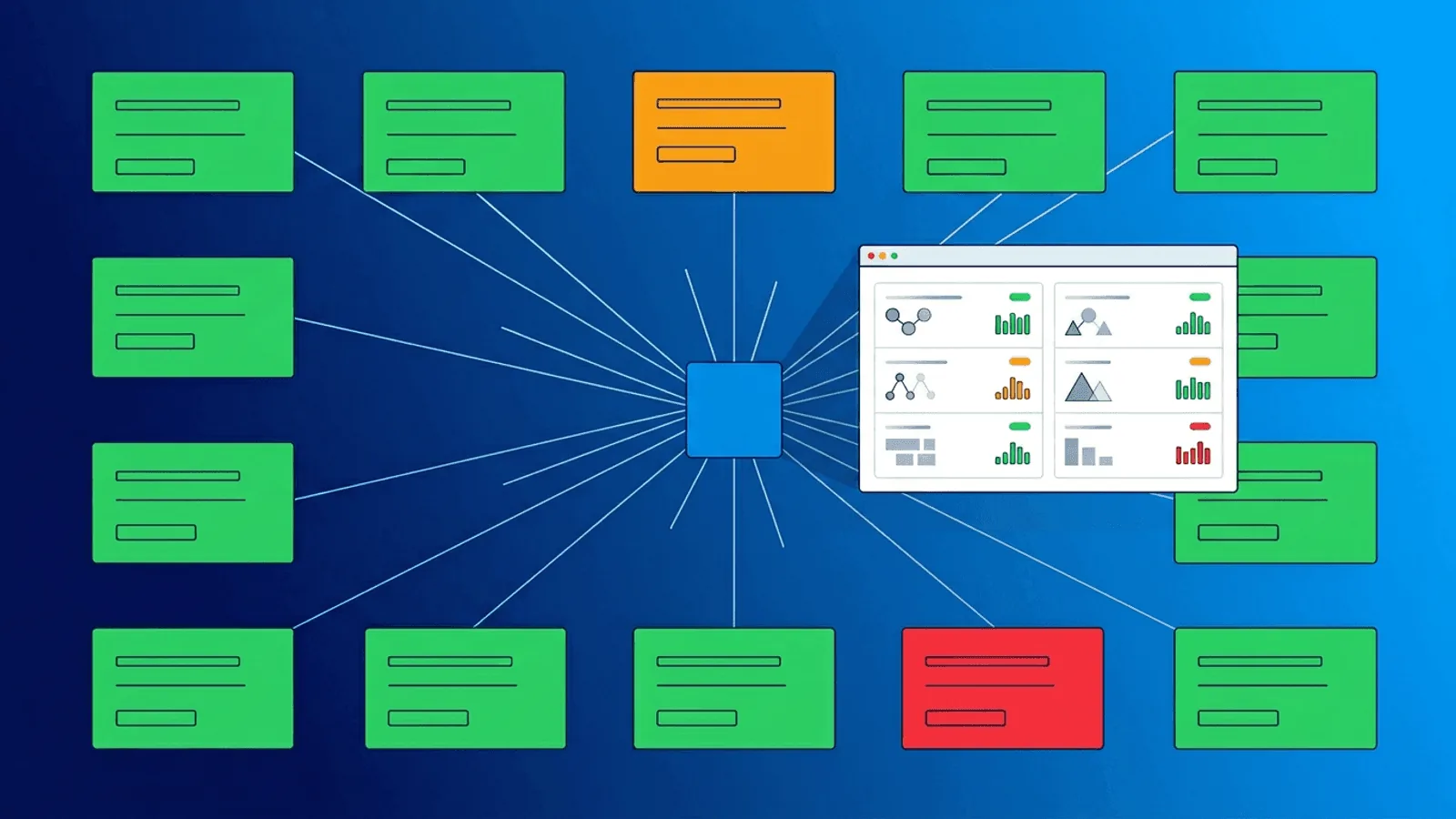
Multi-Tenant SaaS Monitoring: Tenant Health Without Cardinality Chaos
Monitor tenant cohorts, shards, queues, resource isolation, webhooks, SLOs, and noisy neighbors without unsafe endpoints or unbounded metrics.
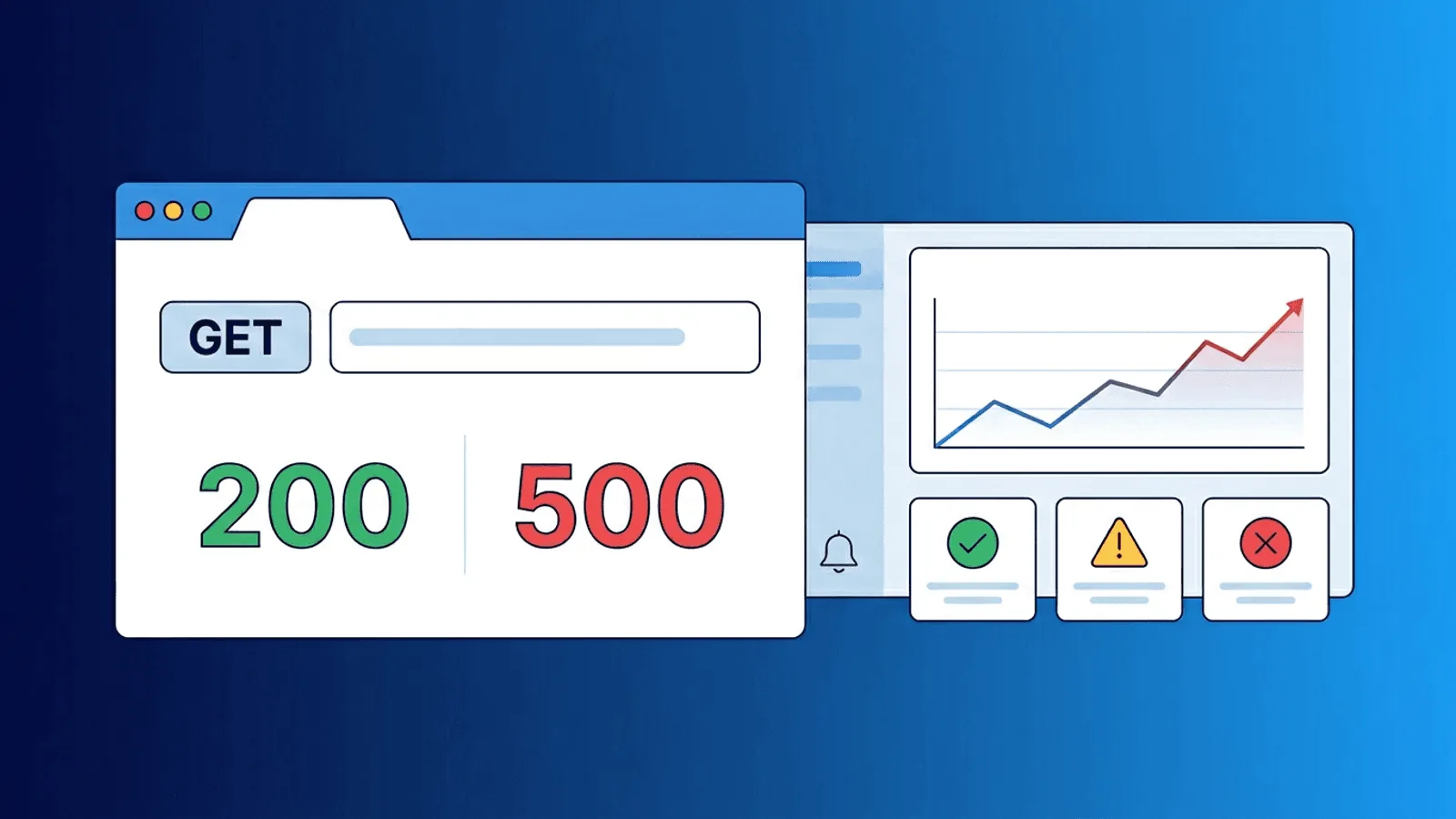
REST API Monitoring: Endpoints, Auth, Errors, Latency
Monitor REST endpoints with method-aware status checks, authentication, schema assertions, latency, rate limits and safe state-changing canaries.
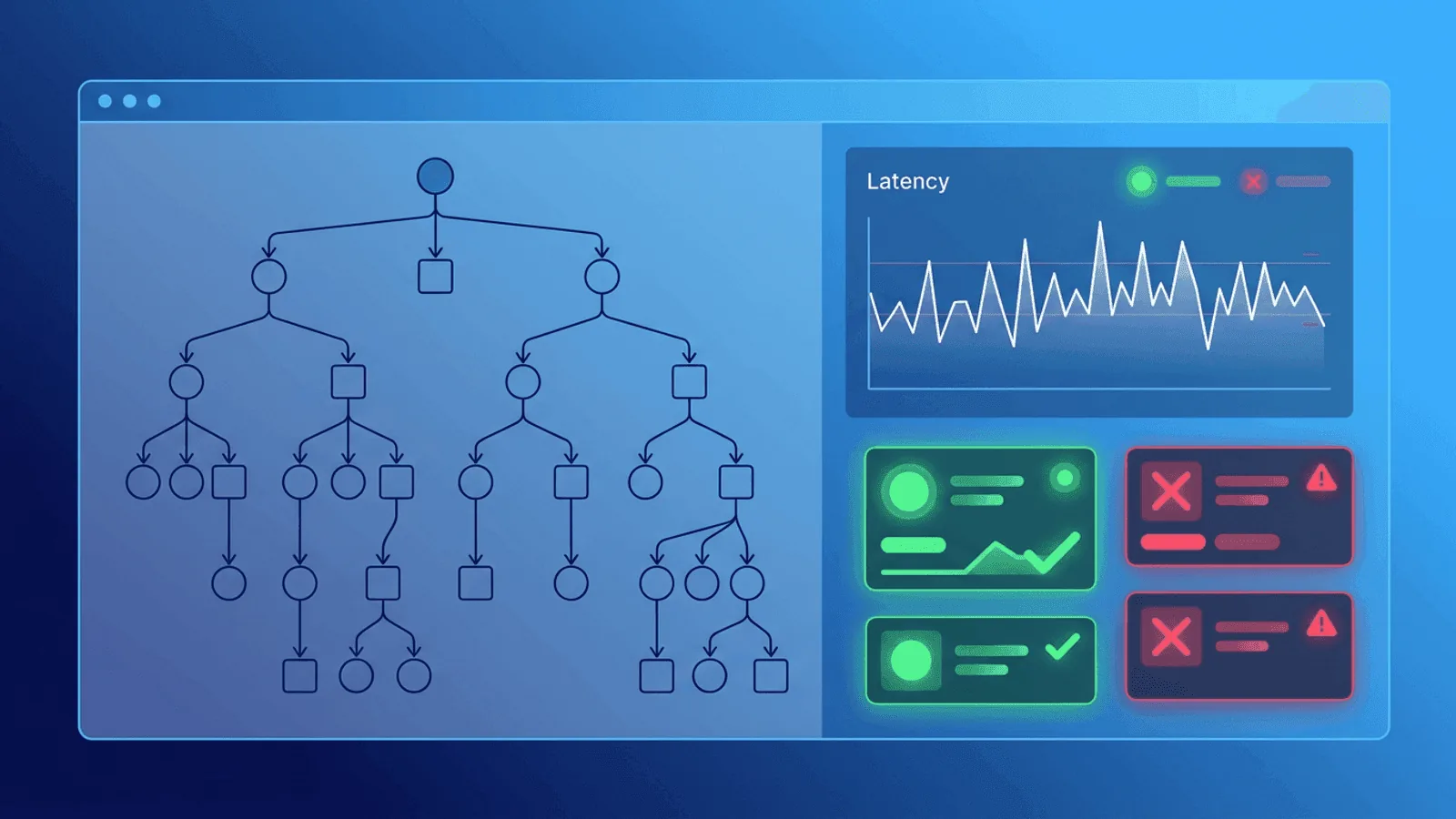
GraphQL Monitoring: Errors, Resolvers, Latency, Uptime
Monitor GraphQL operation success, partial errors, resolver latency, complexity and endpoint availability without treating every HTTP 200 as healthy.
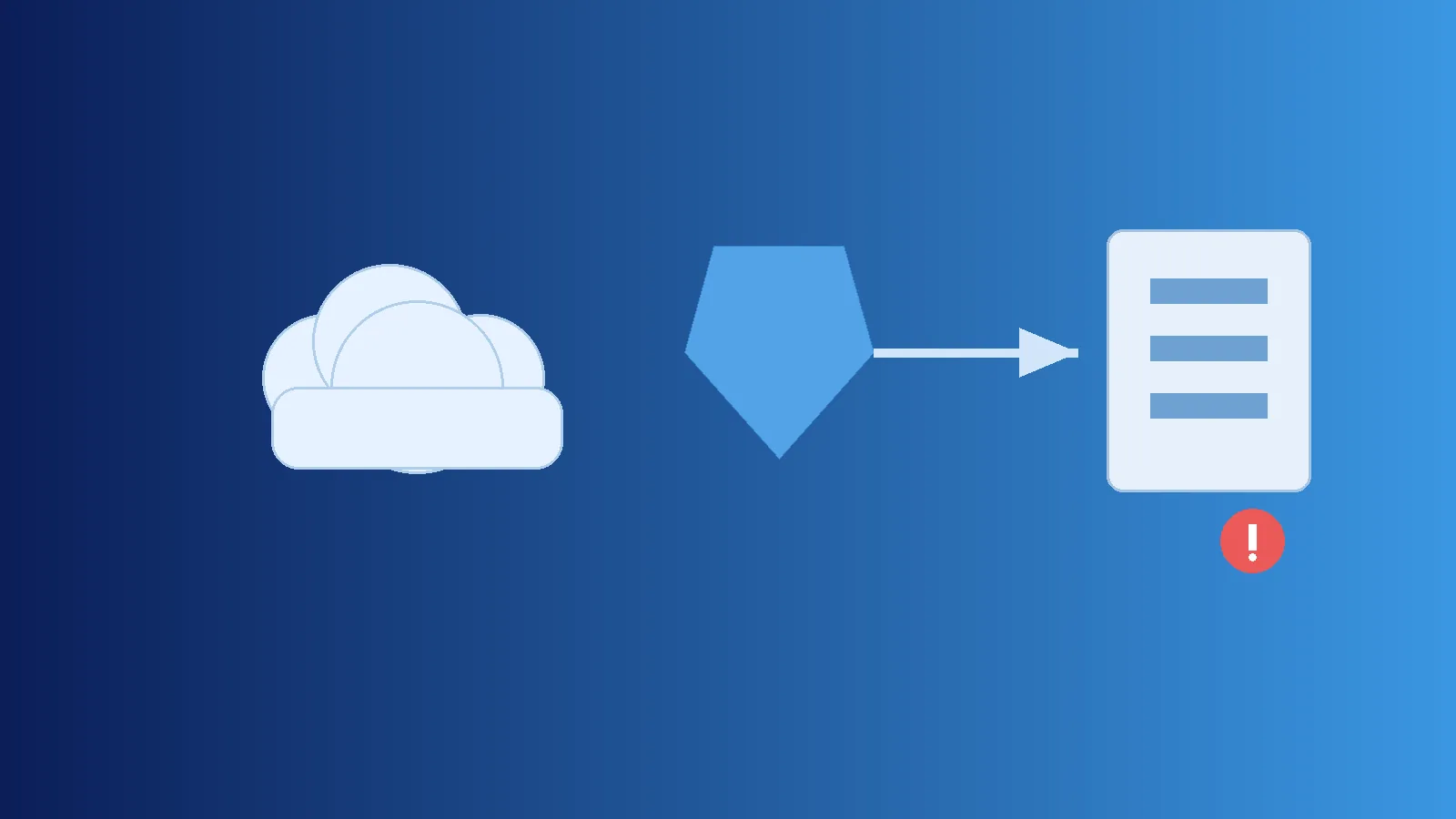
Cloudflare Monitoring: How to Detect Origin Outages Behind a CDN
Monitor Cloudflare edge delivery and protected origin-dependent paths separately so cache hits do not hide API, TLS, WAF, or backend failures.
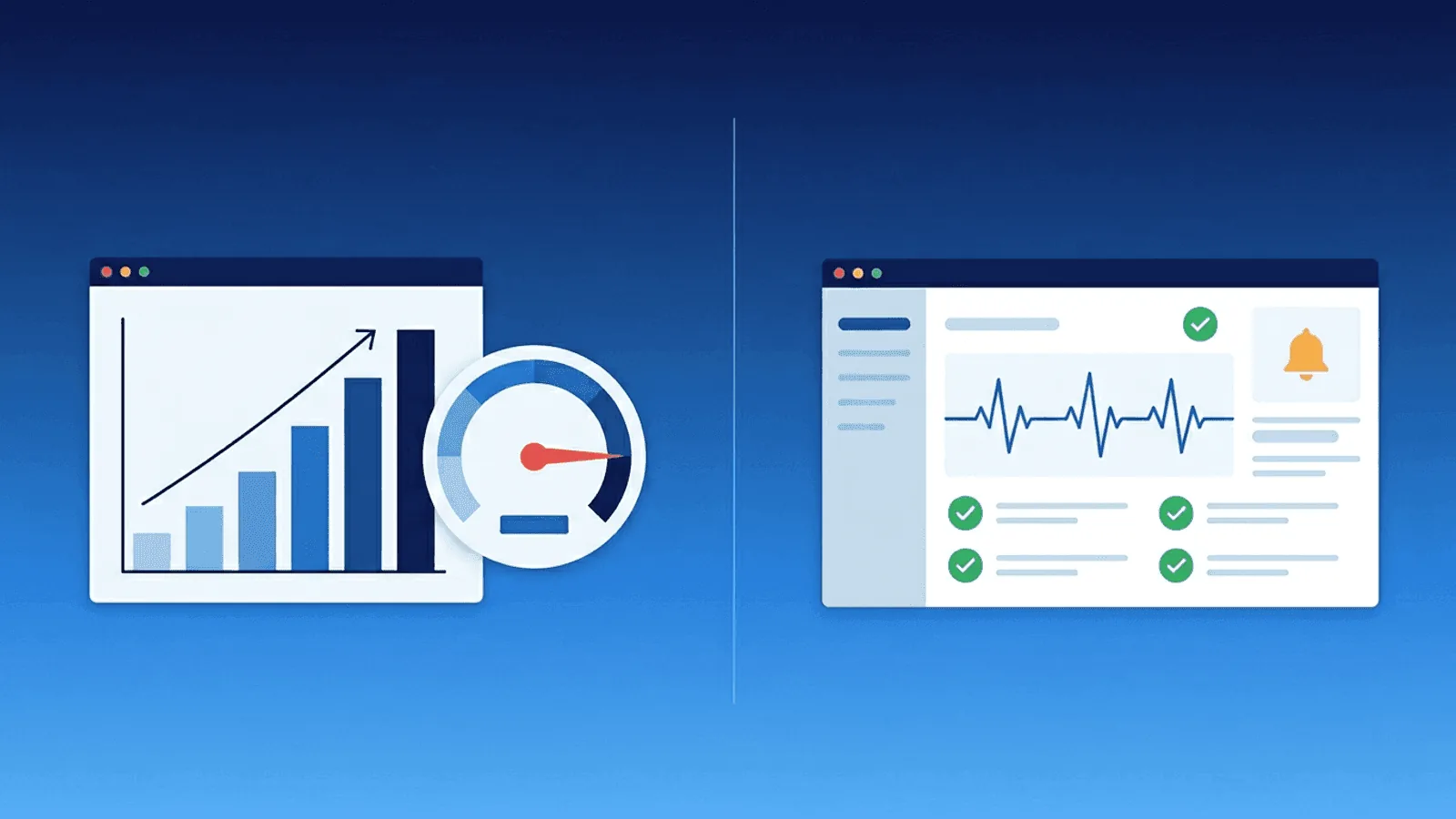
Load Testing vs Monitoring: Differences and Workflow
Compare pre-release load tests with continuous production monitoring, learn what each can prove, and connect test results to capacity and alert thresholds.
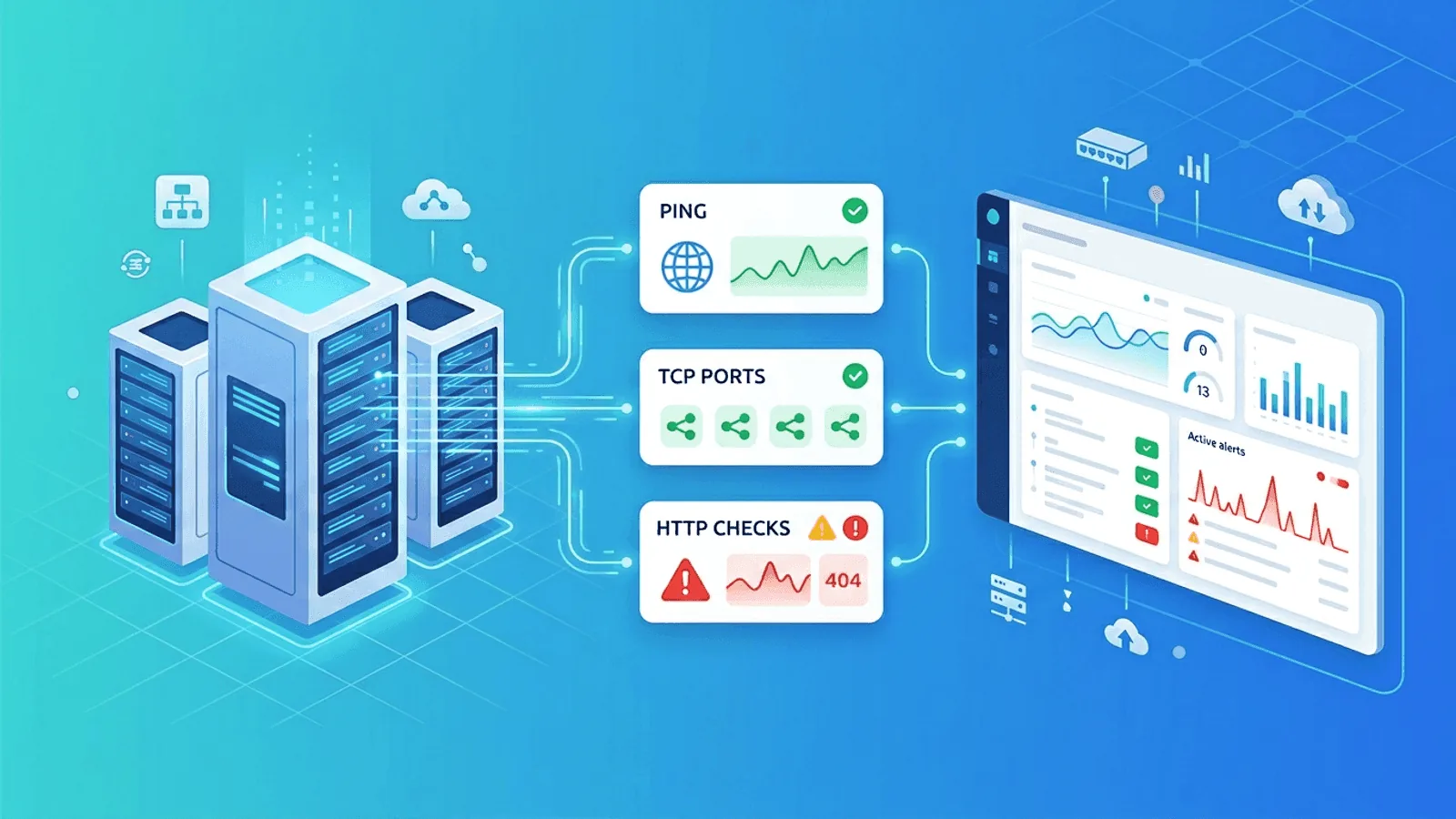
Server Monitoring Basics: Uptime, Reachability, and Response Checks
Build server monitoring in layers: host telemetry, ICMP where useful, private or public TCP checks, HTTP correctness, TLS, jobs, and response-time SLIs.
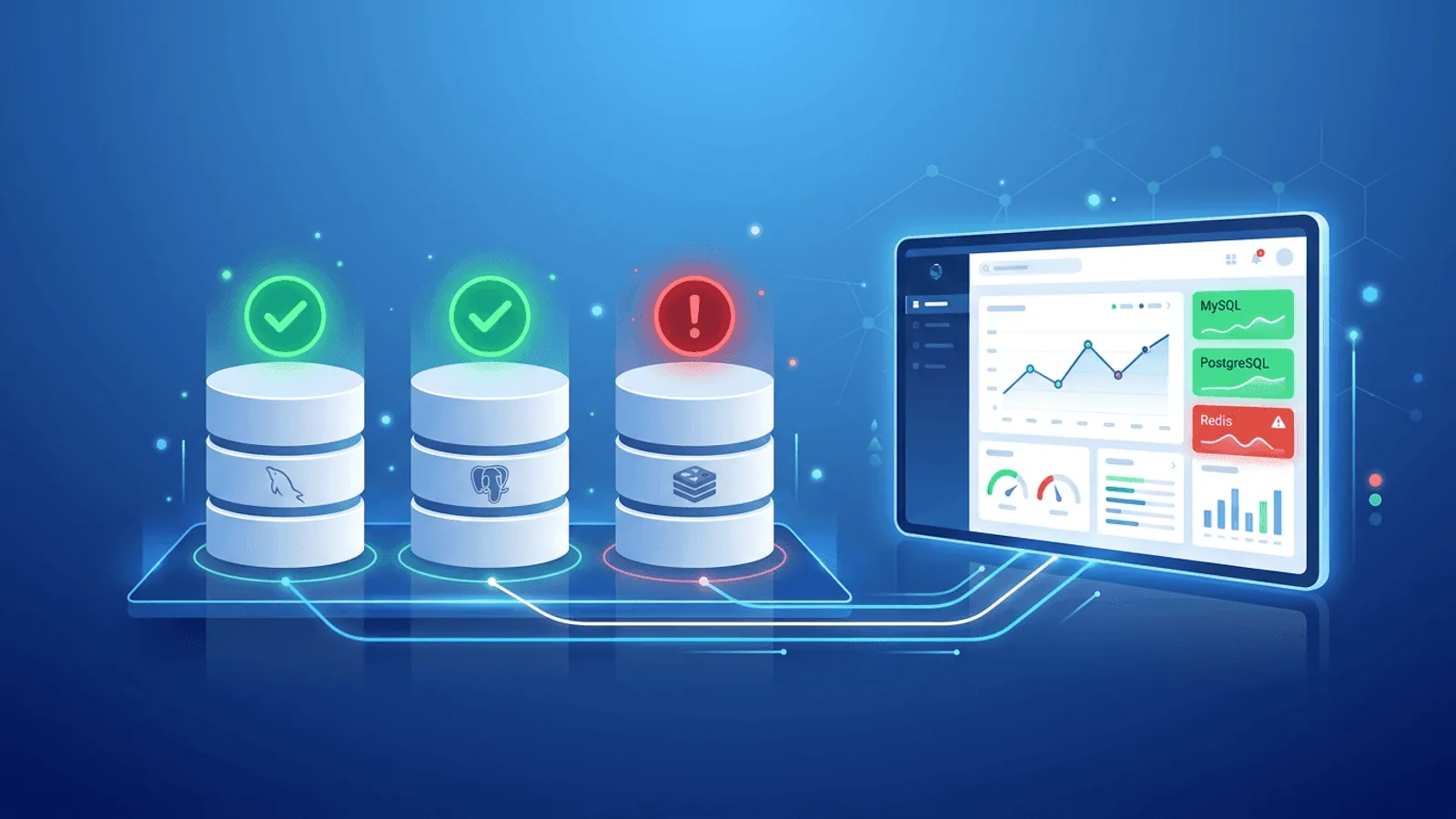
Database Monitoring: MySQL, PostgreSQL, and Redis
Build database monitoring for MySQL, PostgreSQL, and Redis with safe connectivity checks, query probes, saturation metrics, and actionable alerts.
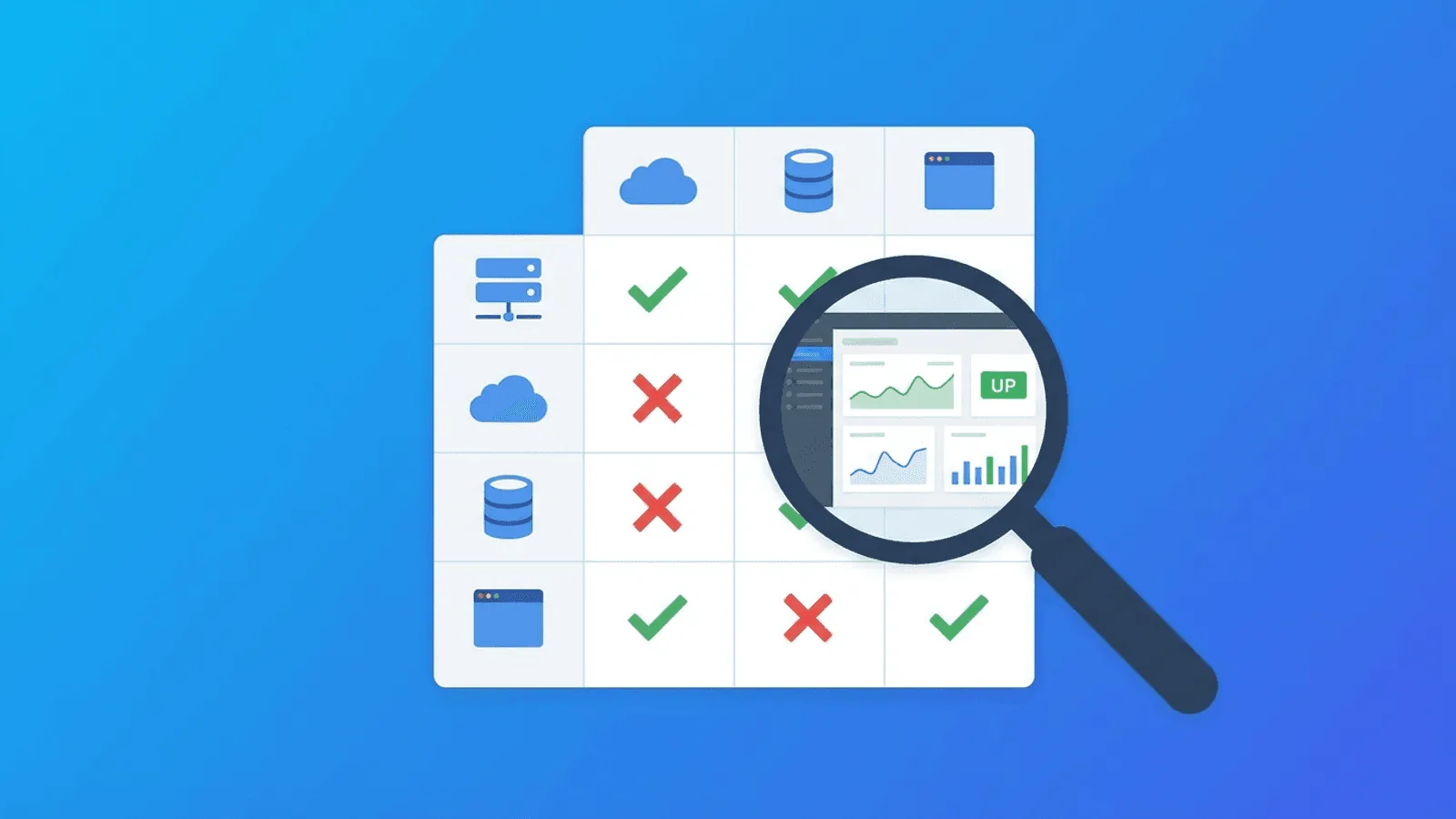
How to Choose a Website Monitoring Tool in 2026
Choose the right URL and website monitoring tool with a practical requirements matrix, pricing model, trial plan, migration checklist, and official sources.
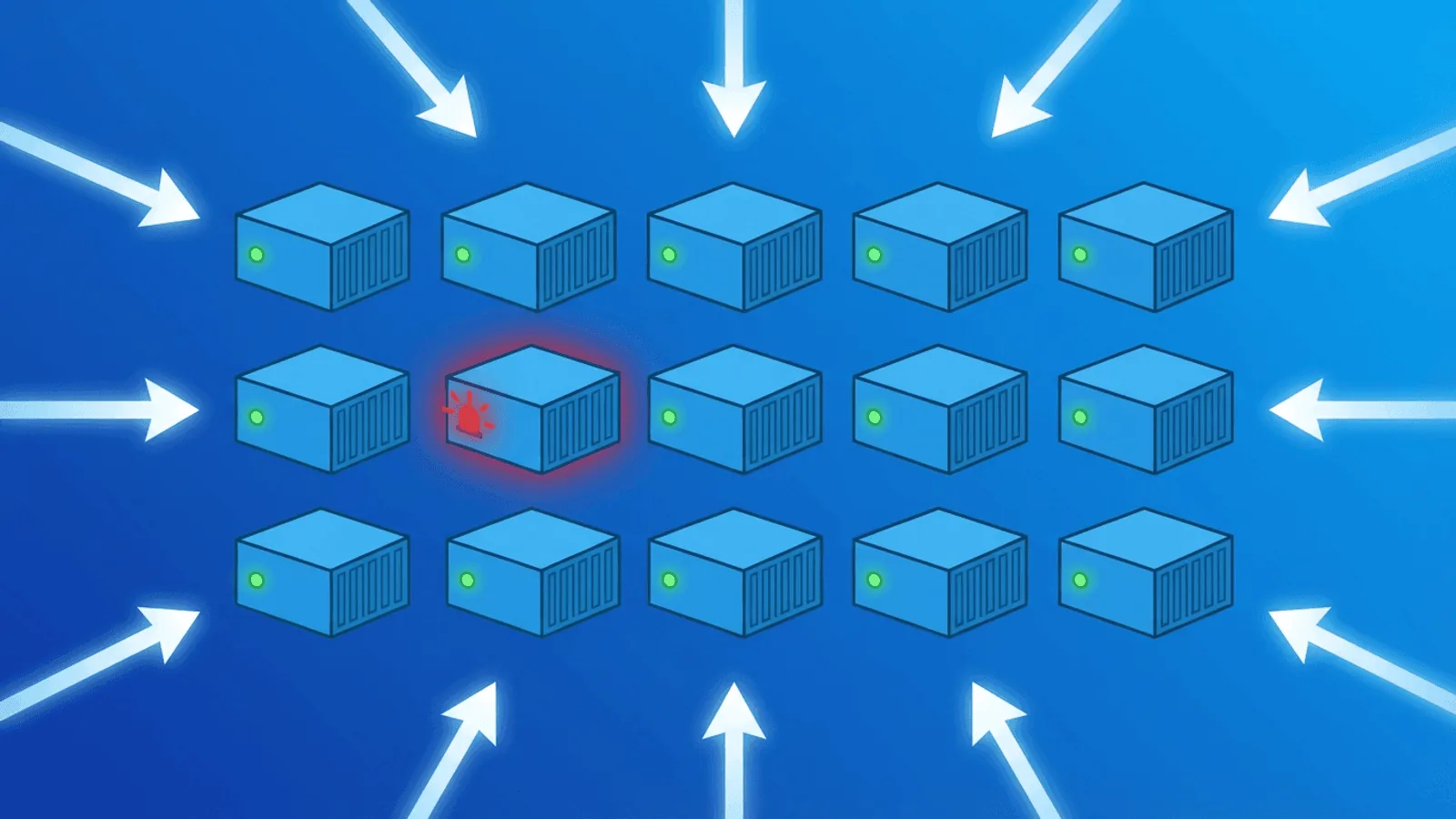
Docker Container Monitoring: Health Checks, Restarts & Uptime
Monitor Docker containers beyond HEALTHCHECK. Catch unhealthy restarts, OOMKilled events, crash loops, port failures, and HTTP errors with external checks.
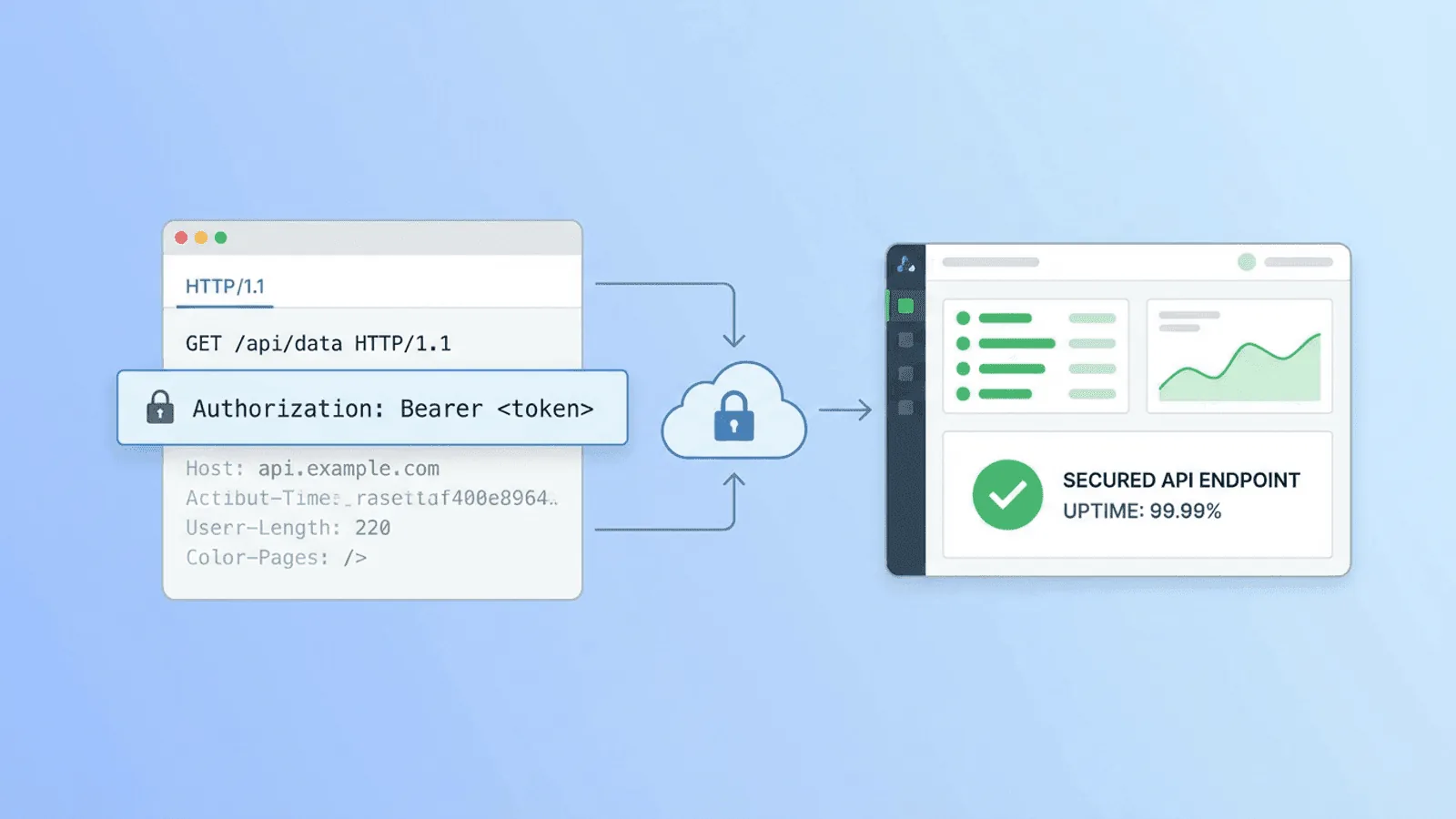
Authenticated API Monitoring: Tokens and Headers
Monitor protected APIs with least-privilege credentials, bearer tokens and custom headers while handling rotation, redaction and meaningful assertions safely.
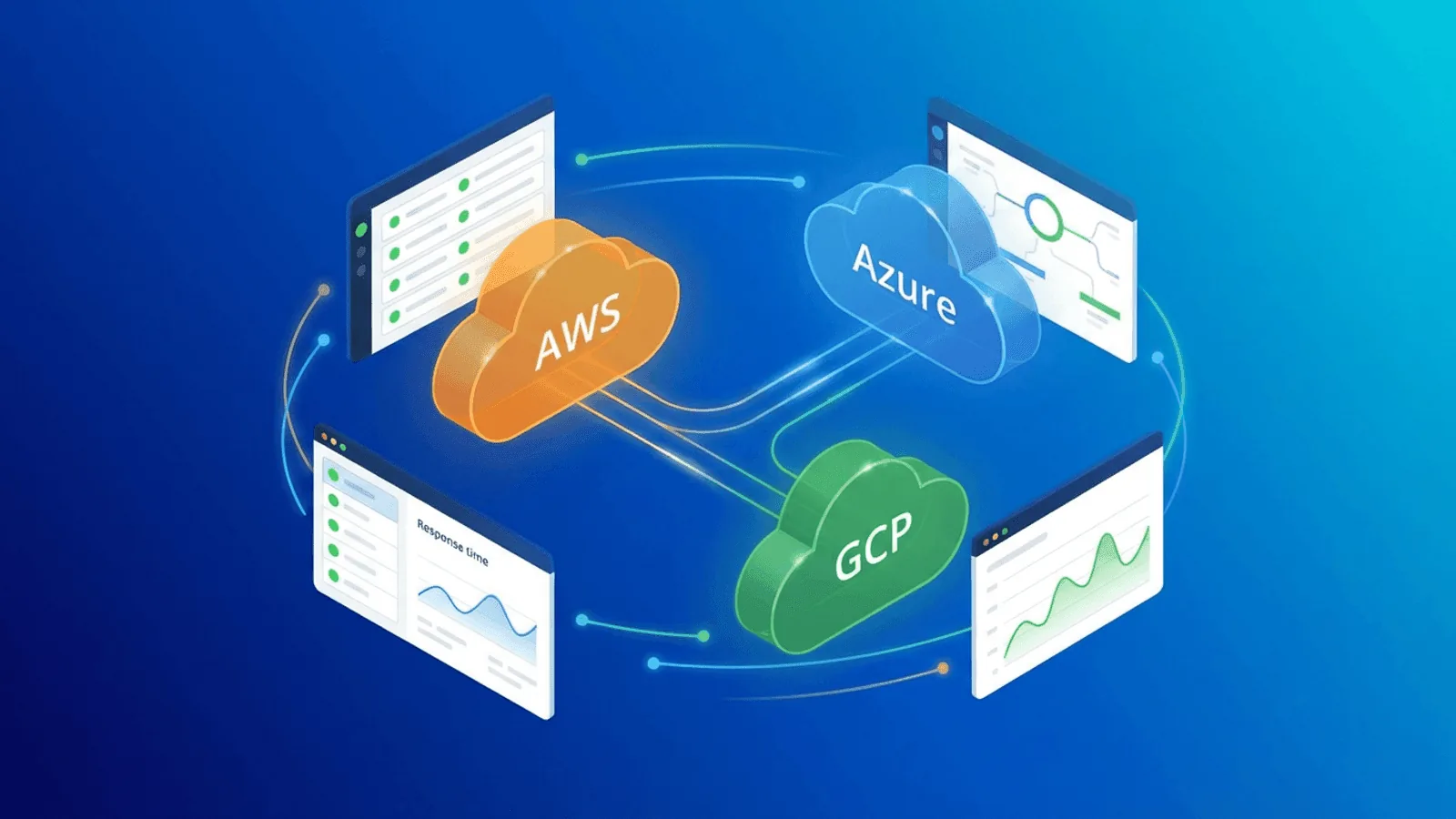
Cloud Infrastructure Monitoring: AWS, Azure & GCP Guide
Combine AWS, Azure, and Google Cloud telemetry with external synthetics, service health, SLOs, and dependency checks for end-to-end availability.

How to Prevent Website Outages: Reliability Checklist
Reduce preventable website outages with eight controls for certificates, DNS, capacity, deployments, dependencies, databases, networks, and configuration.
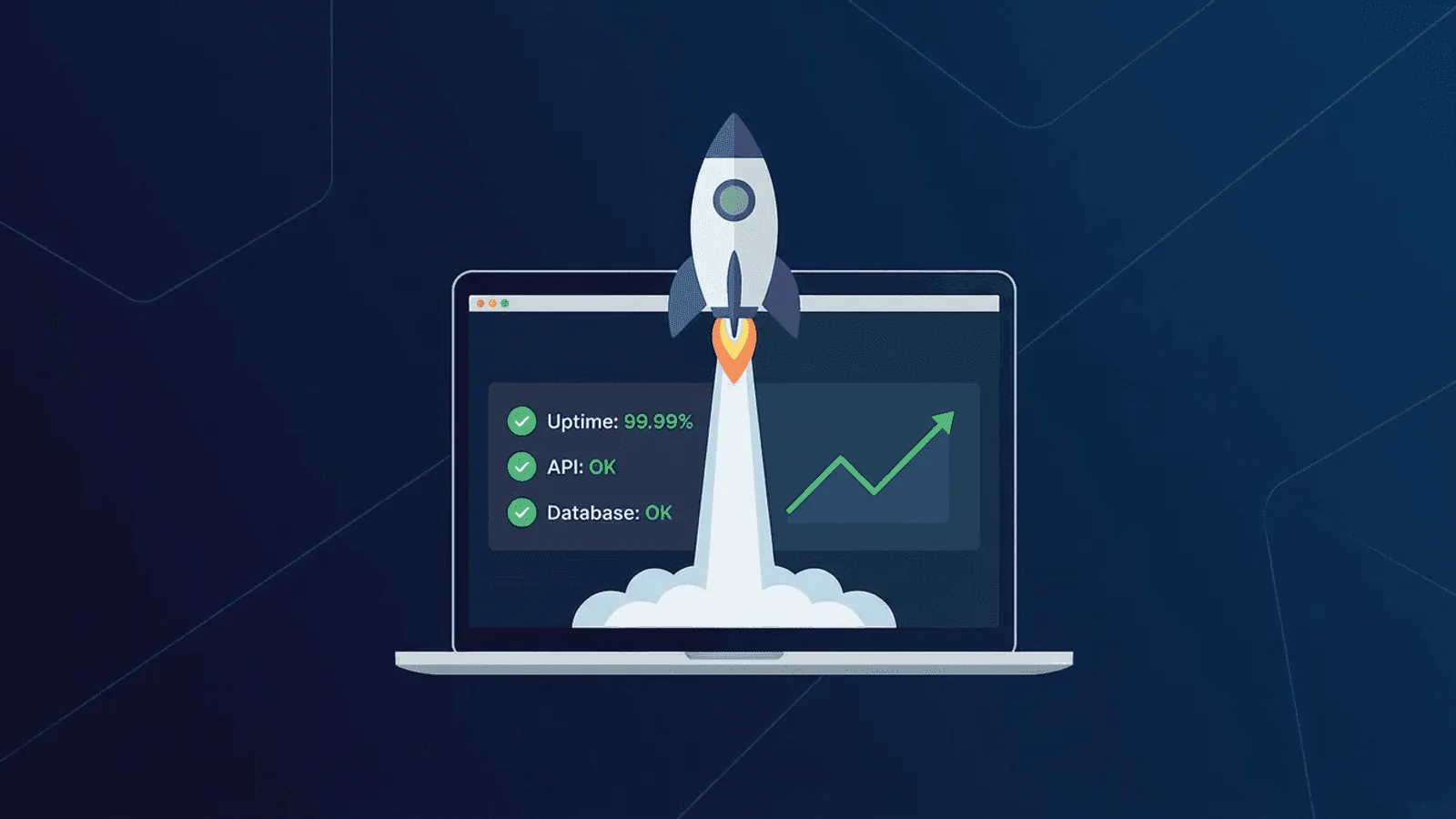
Monitoring for Startups: A Reliability Stack That Grows With You
Build startup monitoring around critical journeys, health checks, jobs, alerts, ownership, SLOs, and incident response without premature complexity.
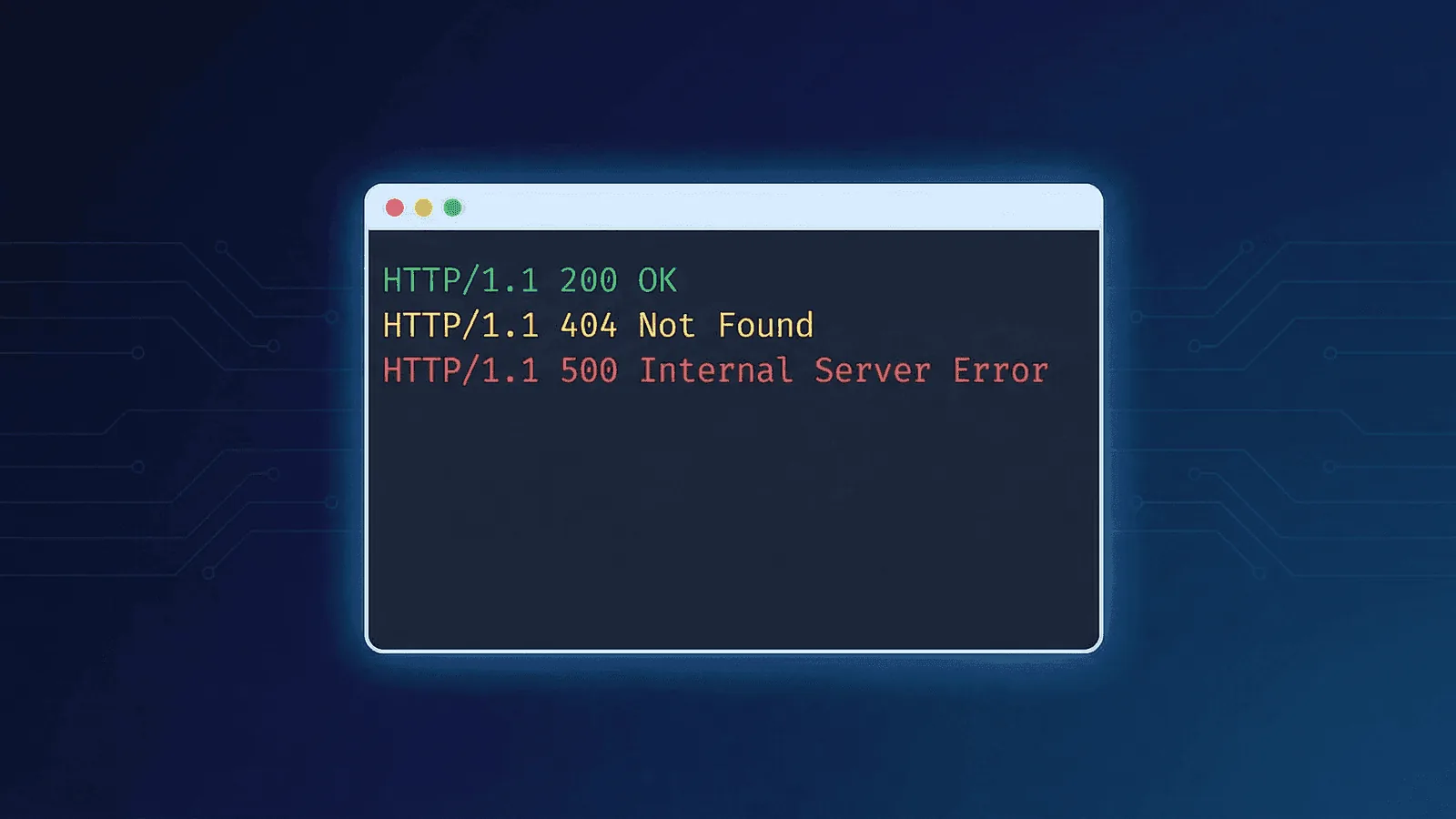
HTTP Status Codes Explained: 1xx, 2xx, 3xx, 4xx, 5xx
Understand HTTP status code classes and common codes, then configure monitoring that validates expected success, redirects, client errors and server failures.

Status Page Software in 2026: What to Compare
Compare status page software by public and private pages, subscribers, monitoring integration, pricing, migration, and incident workflow.
What Is Uptime Monitoring? A Beginner's Guide
Learn how uptime monitoring checks websites and APIs, confirms failures, sends alerts, measures availability, and differs from performance monitoring.
Website Monitoring for Agencies: Client Coverage, Alerts, and Reports
Run client website monitoring with tiered coverage, ownership, alert routing, maintenance windows, reporting, and platform-specific checks.
SLA Downtime Calculator: 99.9% vs 99.99% Downtime in Minutes & Hours
Calculate exact SLA downtime: 99.9% allows 43.8 min/month (8.76 hours/year); 99.99% allows 4.38 min/month. Complete downtime breakdown, formula, and SLA guide.
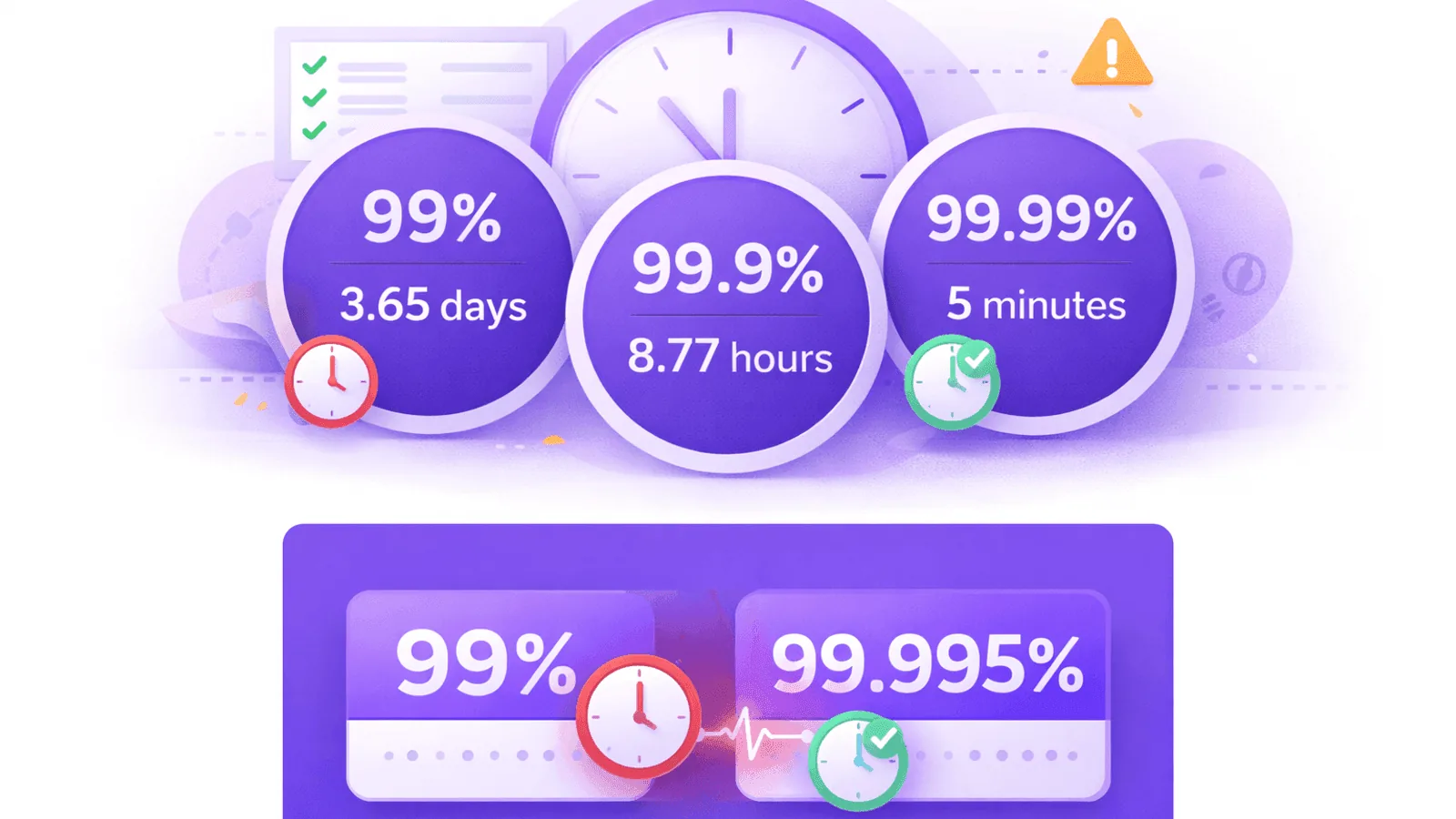
How to Calculate Website Uptime Accurately
Calculate website uptime from incident duration, define what counts as down, handle check intervals and partial failures, and compare results with an SLA.
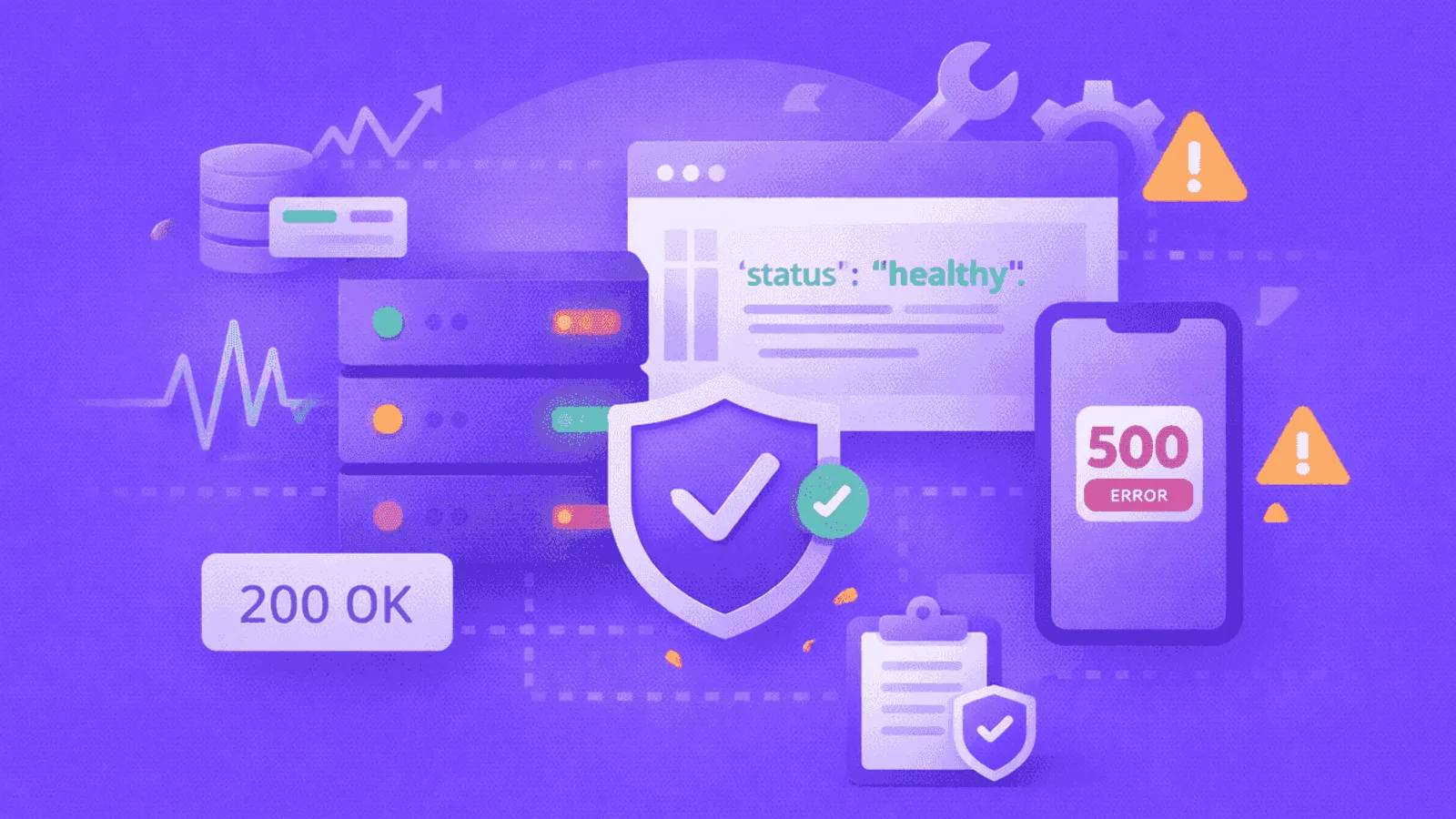
API Uptime Monitoring and Health Checks Guide
Build API uptime checks that validate critical endpoints, latency, status, content and authentication, with health endpoints and actionable alerts.
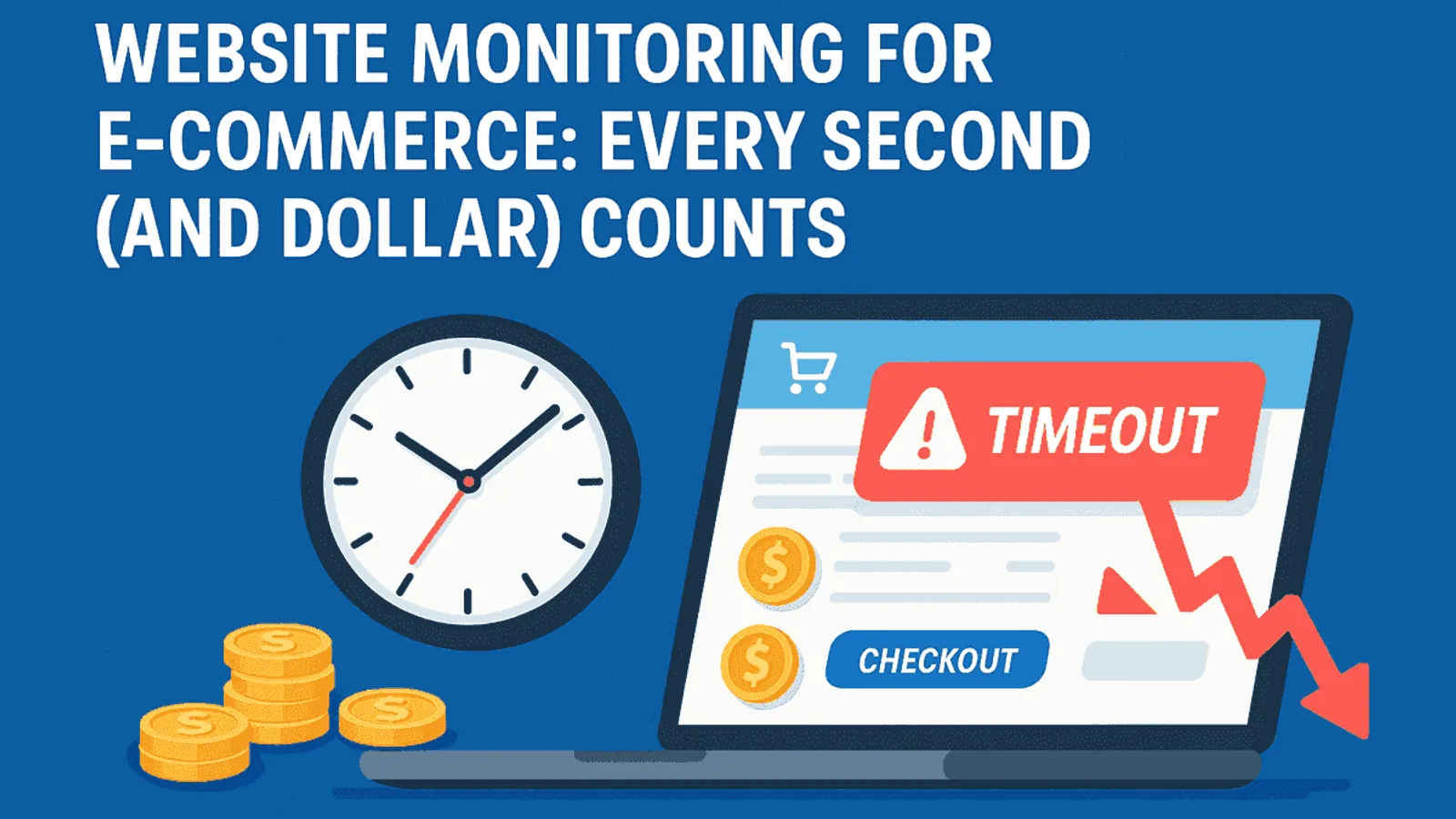
Ecommerce Website Monitoring: Product, Cart, Checkout, and Payment
Monitor ecommerce product discovery, search, cart, checkout, payment, order confirmation, dependencies, performance, and peak events.
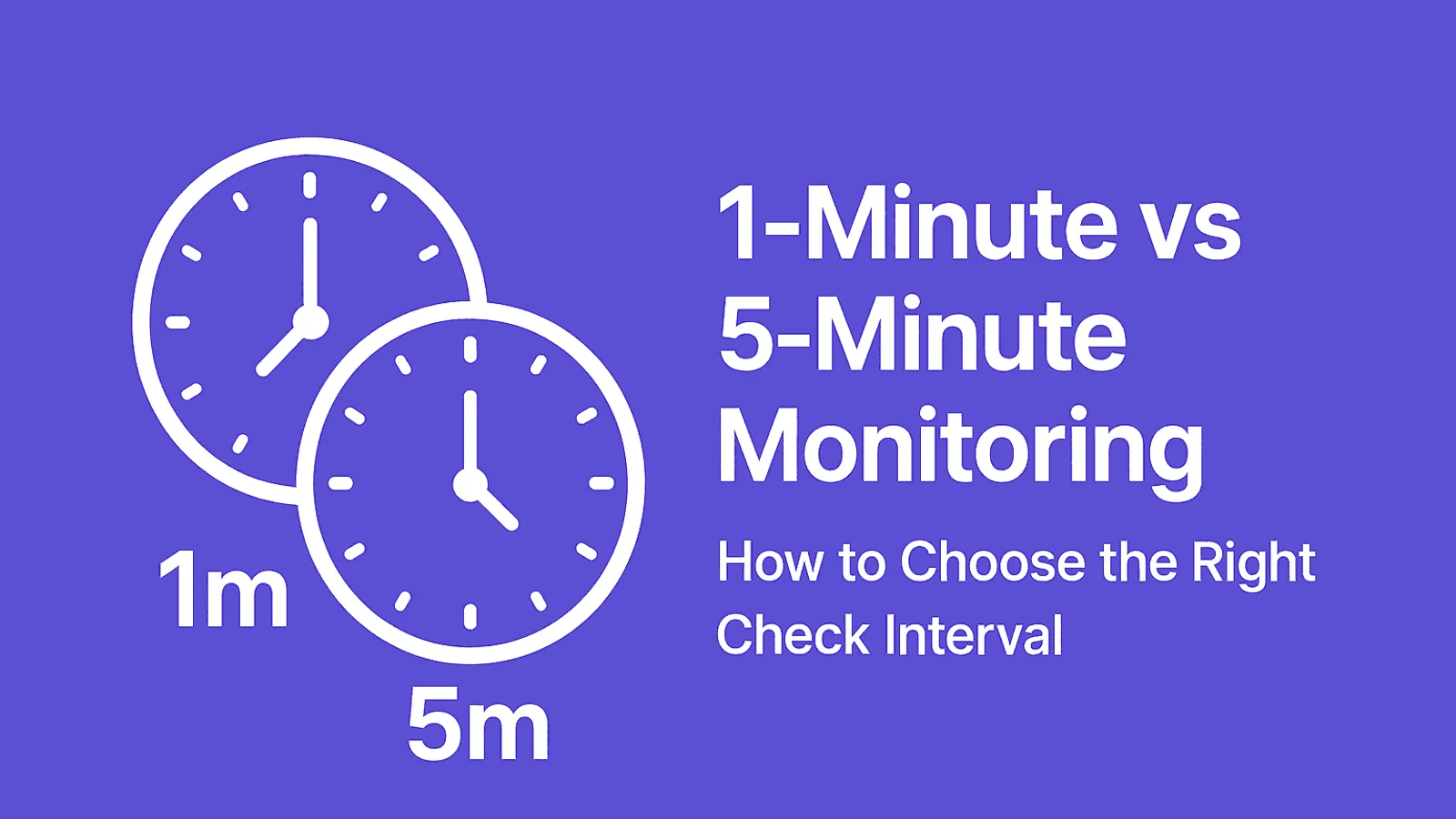
1-Minute vs 5-Minute Monitoring: Detection Time Explained
Compare 1-minute and 5-minute monitoring by expected and worst-case detection time, confirmation policy, outage duration, criticality, and check cost.
SaaS Uptime Monitoring: What to Cover From the First Release
Build SaaS uptime monitoring around signup, login, core workflows, APIs, jobs, billing, tenant health, dependencies, alerts, and SLOs.