
3xx Status Codes Explained: 301, 302, 303, 307, 308
What a 3xx status code means, how 301, 302, 303, 307 and 308 differ, and how to monitor redirect chains — HTTP redirects, not a game.

4xx Client Errors: 400, 401, 403, 404, 429 Explained
Learn what 4xx client errors mean, how 400, 401, 403, 404 and 429 differ, and which rates, routes and regressions should trigger alerts.

5xx Server Errors: 500, 502, 503, 504 Explained
Understand 500, 502, 503 and 504 server errors, diagnose application, proxy and upstream causes, and monitor status, body and error-rate patterns.

Response Body Validation: Detect False 200 OK
Validate required HTML, JSON fields, schemas and negative error markers so status-only monitors catch false-green pages, APIs and login redirects.

5xx Error Rate Monitoring: Thresholds and Alerting
Monitor 5xx error rates with ratio-based alerts, route and dependency breakdowns, burn-rate context, and an on-call playbook for 500–504 failures.
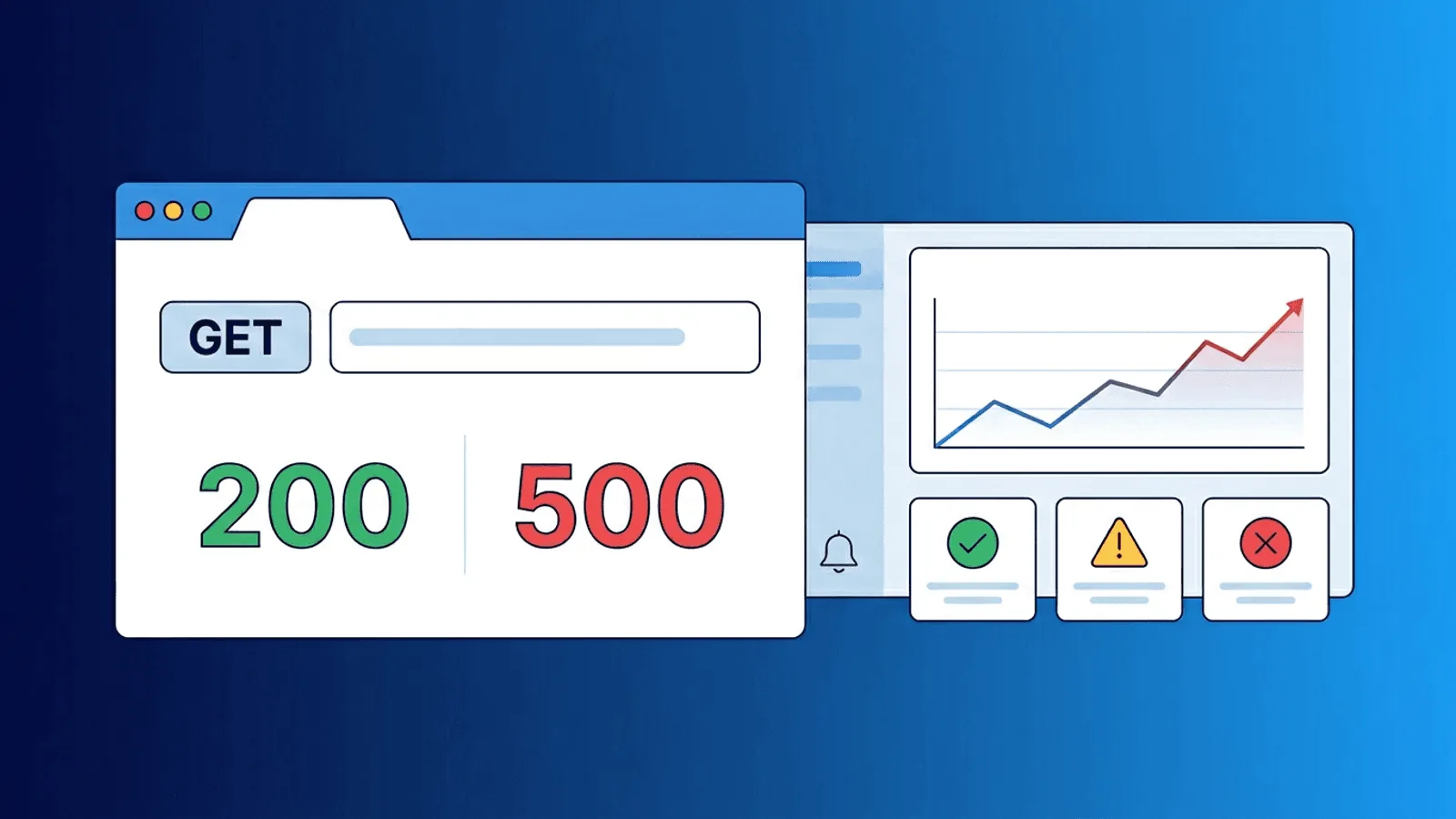
REST API Monitoring: Endpoints, Auth, Errors, Latency
Monitor REST endpoints with method-aware status checks, authentication, schema assertions, latency, rate limits and safe state-changing canaries.
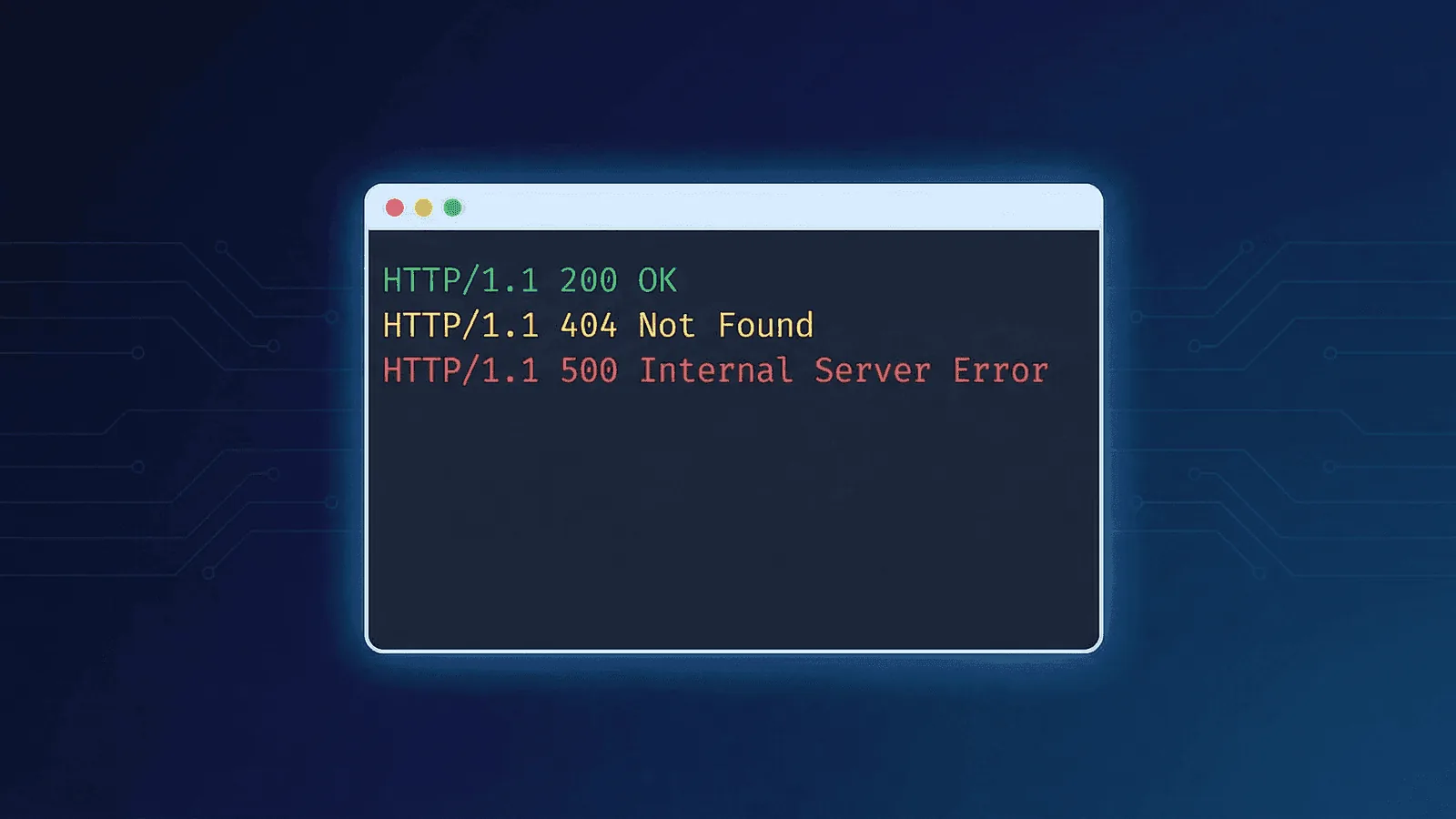
HTTP Status Codes Explained: 1xx, 2xx, 3xx, 4xx, 5xx
Understand HTTP status code classes and common codes, then configure monitoring that validates expected success, redirects, client errors and server failures.