
Memory Leaks in Production: Detection and Debugging Guide
Detect production memory leaks by separating heap, RSS, native memory, cache growth, and workload effects; capture profiles safely before OOM restarts.

Backpressure in Distributed Systems: Practical Flow Control
Design backpressure with demand signals, bounded buffers, admission control, timeouts, load shedding, and queue metrics so slow consumers stay contained.

Cache Stampede vs Thundering Herd: Prevention Patterns
Compare cache stampede, thundering herd, and cache avalanche; prevent synchronized misses with request coalescing, stale data, TTL jitter, and load limits.

Serverless Cold Starts: Causes, Monitoring, and Fixes
What a serverless cold start is, why the first request to an idle function is slow, and how to measure and reduce cold starts on Lambda and edge runtimes.
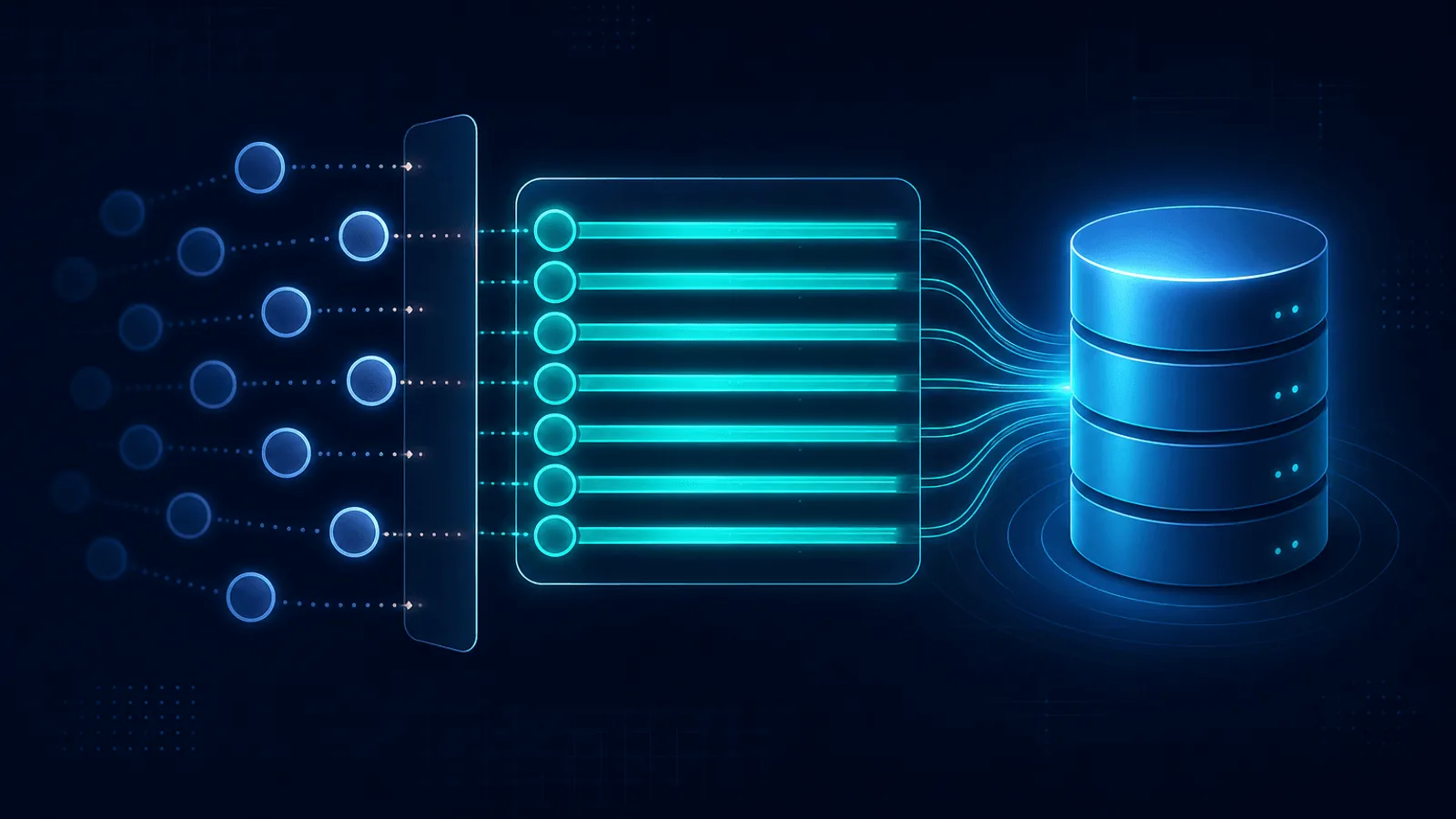
Database Connection Pool Exhaustion: Diagnose and Fix It
Diagnose database connection pool exhaustion, distinguish client wait timeouts from server limits, size pools across replicas, and fix leaks safely.

Synthetic Monitoring vs Real User Monitoring (RUM)
Compare scheduled synthetic tests with real-user monitoring, understand coverage, latency and privacy tradeoffs, and decide when to deploy one or both.

Apdex Score Explained: Formula, T Threshold, Pitfalls
Calculate Apdex from satisfied and tolerating requests, choose a meaningful T threshold, interpret scores, and avoid the aggregation traps that hide slow users.

HTTP/3 & QUIC Monitoring: What Changes and What to Watch
How HTTP/3 and QUIC change monitoring: UDP 443, 0-RTT, connection migration, fallback to HTTP/2, and the new failure modes and metrics you must watch.

P50 vs P95 vs P99 Latency Explained (With Practical Formulas & Tail Latency Examples)
Understand P50 (median), P95, and P99 tail latency. Learn why average latency is misleading, how percentiles are calculated, and how to set accurate SLO alerts.

Active Record Performance Monitoring: N+1, SQL, and Pools
Monitor Active Record query count, N+1 lazy loads, slow SQL, object instantiation, and connection pool waits using Rails instrumentation and database evidence.

Real User Monitoring (RUM): How It Works and When to Use It
Learn how browser RUM captures Core Web Vitals, errors and real-user context, how to sample and protect privacy, and when synthetic checks are still required.

Redirect Chain Monitoring: Loops, Wrong Targets & Latency
Monitor every redirect hop for loops, wrong destinations, status intent, HTTPS downgrades, terminal errors, and added latency—without link-equity myths.

MySQL Monitoring: Slow Queries, InnoDB, Locks, Replication
Monitor MySQL with Performance Schema, slow query logs, InnoDB pressure, lock waits, replication workers, connections, and baseline-based alerts.
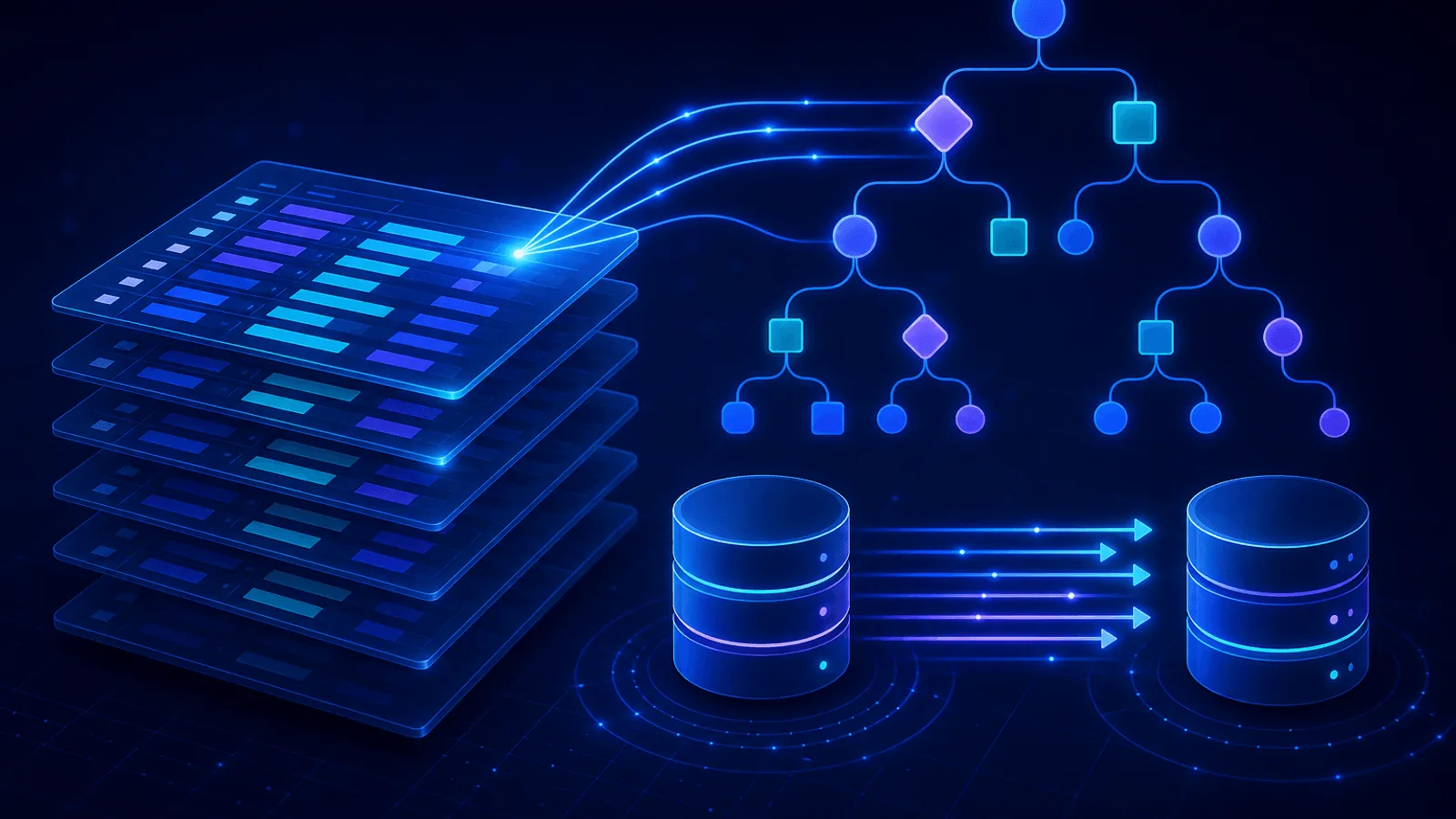
PostgreSQL Monitoring: Slow Queries, Locks, Vacuum, Replication
Monitor PostgreSQL with pg_stat_statements, pg_stat_activity, WAL lag, vacuum progress, locks, I/O, and workload-based production alerts.

Redis Monitoring: Memory, Evictions, Latency, and Replication
Monitor Redis memory, eviction rate, command latency percentiles, slowlog, persistence, replication, clients, big keys, and cluster health.
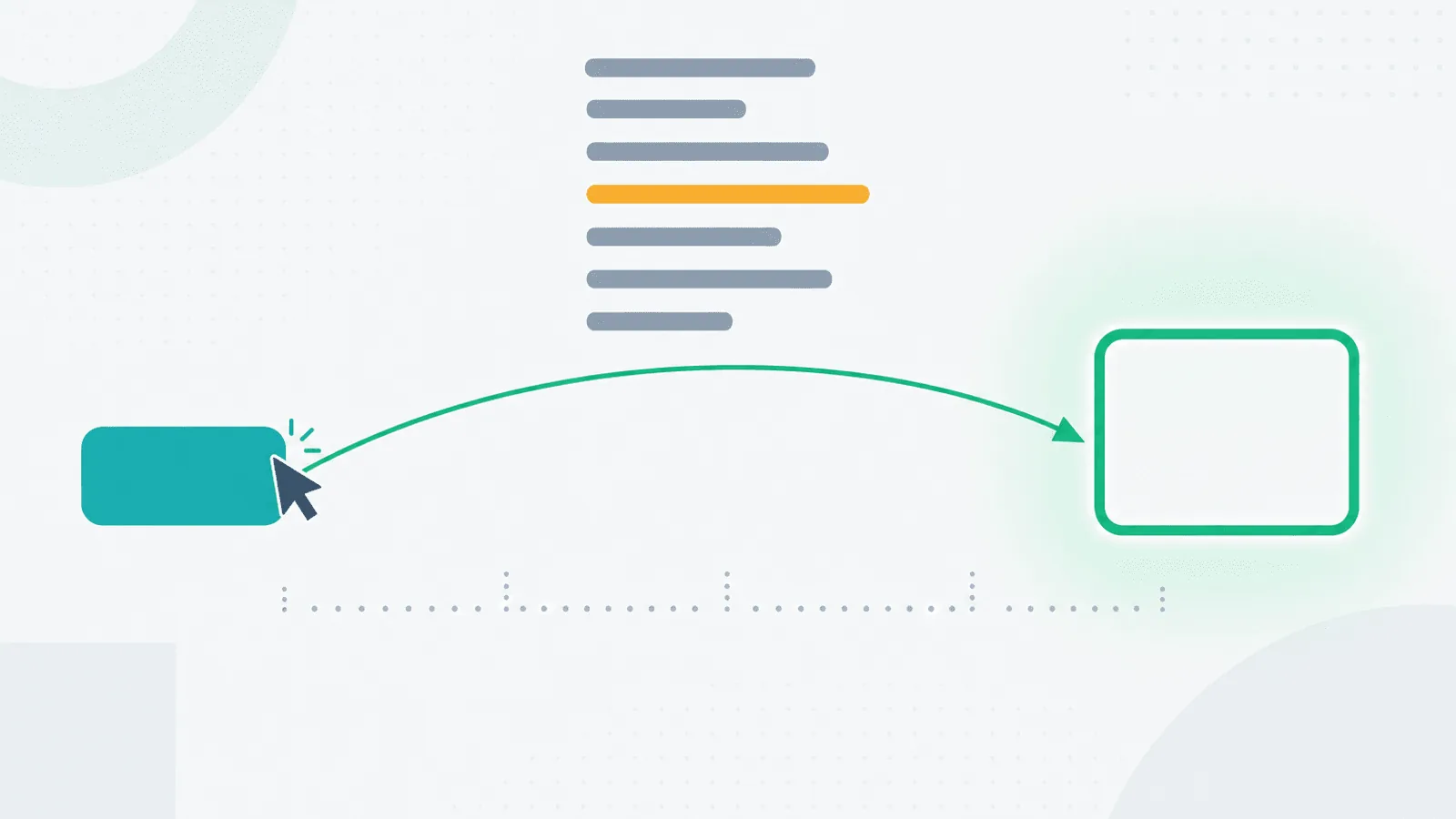
INP Monitoring: Interaction to Next Paint at p75
Measure Interaction to Next Paint in the field at p75, attribute slow interactions, reproduce them in the lab, and monitor Core Web Vitals regressions.
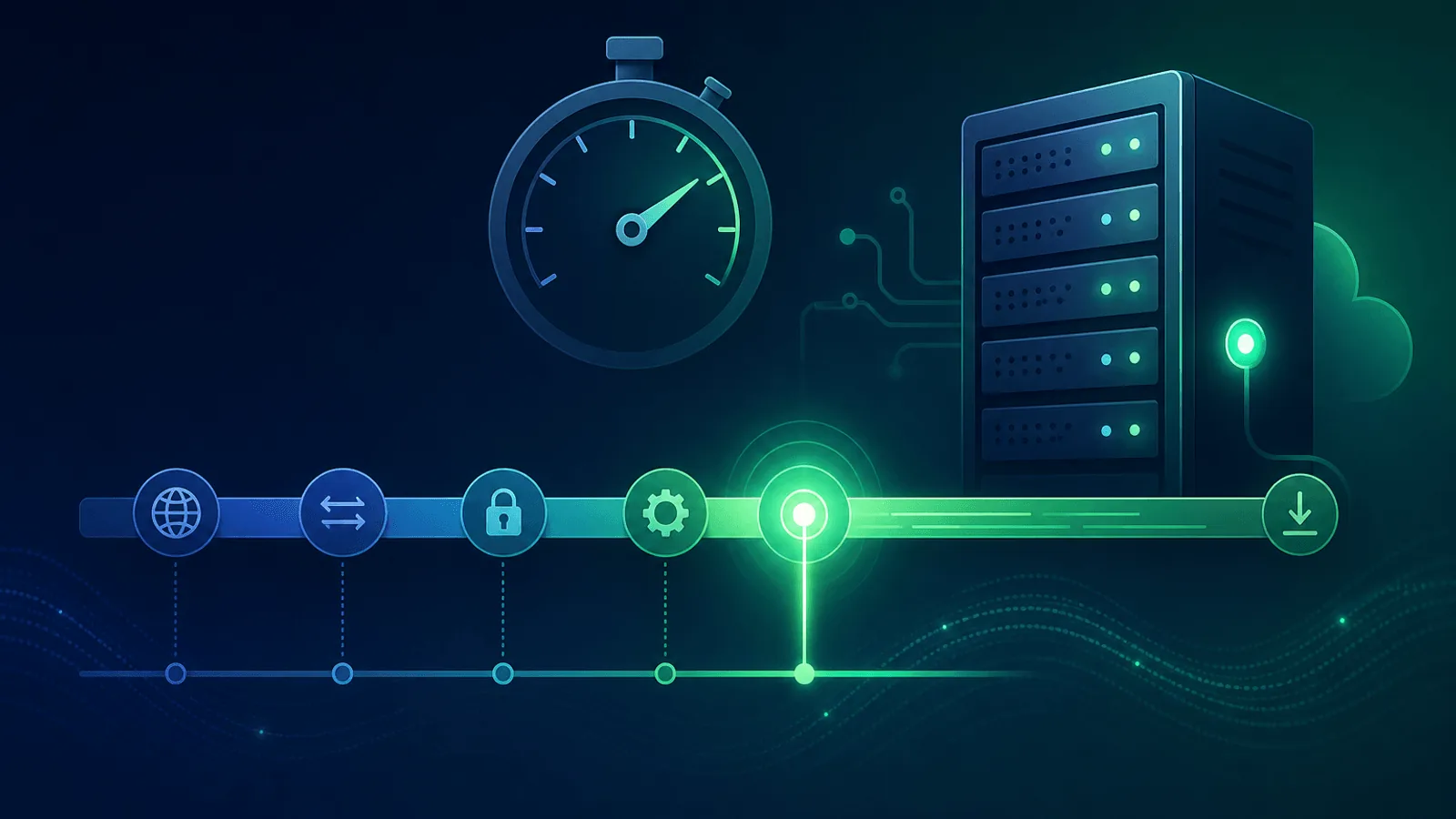
TTFB Monitoring: Time to First Byte Guide
Measure Time to First Byte in lab, field and synthetic checks, separate network from origin delay, and alert on route, region and cache regressions.
Core Web Vitals Monitoring: LCP, INP, CLS
Monitor LCP, INP and CLS at the mobile and desktop p75, combine field and lab data, and diagnose performance regressions by page template and release.
Nginx Monitoring: Uptime, Errors, and Performance
Monitor Nginx externally and internally with endpoint checks, upstream status, access/error logs, connection metrics, TLS, DNS, and config validation.
Load Testing vs Monitoring: Differences and Workflow
Compare pre-release load tests with continuous production monitoring, learn what each can prove, and connect test results to capacity and alert thresholds.
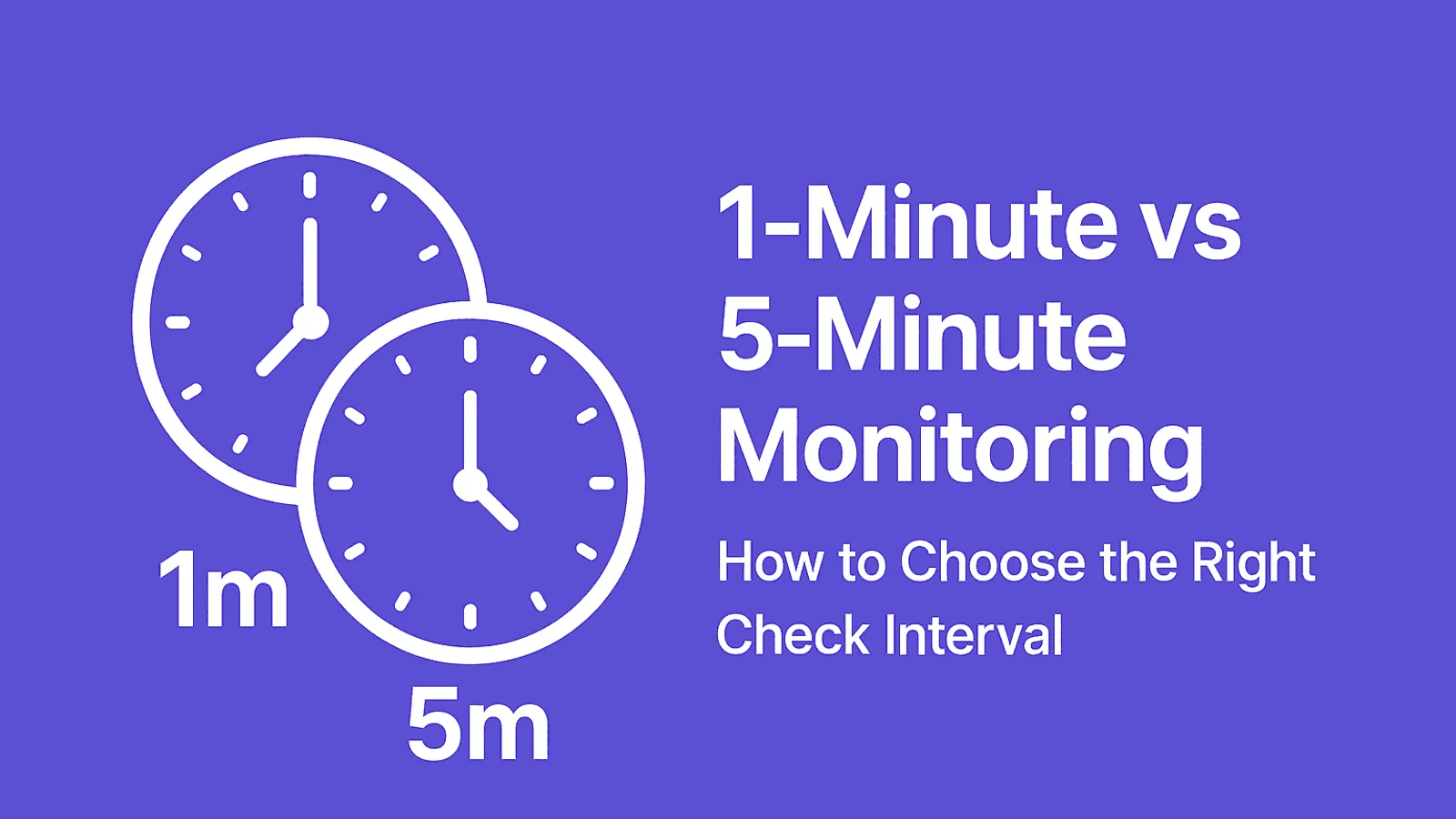
1-Minute vs 5-Minute Monitoring: Detection Time Explained
Compare 1-minute and 5-minute monitoring by expected and worst-case detection time, confirmation policy, outage duration, criticality, and check cost.
Slow Website Costs: How to Monitor Response Time and User Experience
Measure slow websites with response-time percentiles, TTFB, Core Web Vitals, regional checks, and performance SLOs instead of unsupported averages today.