The Webalert Blog
Expert insights on website monitoring, uptime optimization, SSL management, and building trust with status pages.
RSS FeedExpert insights on website monitoring, uptime optimization, SSL management, and building trust with status pages.
RSS Feed
Implement circuit breakers with closed, open, and half-open states; tune failure windows, probe recovery, fallbacks, and alerts without masking outages.
Fix connection refused (TCP RST), connection timed out, and connection reset errors. Step-by-step diagnostic checklist to test ports, firewalls, and servers.

Learn how exponential backoff with jitter prevents retry storms. Compare full, equal, and decorrelated jitter formulas, retry budgets, and code examples.
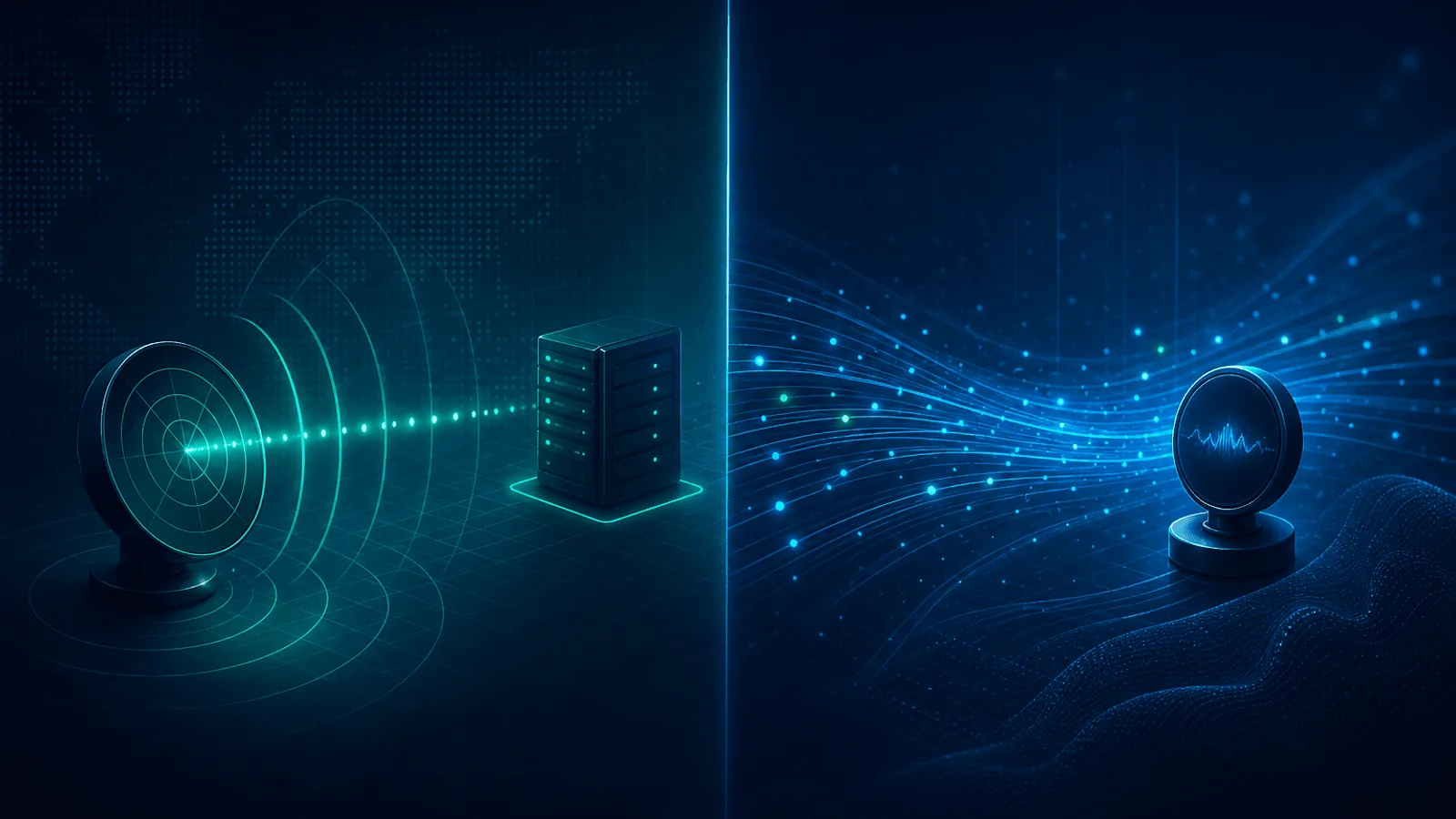
Compare active synthetic checks with passive production telemetry, understand each method’s blind spots, and build a practical monitoring strategy using both.

Stop flapping alerts with pending duration, consecutive checks, hysteresis, dampening, multi-location confirmation, and root-cause investigation.
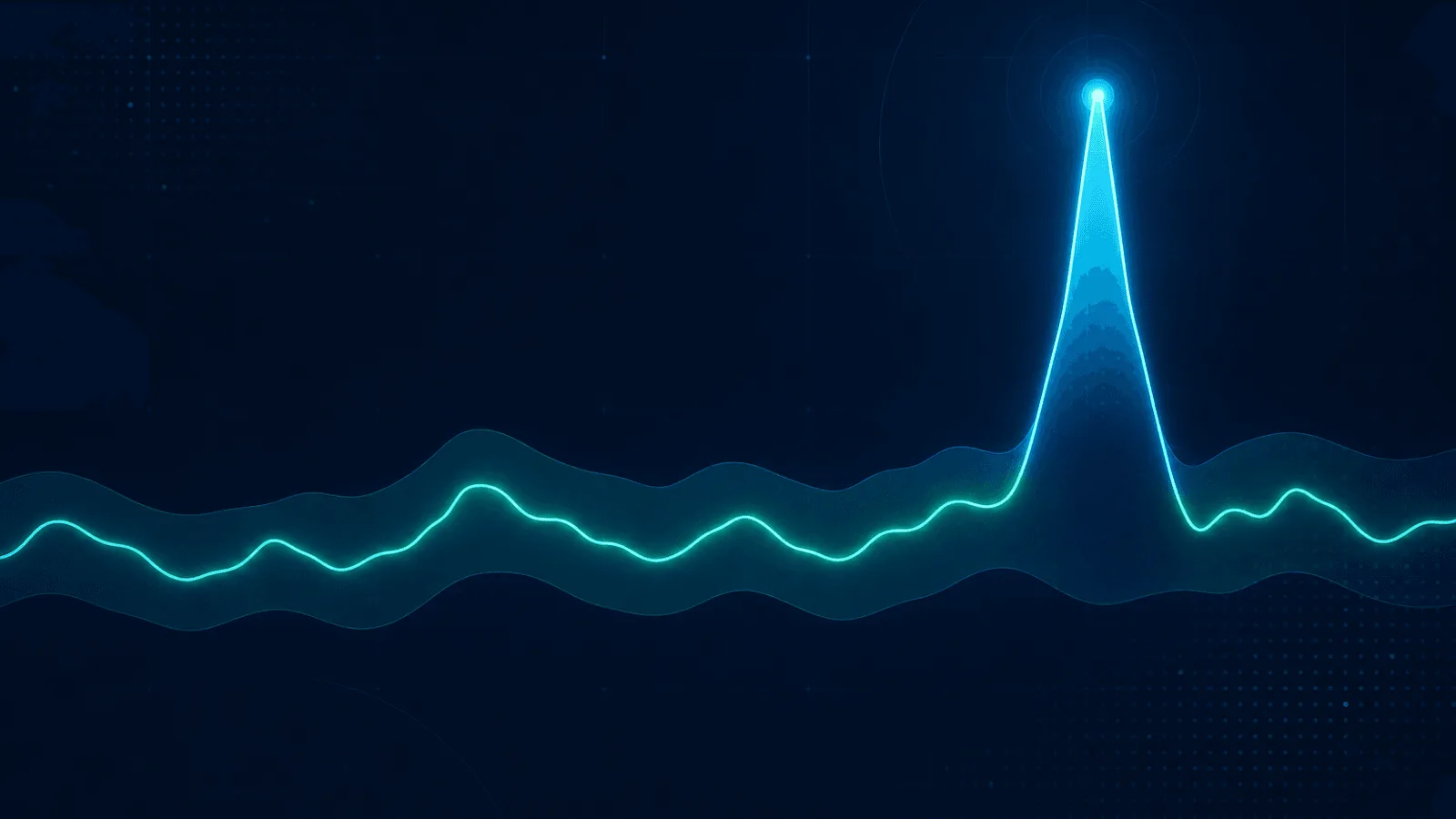
Compare anomaly detection with static thresholds, choose useful baselines, handle seasonality and cold starts, and turn outliers into actionable alerts.
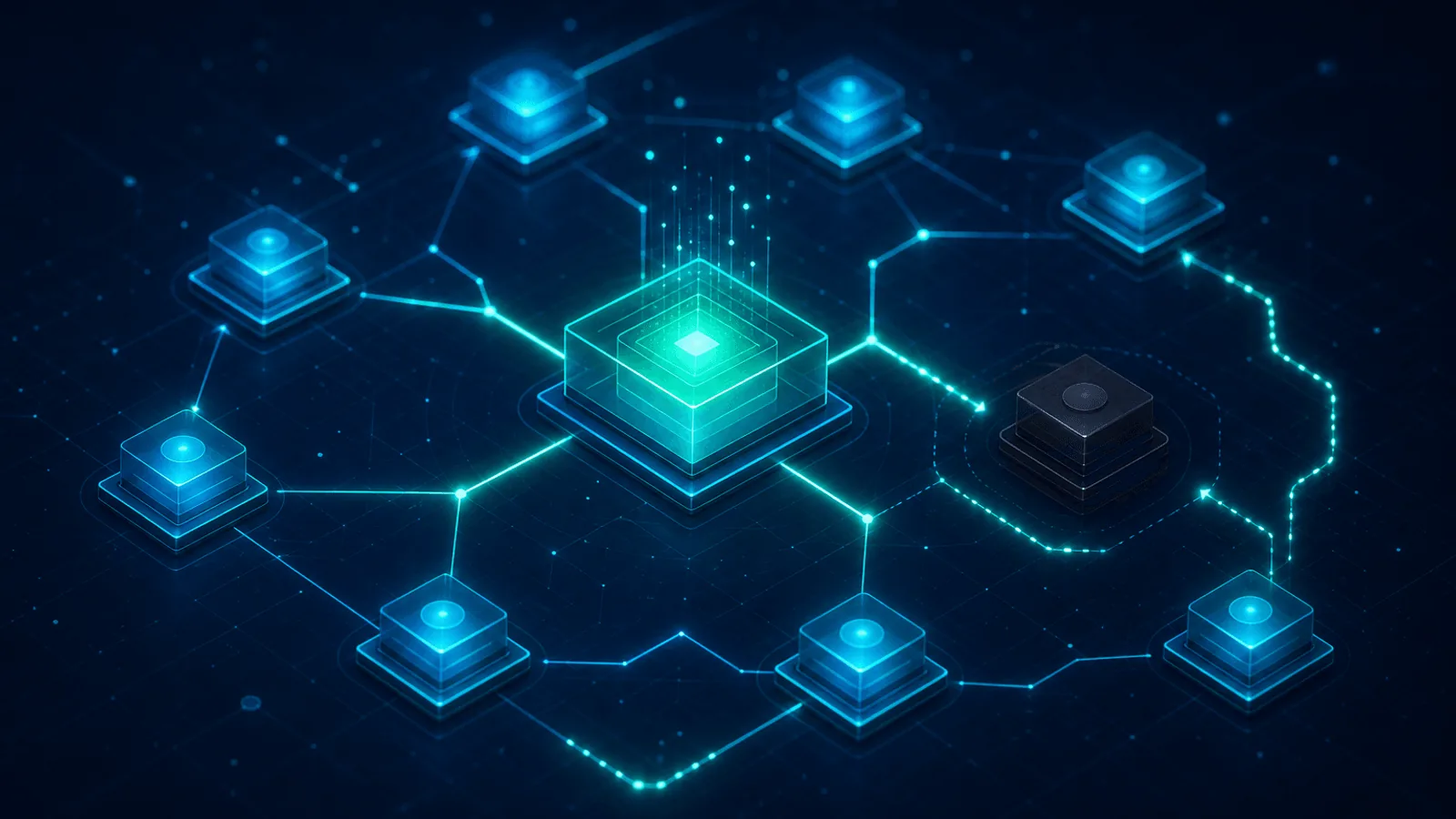
Design graceful degradation with fallbacks, deadlines, circuit breakers, load shedding, kill switches, and explicit monitoring for degraded states.

What packet loss is, what causes it, how to monitor and measure it, what counts as acceptable, and how to diagnose and fix it before users notice.

Learn how traceroute probes TTL hops, why RTT and loss can mislead, and how to combine TCP/ICMP traces, MTR, and endpoint tests during diagnosis.

Compare blue-green and canary deployments by blast radius, rollback, cost, database compatibility, traffic control, monitoring, and use case in production.

Why a Docker container shows 'unhealthy', how to read HEALTHCHECK logs, debug docker-compose health checks, and fix the most common causes fast.
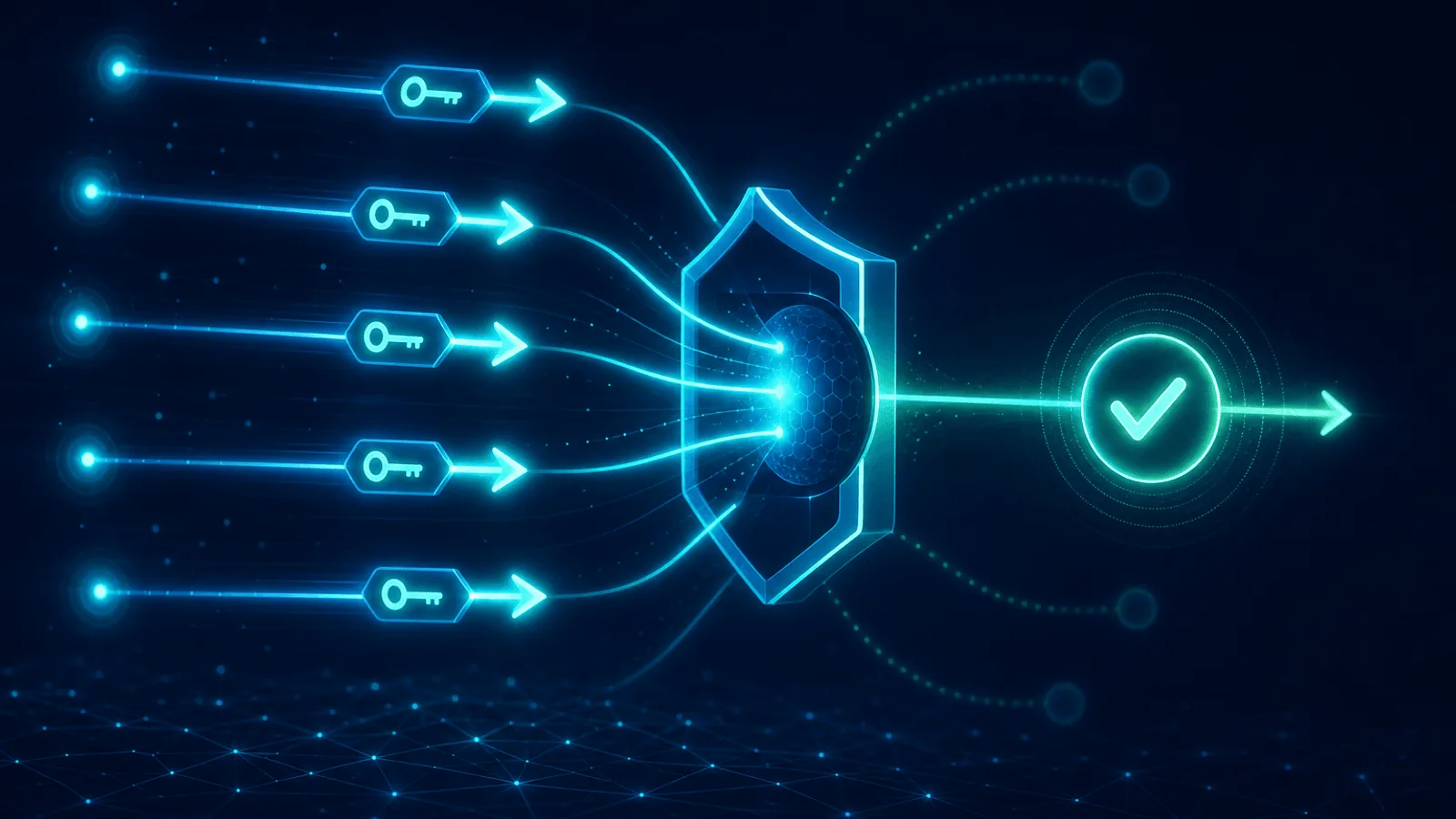
Learn how idempotency keys prevent duplicate side effects in REST APIs and webhooks. Includes safe retry design, deduplication, concurrency, and code.
3 monitors, 10-minute checks, instant email and Slack alerts — no credit card required.
Start Free Monitoring