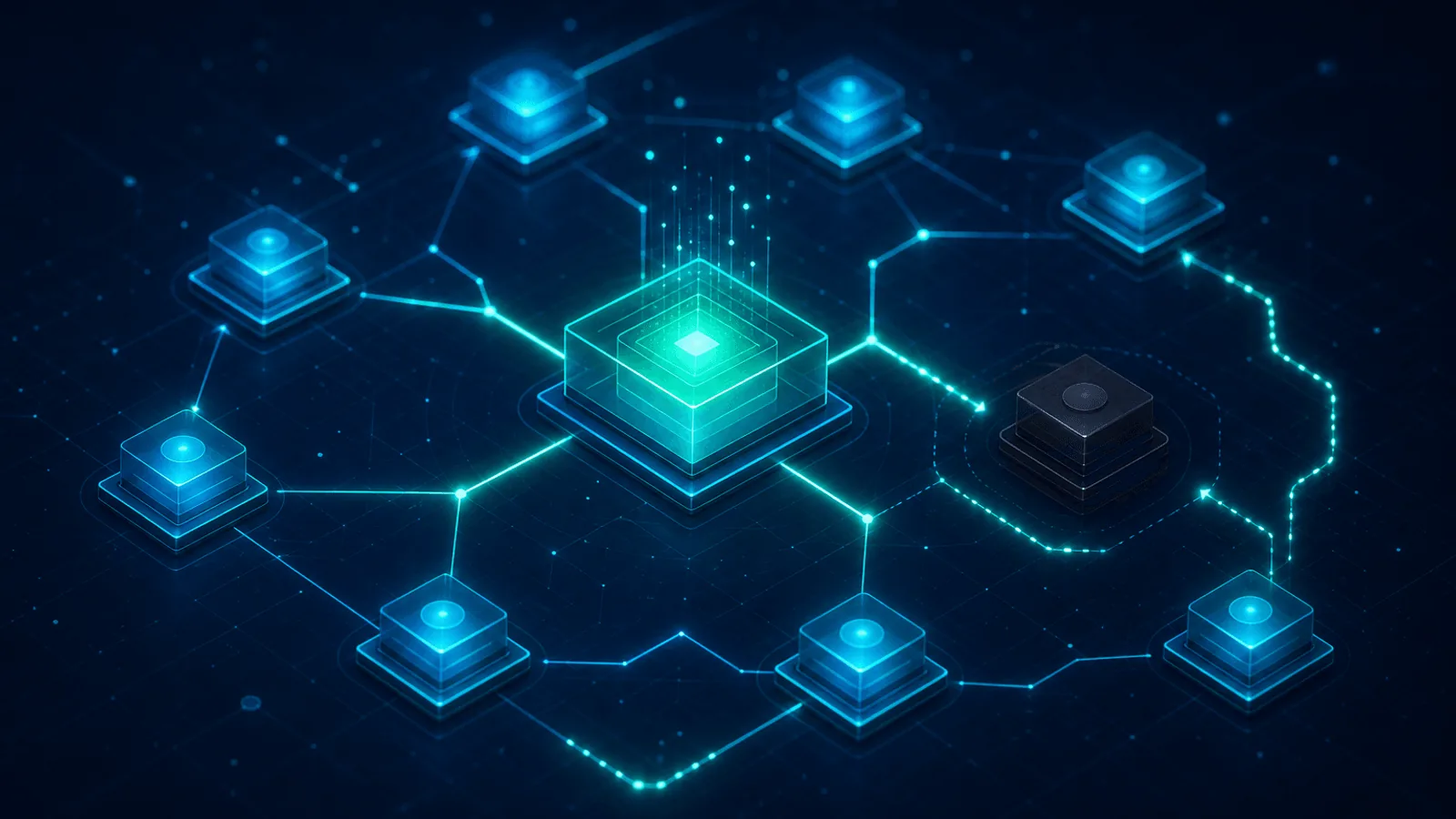
Graceful Degradation: Designing Systems That Fail Well
Design graceful degradation with fallbacks, deadlines, circuit breakers, load shedding, kill switches, and explicit monitoring for degraded states.
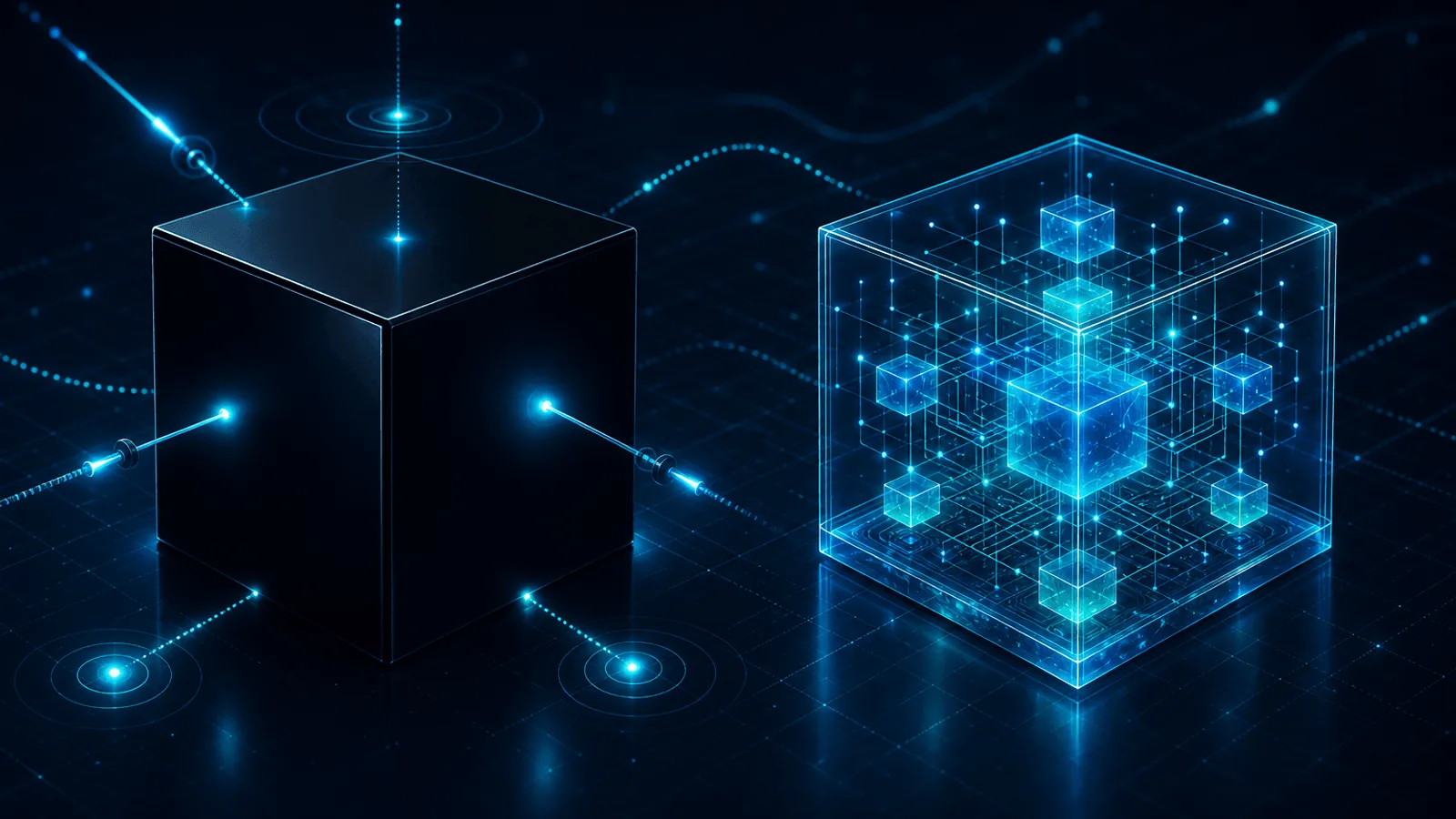
Black-Box vs White-Box Monitoring: Key Differences
Compare outside-in black-box checks with internal white-box telemetry, understand their blind spots, and combine both for faster detection and diagnosis.

Chaos Engineering: How to Run Safe Failure Experiments
Plan a safe chaos experiment with a steady-state hypothesis, blast radius, abort conditions, monitoring probes, rollback, and a reusable experiment record.
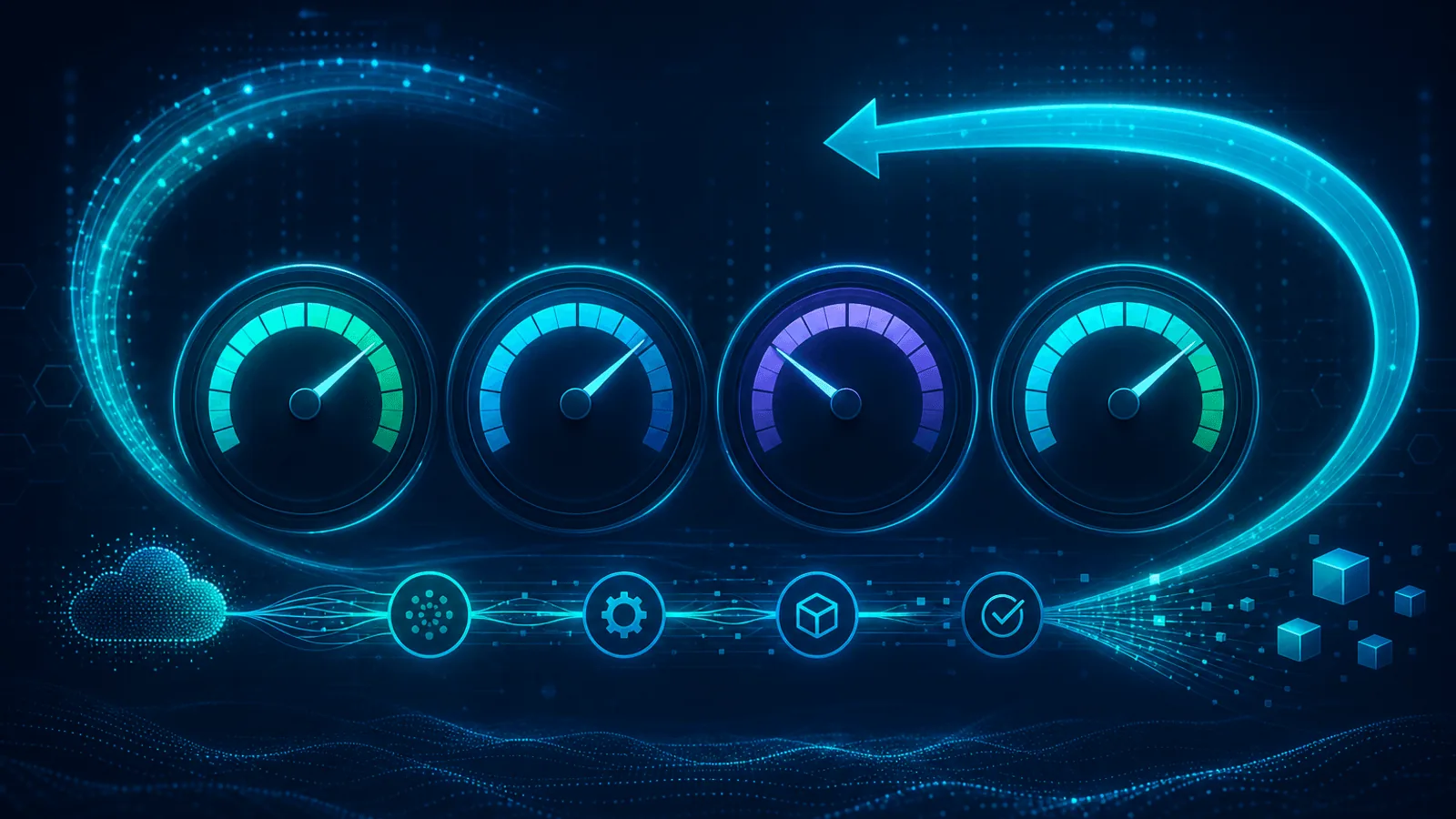
DORA Metrics Explained: The 5 Software Delivery Metrics
Learn DORA's five current software delivery metrics, their exact definitions, formulas, trade-offs, and a practical way to collect them without gaming results.
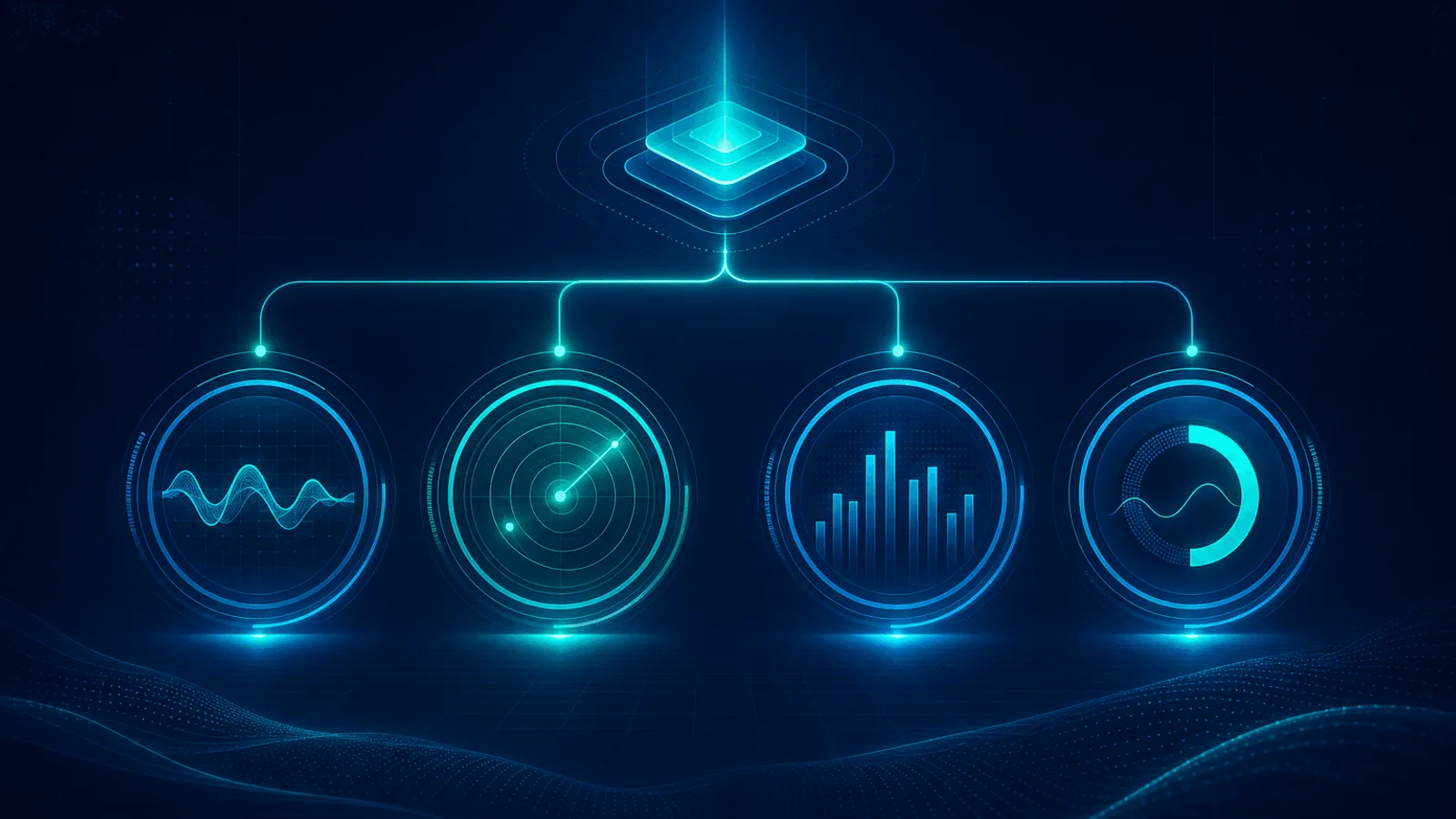
Four Golden Signals: Latency, Traffic, Errors, Saturation
Apply latency, traffic, errors and saturation to service monitoring, choose useful measurements, and alert on user impact instead of dashboard noise.

Incident Severity Levels: SEV1, SEV2, and SEV3 Explained
Define SEV1, SEV2, and SEV3 incident severity by customer impact, scope, workaround, and data risk, with a practical five-level response matrix.
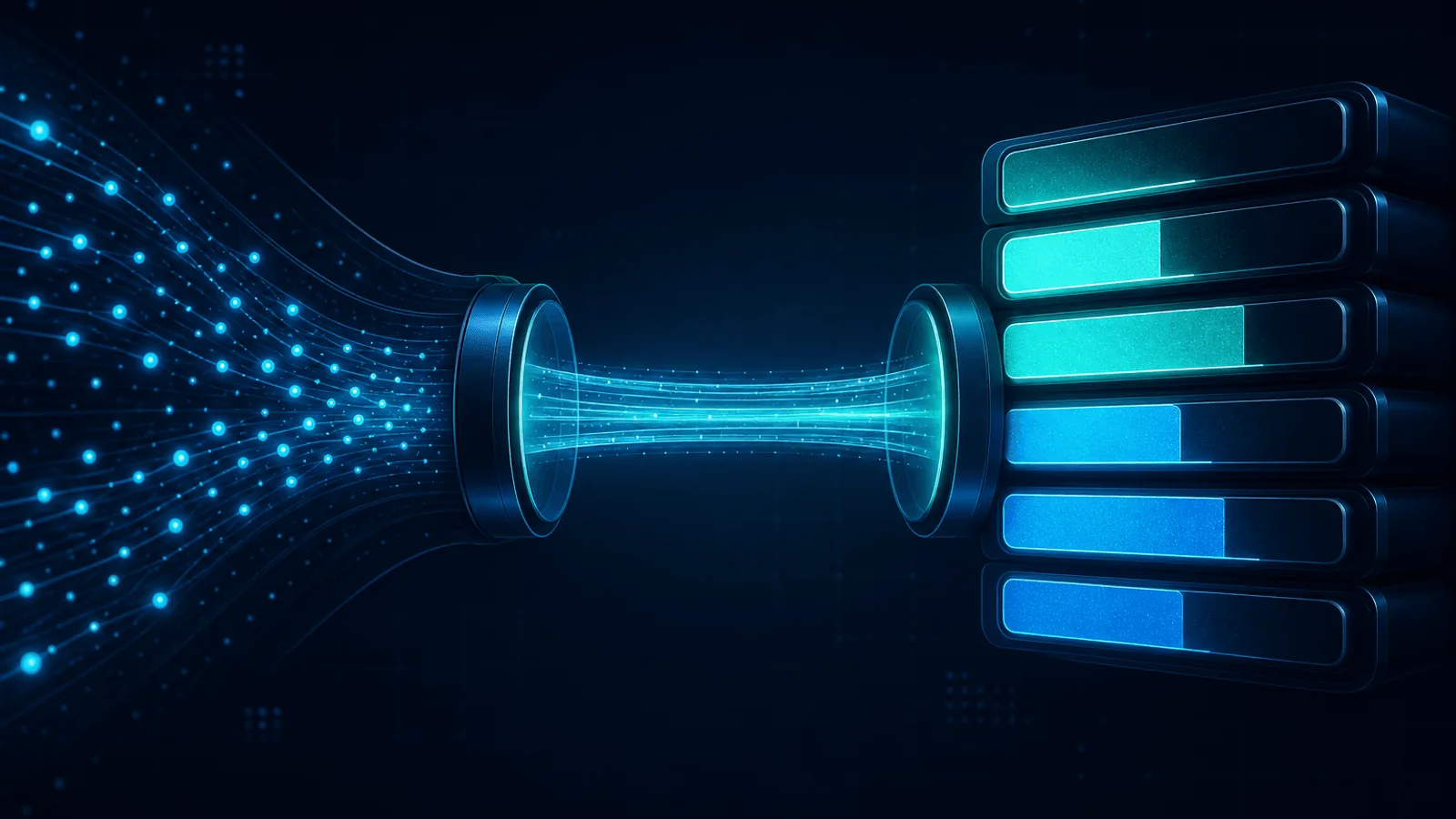
RED vs USE Method: Metrics, Differences, Examples
Use RED for service requests and USE for resources, understand each framework’s metrics and blind spots, and connect them during incident diagnosis.
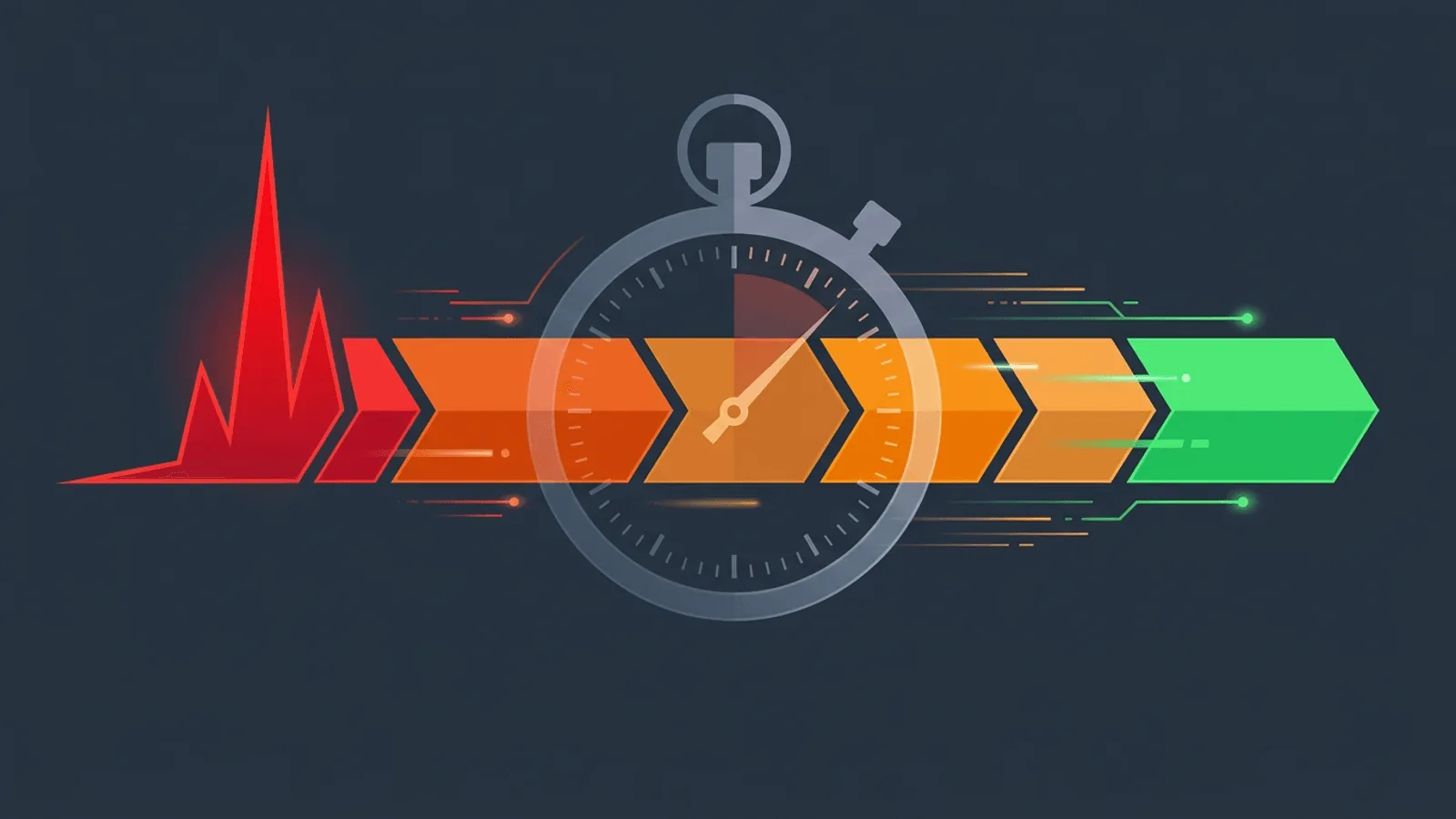
How to Reduce MTTR: A Five-Phase Recovery Plan
Reduce MTTR by measuring detection, acknowledgment, diagnosis, mitigation, and validation separately, then fixing the slowest phase with concrete controls.
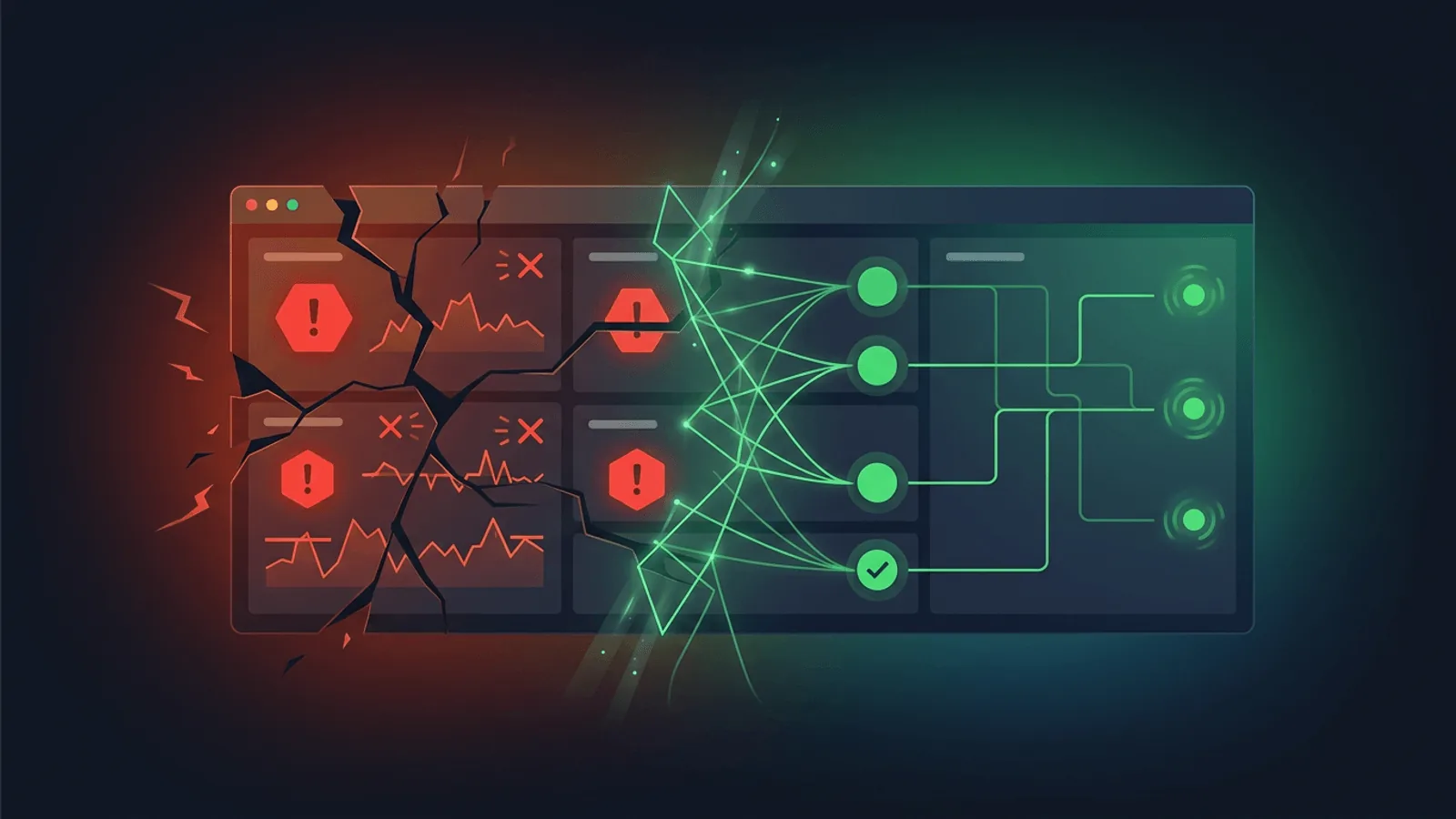
Post-Incident Monitoring: Recovery Validation Checklist
Validate recovery after an outage with symptom checks, critical journeys, dependencies, queues, data integrity, regional tests, baselines, and exit criteria.

Incident Runbook Template: Write Procedures That Work
Create an incident runbook with triggers, impact checks, safe diagnostics, mitigation, rollback, escalation, validation, ownership, and test history.
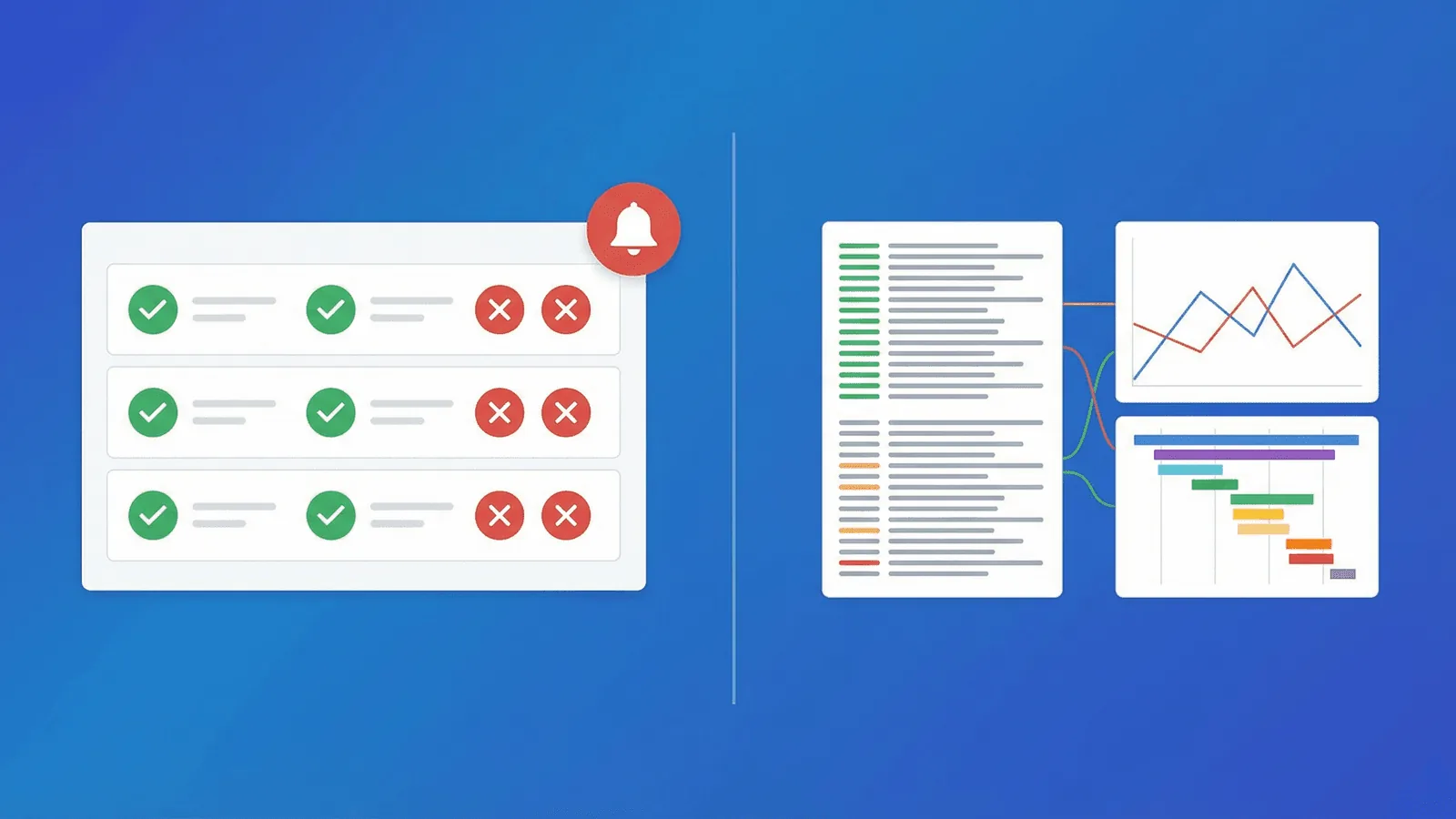
Observability vs Monitoring: Differences and Examples
Monitoring detects defined conditions; observability supports investigation with telemetry. Learn their overlap, differences, and a practical adoption path.
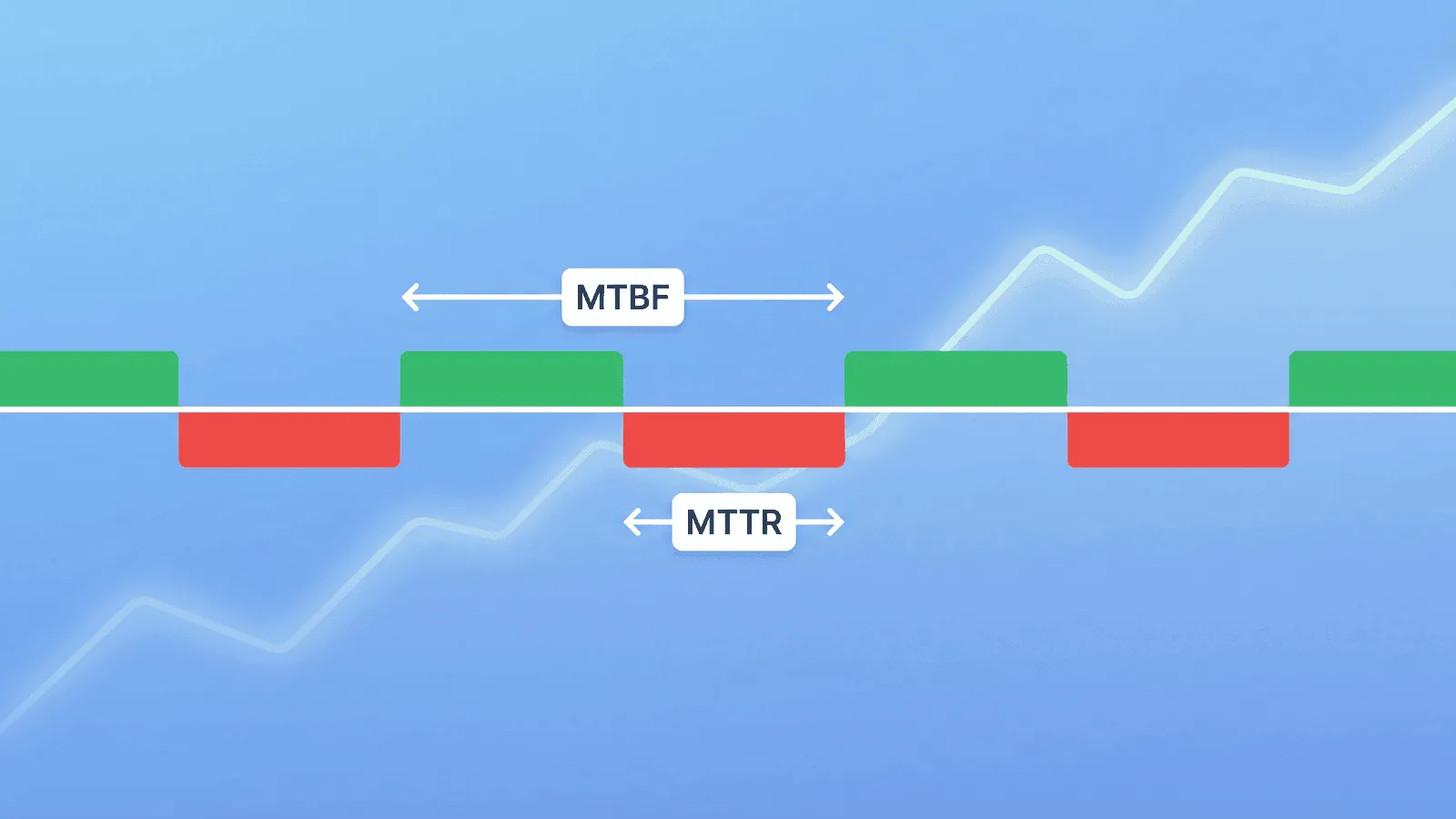
MTTR, MTBF, and MTTF: Definitions and Formulas
Compare MTTR, MTBF, and MTTF with precise time boundaries, formulas, worked examples, repairable versus non-repairable uses, and reporting pitfalls.