
Incident Severity Levels: SEV1, SEV2, and SEV3 Explained
Define SEV1, SEV2, and SEV3 incident severity by customer impact, scope, workaround, and data risk, with a practical five-level response matrix.

How to Reduce MTTR: A Five-Phase Recovery Plan
Reduce MTTR by measuring detection, acknowledgment, diagnosis, mitigation, and validation separately, then fixing the slowest phase with concrete controls.
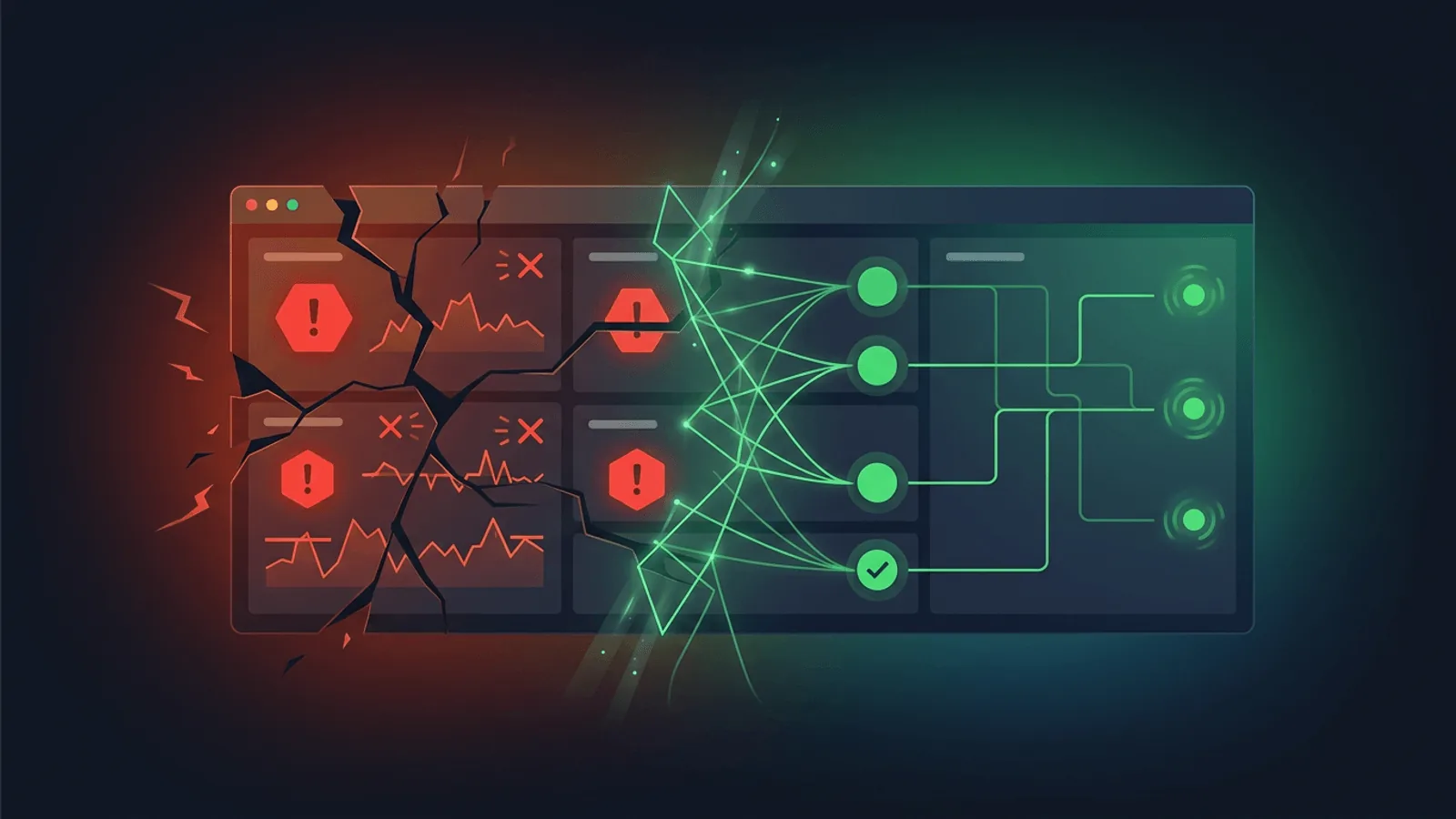
Post-Incident Monitoring: Recovery Validation Checklist
Validate recovery after an outage with symptom checks, critical journeys, dependencies, queues, data integrity, regional tests, baselines, and exit criteria.

Incident Runbook Template: Write Procedures That Work
Create an incident runbook with triggers, impact checks, safe diagnostics, mitigation, rollback, escalation, validation, ownership, and test history.

Feature Flag Monitoring: Measure Impact Before 100% Rollout
Monitor feature-flag impact by exposure cohort, errors, latency, and business KPIs with staged rollout gates, stop conditions, rollback ownership, and cleanup.
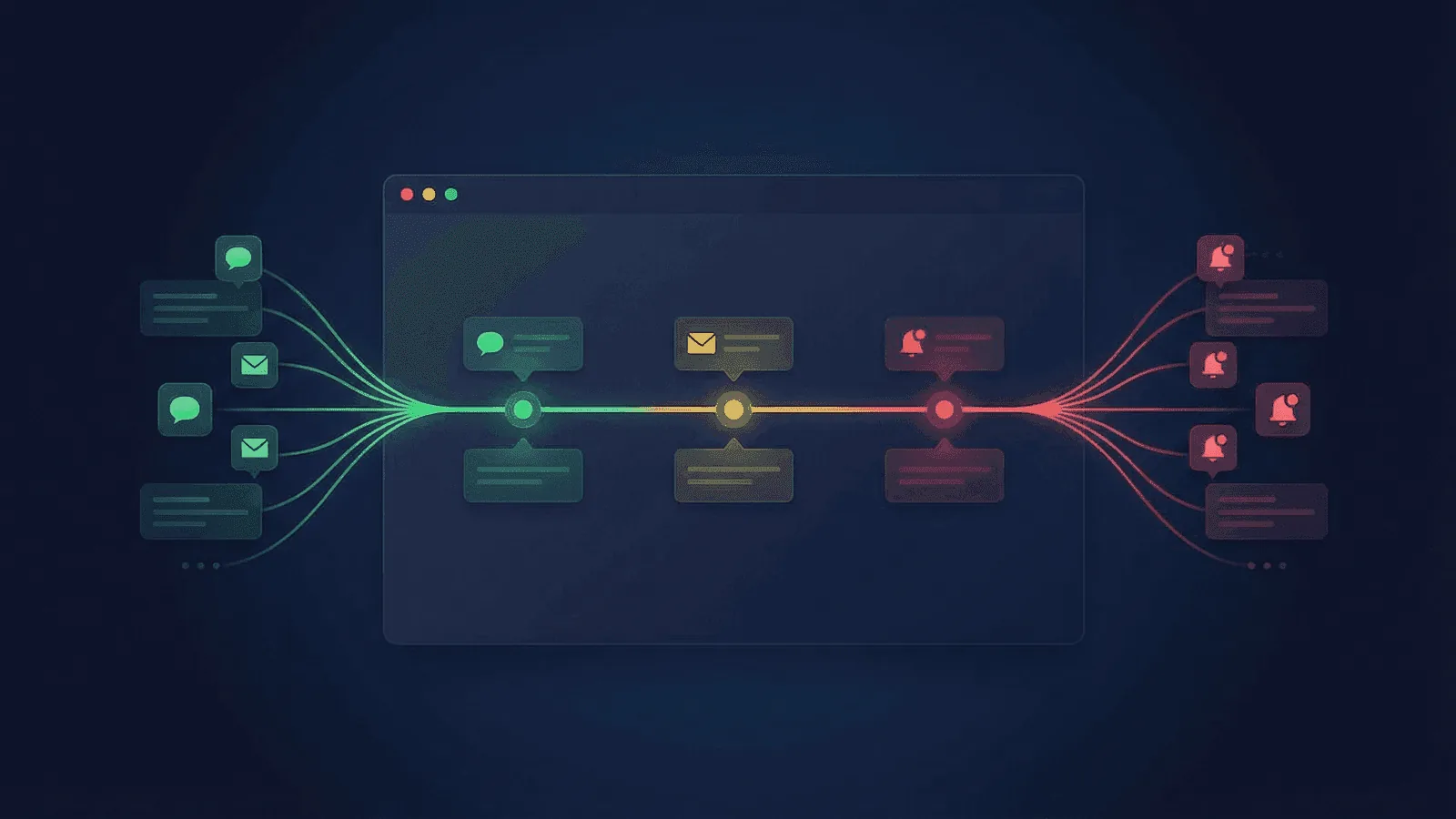
Incident Communication: Status Update Templates for Outages
Write investigating, identified, monitoring, and resolved incident updates with clear impact, timestamps, ownership, next-update times, and examples.
Incident Escalation Policy: Steps, Timeouts, and Ownership
Build an incident escalation policy with severity-based triggers, primary and backup ownership, acknowledgment timeouts, decision authority, and regular tests.
On-Call Schedule: Build a Fair, Covered Rotation
Set up an on-call rotation with coverage rules, primary and backup layers, handoffs, overrides, follow-the-sun shifts, escalation, and fairness metrics.

Scheduled Maintenance Windows: Plan, Suppress, and Verify
Run scheduled maintenance with scoped alert suppression, customer notices, rollback ownership, live monitoring, overrun rules, recovery checks, and a checklist.
On-Call Without Burnout: A Sustainable Response System
Build sustainable on-call with explicit coverage, actionable pages, fair rotations, escalation, handoffs, recovery time, load metrics, and review loops.
Alert Fatigue: Build Actionable Alerts Responders Trust
Reduce alert fatigue by measuring page actionability, removing duplicate and stale alerts, routing by ownership, tuning thresholds, and testing escalation.